
Last updated November 2, 2026
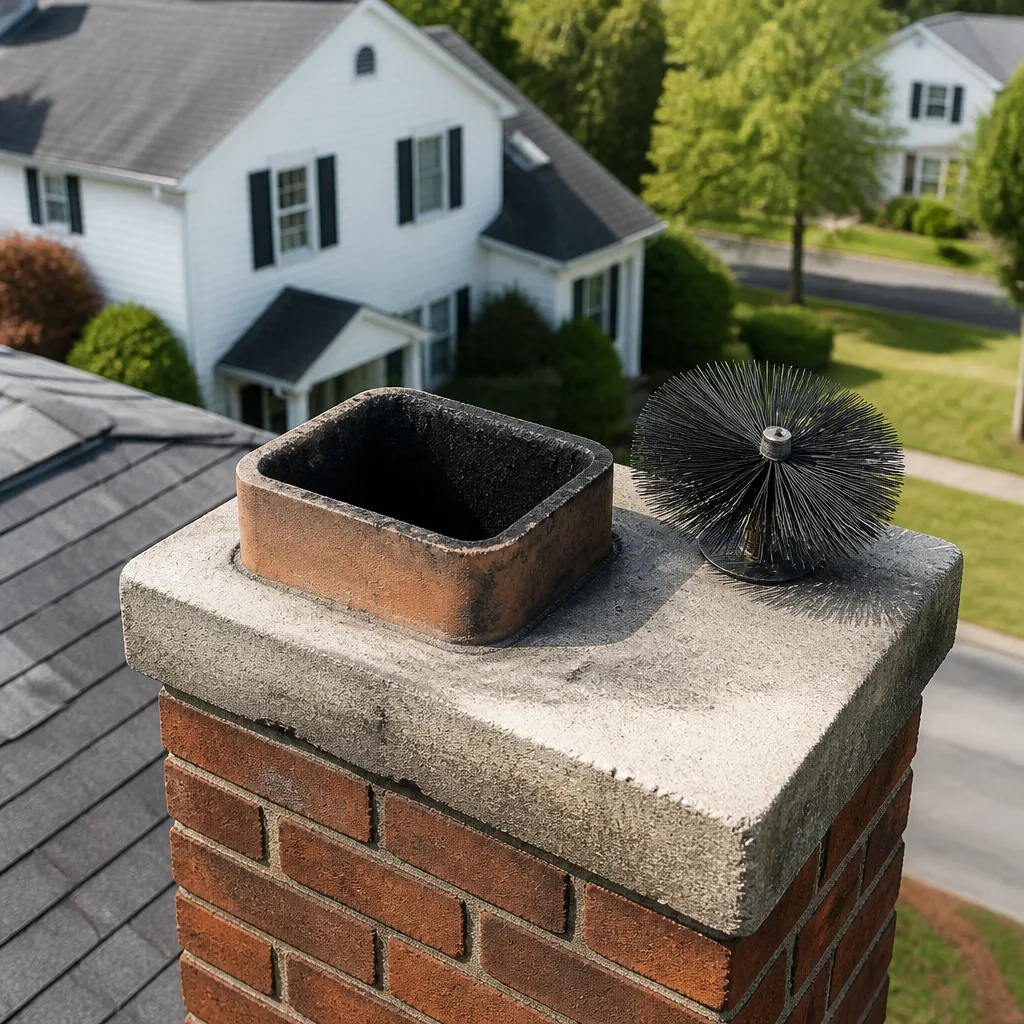 Sweep & inspection
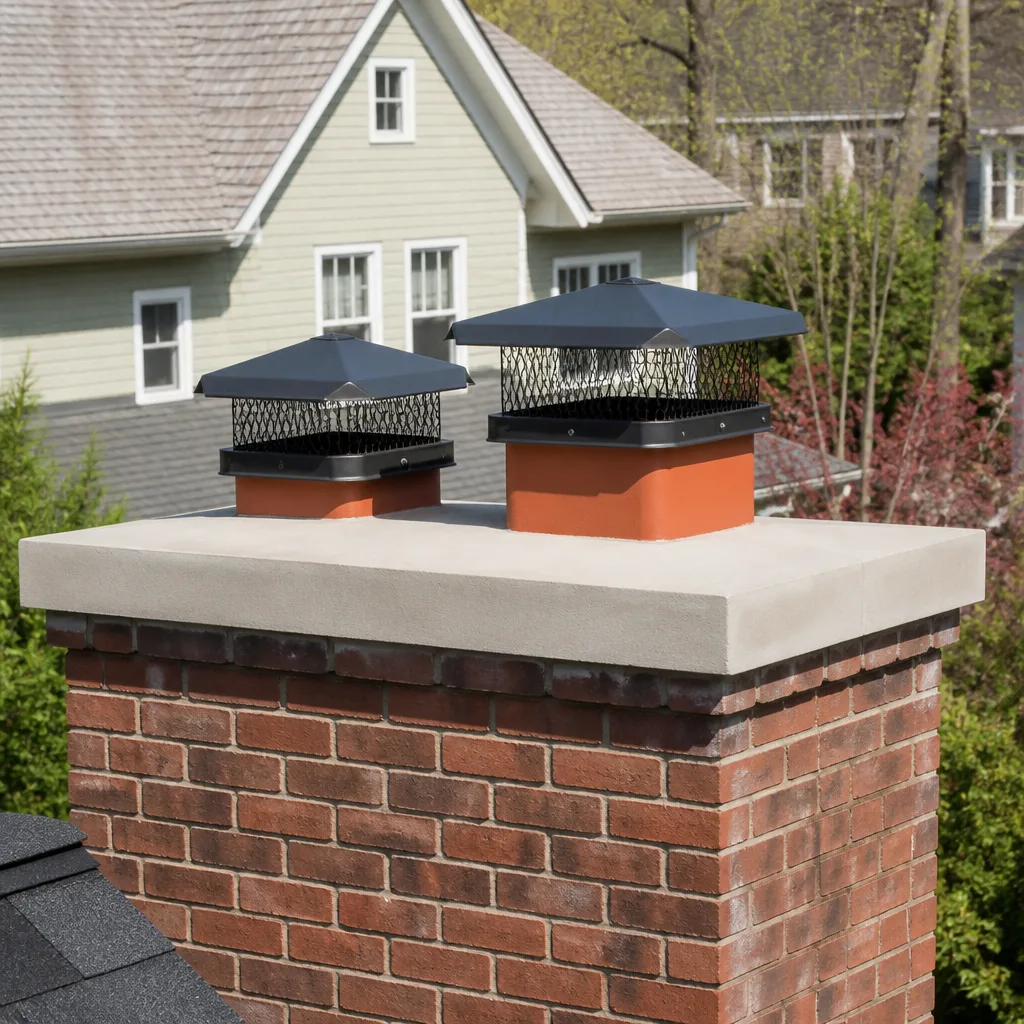 Caps & crowns
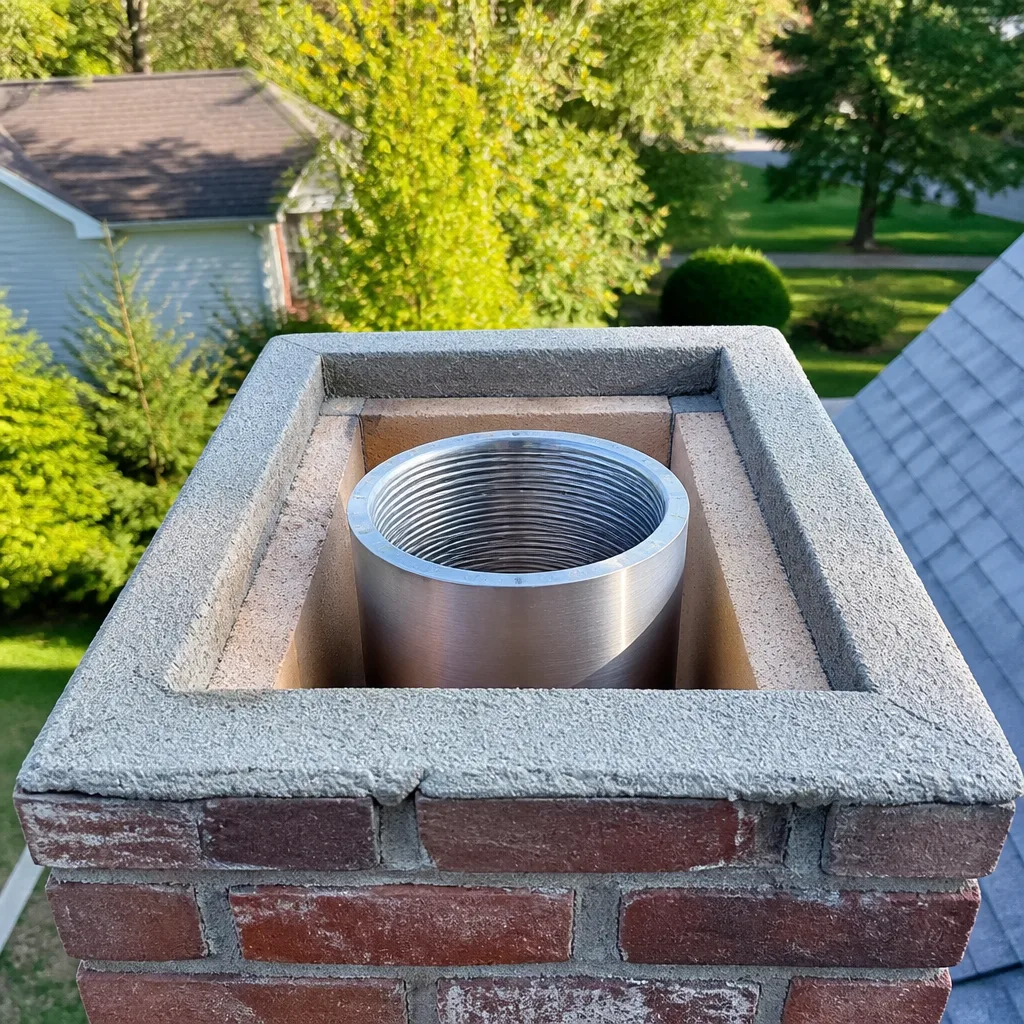 Flue relining
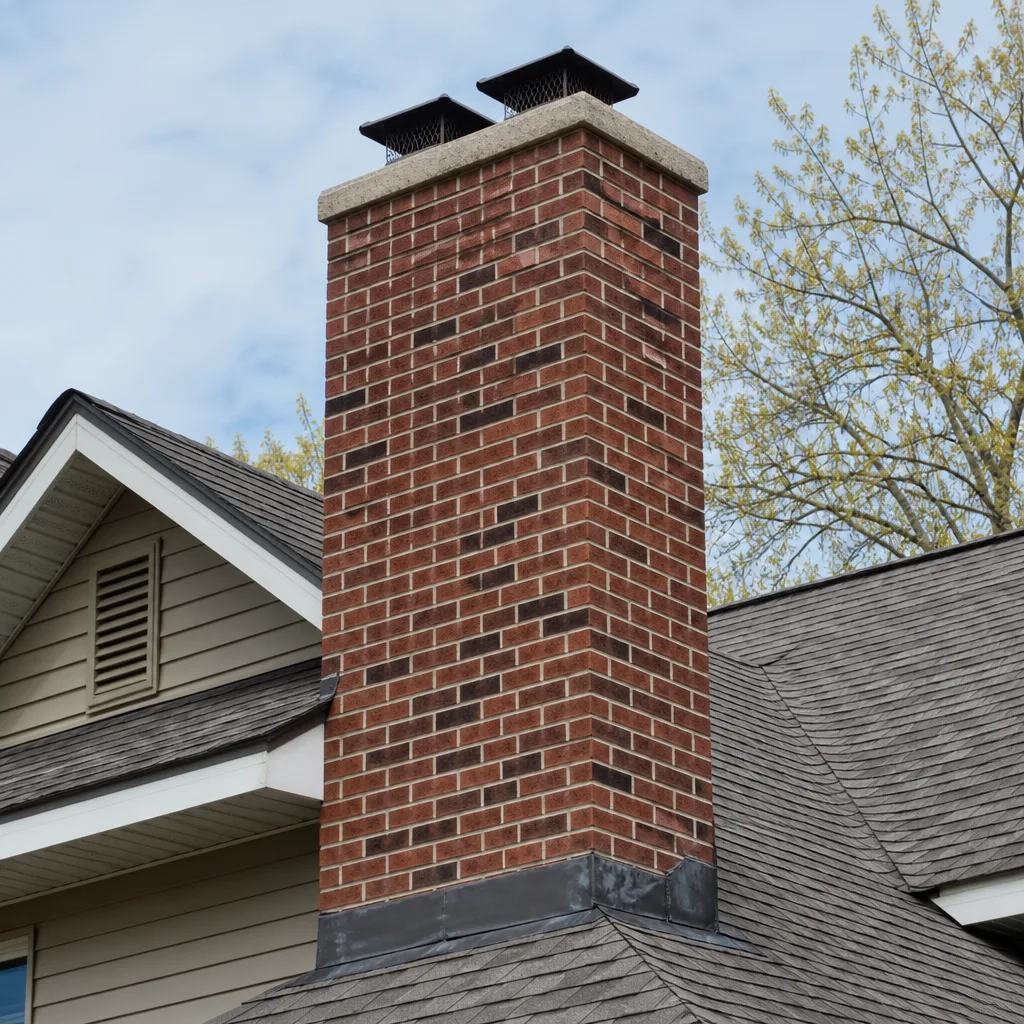 Masonry repair
 Gas fireplace service
Level 1 sweep and inspection to the NFPA 211 annual standard - flue, crown, cap, and flashing checked and photographed
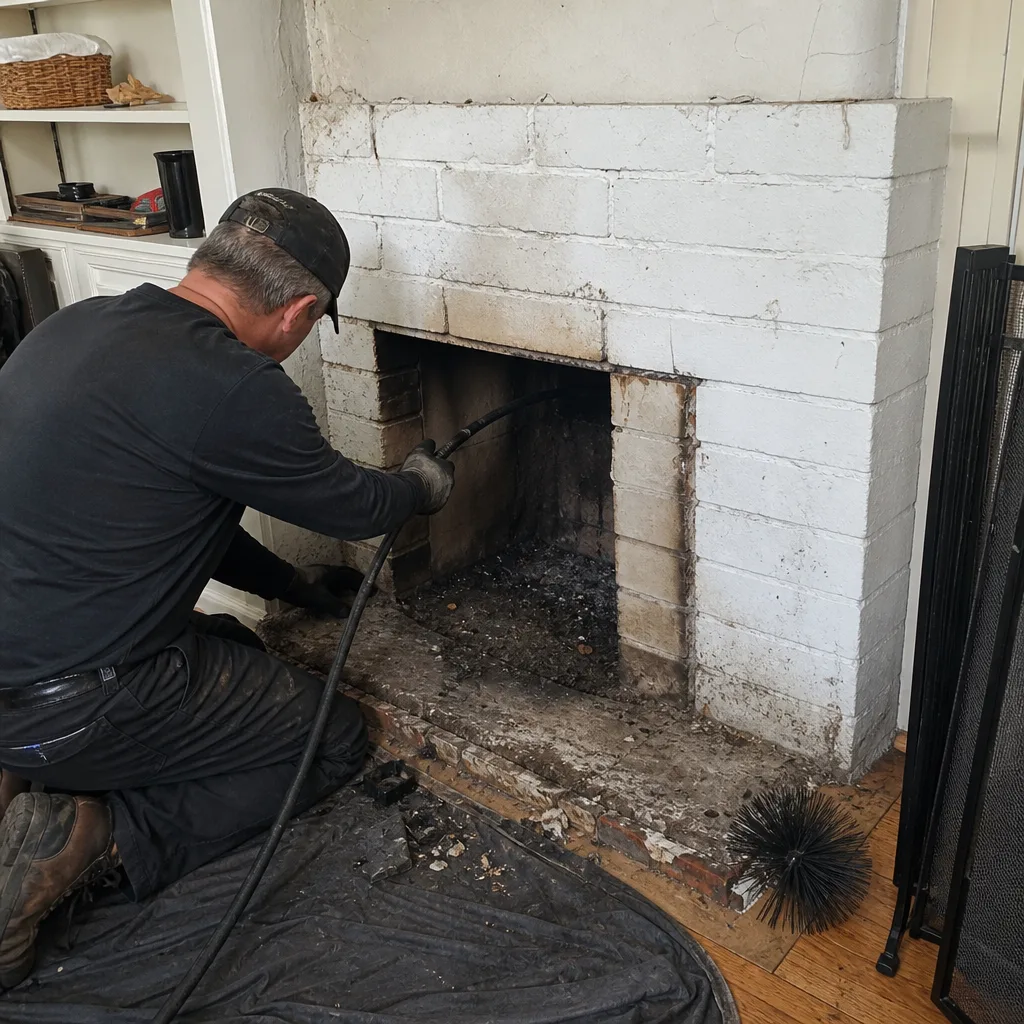
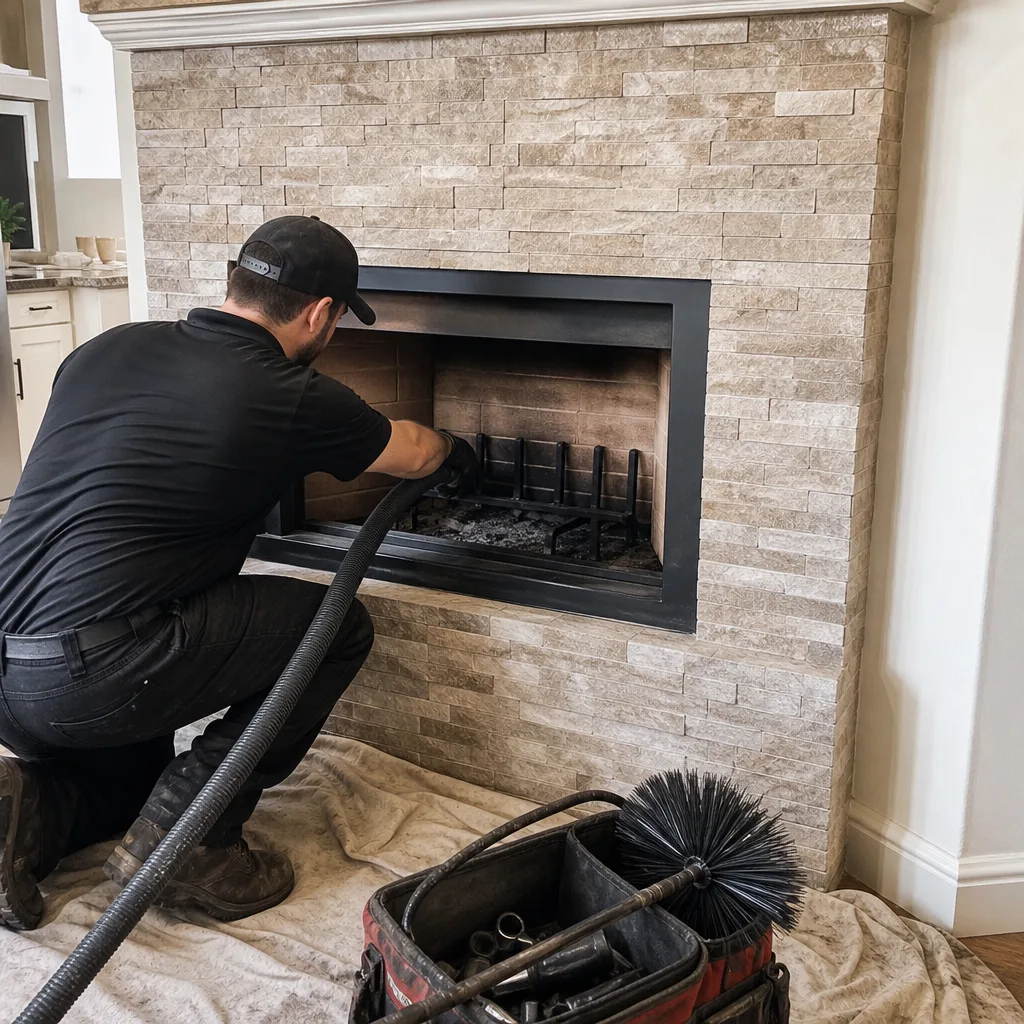
Chimney sweep logs do not sweep chimneys. They loosen some creosote - which then falls where a brush and vacuum still have to collect it.
Chimney Cleaning Emergency Preparedness Guide for Folsom Homes
Folsom homeowners tend to think of chimney fires as something that happens to other people, in cabins, with neglected wood stoves and years of creosote buildup. The reality is different. According to the National Fire Protection Association, chimney fires account for over 25,000 residential fires annually in the United States, and a large share of those occur in homes that were swept within the previous two years. What catches people off guard in Folsom is how quickly a routine cold night with the fireplace going becomes something else entirely when Red Flag wind conditions arrive. This guide walks through what a chimney emergency actually looks like from inside the house, the Folsom-specific preparation steps we recommend before fire season peaks, and the sequence of actions that keeps a bad situation from becoming a structural loss. For Chimney Cleaning Warning Signs: A Folsom Homeowner’s Reference Guide, see our companion resource.
Styles & brands we work with
- Sweep & inspection
- Caps & crowns
- Flue relining
- Masonry repair
- Gas fireplace service
Quick Answer
Chimney fire preparedness in Folsom means three things: knowing the unmistakable signs of a chimney fire while it is happening, having an evacuation-ready shutdown routine for your fireplace during Red Flag and PG&E shutoff periods, and understanding why a Level 2 camera inspection is a non-negotiable step before using your fireplace again after any fire event. A working smoke alarm and a closed damper, combined with a recent professional sweep, reduce your risk dramatically, and a written record of your last inspection directly affects how smoothly an insurance claim proceeds.
Table of Contents
- How to Recognize a Chimney Fire While It Is Happening
- Why Folsom’s Fire Season Changes the Preparedness Math
- Pre-Season Chimney Cleaning and Inspection Checklist
- Evacuation-Ready Fireplace Shutdown: The Two-Minute Routine
- After a Chimney Fire: The NFPA 211 Inspection Requirement
- Carbon Monoxide Risks During Winter Power Outages
- Emergency Contact Sequencing: Chimney Specialist vs. Insurance
- Common Mistakes to Avoid
- When to Call a Professional
- Frequently Asked Questions
- The Bottom Line
How to Recognize a Chimney Fire While It Is Happening
The first few seconds of a chimney fire often determine how much damage the home sustains. You will hear it before you see anything. A free-burning chimney fire sounds like a freight train or a low-flying jet trapped inside the flue, sometimes described by homeowners as a loud roaring or rumbling that does not match the fire in the firebox. We have had Folsom customers tell us the sound came first, and it was loud enough to hear from an adjacent room over a television. That noise is the draft pulling air into the flue at abnormal velocity, feeding the fire and carrying burning creosote up the stack.
Visually, the firebox may look ordinary at first. Then you may notice flames appearing at the top of the chimney, visible from outside as a column of fire or dense black smoke. Inside the house, the damper area may glow, and the stovepipe or chimney connector on a wood stove may radiate heat you can feel from several feet away. A strong, sudden draft change is another marker; the pull up the chimney becomes noticeably aggressive, and smoke may shift direction unexpectedly.
If You Suspect a Chimney Fire, Do This in Order
- Get everyone out of the house. Do not stop to gather belongings. Evacuation in Folsom during fire-prone weather is a familiar routine for many residents, and a chimney fire warrants the same immediate response.
- Call 911 from outside. Even if the fire appears contained to the chimney, interior wall voids and attic framing can be involved without visible flame.
- Close the damper and fireplace doors only if you can do so without delaying evacuation. Cutting the air supply slows the fire, but not at the cost of your safety.
- Shut off any mechanical draft devices if your fireplace or insert uses forced air or a blower.
- Do not use water. Water hitting a hot flue liner or masonry can crack the structure instantly, turning a contained flue fire into a house fire. This is the single most dangerous mistake we see well-meaning homeowners make.
After responders leave and the system cools, the fireplace and chimney are not safe to use until a professional evaluates the flue. We will return to that requirement in detail, but the immediate takeaway is this: a chimney fire is a structural event, not just a scary few minutes, and the damage it leaves behind is often invisible from the outside of the home.
Why Folsom’s Fire Season Changes the Preparedness Math
Folsom occupies a particular position in California’s fire-risk geography. The city sits along the American River corridor, close enough to wildland vegetation that fire season here is not a news story from somewhere else; it is an annual operating condition. Homes in the Folsom area, particularly in neighborhoods like Briggs Ranch, Lexington Hills, and the older grid around Sutter Street, sit within what CalFire designates as moderate to high fire hazard severity zones in several pockets. That designation matters because it changes how residents should think about chimney maintenance. In lower-risk regions, a chimney sweep is a seasonal chore. In Folsom, a neglected chimney is a potential ignition point during exactly the window when regional firefighting resources are already committed.
A structure fire during a Red Flag Warning does not function like a structure fire on a calm Tuesday in February. When winds sustain above 25 mph and relative humidity drops into the single digits, aerial water drops become unreliable, ground crews struggle to contain ember spread, and evacuation corridors are already stressed by the broader event. A chimney fire that starts at the roofline and carries burning creosote onto a shake roof or into gutters full of dry leaf litter becomes an entirely different emergency under those conditions. This is why our guidance in Folsom is firmer than in many service areas: if you burn wood during fire season at all, you burn with a recently inspected flue and a professional-grade spark arrestor in place.
Folsom also falls within PG&E’s Public Safety Power Shutoff footprint. When a shutoff is announced for high wind and low humidity, the chimney becomes a more central part of the home’s function. Families who rarely use their fireplace during normal times suddenly rely on it for heat and cooking light. Wood stoves and inserts get pushed into service without the gradual warm-up they usually receive. A flue that was marginal in October becomes a hazard in November, right when the household depends on it most.
Preparedness here means alignment. You want your chimney swept before the shutoff window, not during it. Our Chimney Sweep in Folsom service page explains how we approach seasonal inspections for homeowners who burn wood during fire season, and the short version is this: the best time to call is before October, not after the first Red Flag Warning of the year.
Pre-Season Chimney Cleaning and Inspection Checklist
The most valuable emergency preparedness tool in Folsom is a chimney that does not support a fire in the first place. Creosote is the fuel that turns a normal fireplace fire into a flue fire. It builds in layers, and those layers differ by composition. Soft, flaky creosote brushes away easily. Hard, glazed creosote, the kind that forms from repeated low-temperature burns in unlined or poorly insulated flues, is a dense fuel layer that burns at extremely high temperatures and is nearly impossible to remove without professional rotary tools and chemical treatments designed for exactly that purpose.
Here is the Chimney Sweep Maintenance Checklist for Folsom Homeowners we walk through before burn season:
- Schedule a professional sweep. NFPA 211 recommends annual inspection and cleaning when there is any measurable creosote accumulation. Homes that burn more than three cords per season or burn softer woods like pine may need a mid-season check as well.
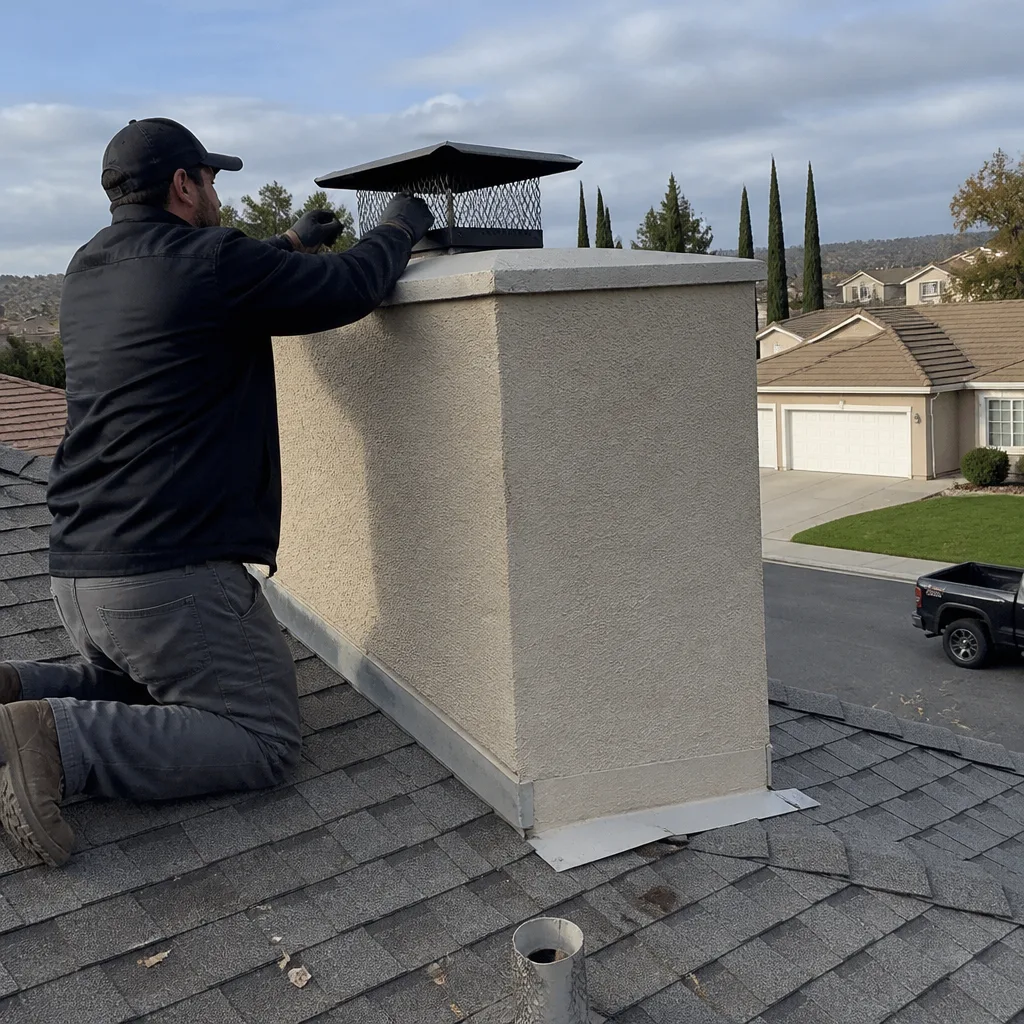
- Verify your spark arrestor. A properly fitted screen at the chimney cap stops burning embers from leaving the flue and landing on roofs, gutters, or dry ground. In Folsom’s climate, this is more than a code requirement; it is the difference between a contained flue fire and an ember-driven brush fire.
- Inspect the cap and flashing. A missing or degraded chimney cap allows rain and debris into the flue, and damaged flashing is how water enters the roof deck around the chimney. Both are inexpensive to address in September and expensive to ignore by January.
- Check your damper operation. A damper that sticks open or does not seal means cold air in and conditioned air out, and worse, it can function as an air supply to a smoldering fire in the firebox.
- Review your wood supply. Seasoned hardwood with moisture content below 20 percent burns hotter and cleaner, producing less creosote. In Folsom, where summer heat can actually over-dry stored wood in enclosed spaces, aim for covered outdoor storage with airflow.
- Photograph everything. Insurance documentation starts before there is a problem. A dated photo of a clean flue interior from a camera inspection is evidence you took reasonable care.
Most Folsom homeowners can handle items three through five themselves. Items one and two are best left to a professional with the right brushes, the right ladders, and the right understanding of how a Folsom roofline behaves. The Chimney Sweep Folsom home page lays out what a full-service visit includes, from the sweep itself through a camera inspection of the flue liner and smoke shelf.
Evacuation-Ready Fireplace Shutdown: The Two-Minute Routine
Evacuation orders do not give much notice. In Folsom’s most fire-exposed neighborhoods, the gap between a text alert and a door knock can be under half an hour. Your fireplace or wood stove needs to be in a state where it cannot continue feeding itself if you leave the house quickly. A properly prepared fireplace will not ignite the roof deck after you are gone; a neglected one might.
The shutdown routine is straightforward, and it is worth practicing once before fire season so it becomes automatic:
- Stop adding fuel. The moment you hear fire news in your area or receive any alert, the firebox gets no more wood.
- Close the damper fully. This cuts the primary air supply. A fire that cannot get air cannot sustain itself, and the smolder that remains will choke out.
- Close glass doors if your fireplace or insert has them. This further reduces oxygen and keeps embers from popping out onto flooring.
- Move combustible items away from the hearth. Firewood stacked against the fireplace, baskets, hearth rugs, and children’s toys all belong at least three feet away at all times, but especially when you will not be present to watch the fire.
- Set aside a grab-and-go document folder. Include a copy of your most recent chimney inspection report, insurance declaration page, and photos of your roof and chimney from the ground. This documentation order matters more than most people realize, and we will explain why in the insurance section below.
This routine takes about two minutes. It costs nothing. It is the difference between evacuating a house with a dead fire and evacuating a house where a smolder is still working its way through the last few pieces of wood against a closed damper. A hot firebox can retain enough heat to ignite nearby materials for hours after the visible flame is gone.
After a Chimney Fire: The NFPA 211 Inspection Requirement
When a chimney fire has occurred, the fireplace is not safe to use again until the entire system has been evaluated. This is not advice; it is a code-level requirement. NFPA 211, the standard on chimneys and fireplaces, mandates a Level 2 inspection whenever there has been a chimney fire, a change in the venting system, or a change in an adjacent structure. The inspection is not a visual glance. A Level 2 inspection includes a video camera scan of the full flue interior, from the firebox to the cap. That camera reveals what the naked eye cannot: hairline cracks in clay tile liners, separated mortar joints, warped stainless steel, and areas where creosote residue has fused to the liner walls.
Here is the hard truth we share with homeowners after a chimney fire: the fire itself is often survivable, but the damage it leaves behind is not. The extreme heat of a flue fire can crack terra cotta liners in a pattern that looks like spiderwebbing. Once a liner is cracked, the chimney no longer contains heat or combustion gases properly. The next fire, even a small one, can pass heat directly into wall framing. The house did not burn down today, but the chimney is now a vector for the next one. This is not a repair you can defer. This is not a case where the fireplace works fine for another year and you deal with it later.
We use camera inspection as standard practice on every Chimney Repair in Folsom visit because it gives us, and you, visual proof of condition. Where a liner is compromised, repair options range from targeted parging to a full reline. In Folsom, where many homes were built during the same construction era and share similar clay tile flue characteristics, the damage patterns after a chimney fire are depressingly consistent. We know what to look for in this housing stock.
For homes with significant liner cracking, we often recommend a full stainless reline using DuraFlex liner systems, which are code-compliant for retrofit applications and built for the temperatures wood burning actually produces. For less severe deterioration, HeatShield provides a resurfacing path that restores the liner surface without full removal. The point is that a Level 2 inspection gives you the answer, and the answer is either a system that is safe to use or a system that needs specific work. There is no third option.
Carbon Monoxide Risks During Winter Power Outages
Power outage in Folsom during the winter months creates a particular set of conditions we have learned to take seriously. When PG&E cuts power for wind or grid maintenance, the furnace stops. The house cools. Families close windows and doors to hold heat in. The fireplace, which was a decorative feature, becomes a primary heat source for the first time in months. All of these things happen on the same day. That combination, a working fireplace in a tightly sealed home, is exactly where carbon monoxide risk concentrates.
Carbon monoxide is produced by incomplete combustion. A properly drafted fireplace sends it up the flue. A fireplace fighting a closed damper, a partially blocked flue, or a house under negative pressure from kitchen and bathroom exhaust fans sends some of it into the living space instead. The gas is odorless and colorless, and the early symptoms, headache, mild nausea, fatigue, read like a bad night of sleep. By the time someone realizes what is happening, the family may already be impaired.
The fix is not complicated, but it requires acting before the outage hits:
- Install CO detectors on every level of the home, near sleeping areas, and test them monthly. Replace batteries at the same time you change smoke alarm batteries.
- During an outage, crack a window in the room where the fireplace or wood stove operates. Modern Folsom homes are built tight, and combustion appliances need replacement air.
- Run kitchen and bathroom exhaust fans minimally while the fireplace is in use. These fans pull air out of the house and can reverse the chimney draft.
- Know the symptoms. If anyone in the house has a headache, dizziness, or nausea that improves when they step outside, that is the CO pattern. Call 911 and evacuate.
There is also a longer-term prevention point here. A flue with even moderate creosote restriction drafts worse than a clean one. A flue with a bird nest or a collapsed nest from last spring drafts worse still. Folsom’s tree cover means we find an unusual amount of animal activity in uncapped chimneys. The camera inspection during your annual sweep catches these obstructions before they become a January carbon monoxide problem.
Emergency Contact Sequencing: Chimney Specialist vs. Insurance
When a chimney emergency happens, the order of phone calls affects outcomes. This is not intuitive, and most homeowners get it backwards. They call insurance first because that feels like the responsible thing. The adjuster opens a claim, sends someone out days or weeks later, and the report produced by that adjuster becomes the foundational document for the claim. If that report does not include a professional chimney inspection, the insurance company is working from partial information, and partial information tends to resolve in the insurer’s favor.
We tell Folsom homeowners a different sequence:
- Call 911 first if there is any active fire, smoke, or carbon monoxide alarm.
- Call a qualified chimney specialist second, ideally the same day or the next morning. A licensed sweep will perform a documented inspection, photograph the damage, and produce a report that describes what happened and what the repair scope looks like.
- Call your insurance provider third, with the specialist’s report in hand. You are no longer asking the insurer to investigate from scratch; you are presenting findings from a qualified professional. The claim conversation stays anchored in facts, not in an adjuster’s first impression.
- Keep every receipt and every photo. The documentation order also matters if the claim is disputed. A homeowner who can show a sweep receipt from within the last 12 months is in a far stronger claims position than one who cannot. Insurance companies routinely deny or reduce chimney fire claims when the homeowner cannot demonstrate reasonable maintenance. Your sweep record is your maintenance record.
For the structural work itself, whether that means a flue reline, a new cap, or repairs to the firebox, the Chimney Repair in Folsom page explains how we approach post-fire restorations. The short version is that we inspect first, report second, and repair third, and the report is written so it can go directly to your insurer.
Common Mistakes to Avoid
- Assuming a chimney fire that went out on its own caused no damage. Flue fires routinely crack liners without any visible evidence on the roof or in the firebox. We have found hairline fractures in Folsom chimneys months after homeowners assumed the system was fine. A Level 2 camera inspection is the only way to know.
- Adding water to a hot flue. The thermal shock cracks masonry and warps metal liners. A cracked flue is a house fire waiting to happen, and the fix is always more expensive than waiting for the system to cool and calling a sweep.
- Burning unseasoned or soft wood during fire season. Pine and fir burn fast and produce creosote quickly. In Folsom’s dry climate, that creosote cures into the dense, glazed form that requires professional removal and is a primary chimney fire fuel.
- Skipping the spark arrestor or using a hardware-store replacement. A proper screen, of the type our trade suppliers like Gelco and Copperfield manufacture, is fitted to your specific flue dimensions. The generics do not seal correctly, and a gap around the screen lets embers through.
- Running the fireplace during a heavy wind event. High winds in Folsom can overpower the chimney draft and push smoke and embers back down the flue or out through firebox seams. If the trees are bending, the fire should be out.
- Treating the chimney and the dryer vent as unrelated. Both are exhaust systems for combustion byproducts. Both carry lint or creosote that ignites under the right conditions. Homes in Folsom that burn wood and dry laundry constantly are running two parallel fire risks, and our Dryer Vent Cleaning in Folsom service exists because we would rather see both hazards addressed in one visit than discover one while investigating the other.
- Deferring inspection until after fire season starts. By the time Red Flag conditions arrive, the best sweep appointments are already booked. The homeowners who call us in October are always in better shape than the ones who call in February, and the difference is measured in scheduling stress, not just safety.
When to Call a Professional
You should call a chimney professional in Folsom before you think you need one, not after the situation has announced itself. The obvious triggers are a chimney fire, smoke in the house during normal fireplace use, or a carbon monoxide alarm. Less obvious but equally valid: you have lived in the home for more than a year and have no record of the last sweep; you see black flaky material falling into the firebox when you use the fireplace; you notice wildlife activity around the chimney cap; or your fireplace has become the primary heat source during winter outages for the first time. Any of those conditions warrants a professional look. Chimney Sweep Folsom offers free estimates in Folsom, and we work on a schedule that respects fire season; call (833) 589-9896 to book a sweep and inspection. For Chimney Cleaning Permits, Codes & Inspections in CA: What You Need to Know, see our regulatory overview.
Frequently Asked Questions
A professional chimney sweep in Folsom typically runs between $150 and $350 depending on the fireplace type, flue condition, and whether a camera inspection is included. That range covers a standard open fireplace with a single flue; wood stove inserts with liner connectors and multi-flue systems often run higher. The cost of a sweep is a rounding error compared to the cost of a chimney fire repair or an insurance claim denial. Call (833) 589-9896 for an exact quote, and know that the estimate is free.
The NFPA standard is once per year when there is measurable creosote, and for wood-burning Folsom households that means an annual sweep before burn season. Heavy users, those burning more than three cords a year or burning softer wood, may need a mid-season check as well. Homes with gas fireplaces still benefit from an annual inspection, though the creosote burden is far lower.
Yes, and the requirement comes from NFPA 211, not from a chimney company’s marketing department. A Level 2 inspection uses a video camera to examine the full flue interior, and it is mandated after any chimney fire, structural event, or system change. Skipping it means returning to use a system that may be structurally compromised, and that decision falls entirely on the homeowner if the next fire spreads.
Creosote accumulates inside the flue, and creosote is the fuel for chimney fires. The buildup narrows the draft, which makes the fireplace burn less efficiently and pushes more carbon monoxide into the living space. Within a season or two in Folsom’s dry climate, that creosote can harden into the glazed form that requires professional rotary removal, and the chimney is now a functioning fire hazard attached to your roof. The annual sweep is the cheapest intervention point; everything downstream of it is more expensive.
The short answer is no, not safely or effectively, and this is one area where our answer is firm. Chimney sweeping involves roof work at height, specialized brushes sized to your flue, and a trained understanding of what level of creosote is ordinary versus dangerous. More importantly, a homeowner with a brush kit cannot perform the camera inspection that reveals liner cracks and hidden damage. You can clean what you can see; you cannot inspect what you cannot see. That is the job.
Most homeowner policies in California include clauses about reasonable maintenance, and chimney fires are a frequent area of claim disputes. A receipt from a professional sweep, ideally with camera images of the flue interior, is the strongest documentation you can present. Homeowners who cannot show maintenance history often face reduced settlements or denied claims. We tell every Folsom customer to keep the sweep report in the same file as the insurance dec page.
The Bottom Line
Chimney cleaning emergency preparedness in Folsom is a small set of disciplined habits, not a complicated program. Keep the flue clean, keep a spark arrestor fitted, practice the two-minute shutdown routine, and keep your documentation current. Know what a chimney fire sounds like, and know that surviving one means a camera inspection before the next fire is lit. The homes we serve in Folsom share a common climate, a common fire season, and a common set of risks; the difference between households is simply whether the chimney received attention before the emergency, or after it. Attention before always costs less.
Written by the team at Chimney Sweep Folsom, serving Folsom since 2011.
See the difference
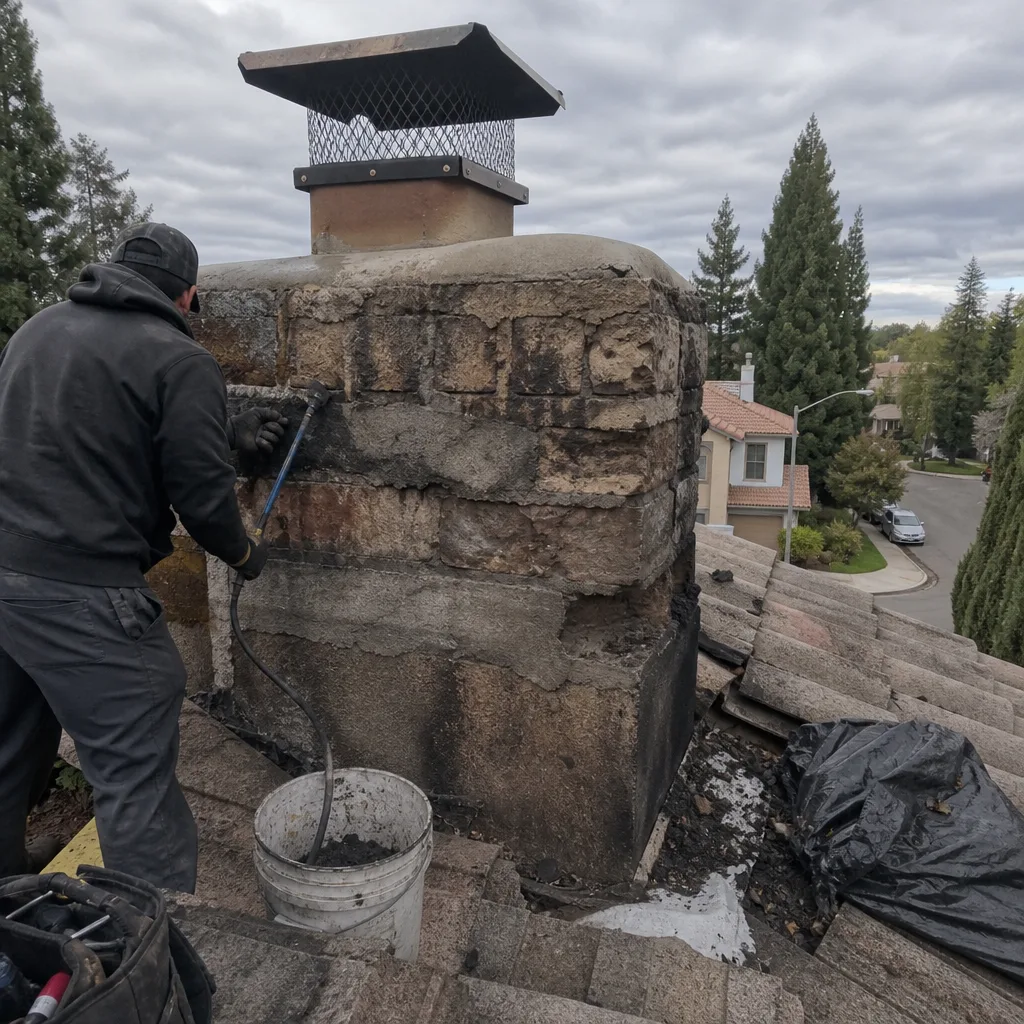 Before
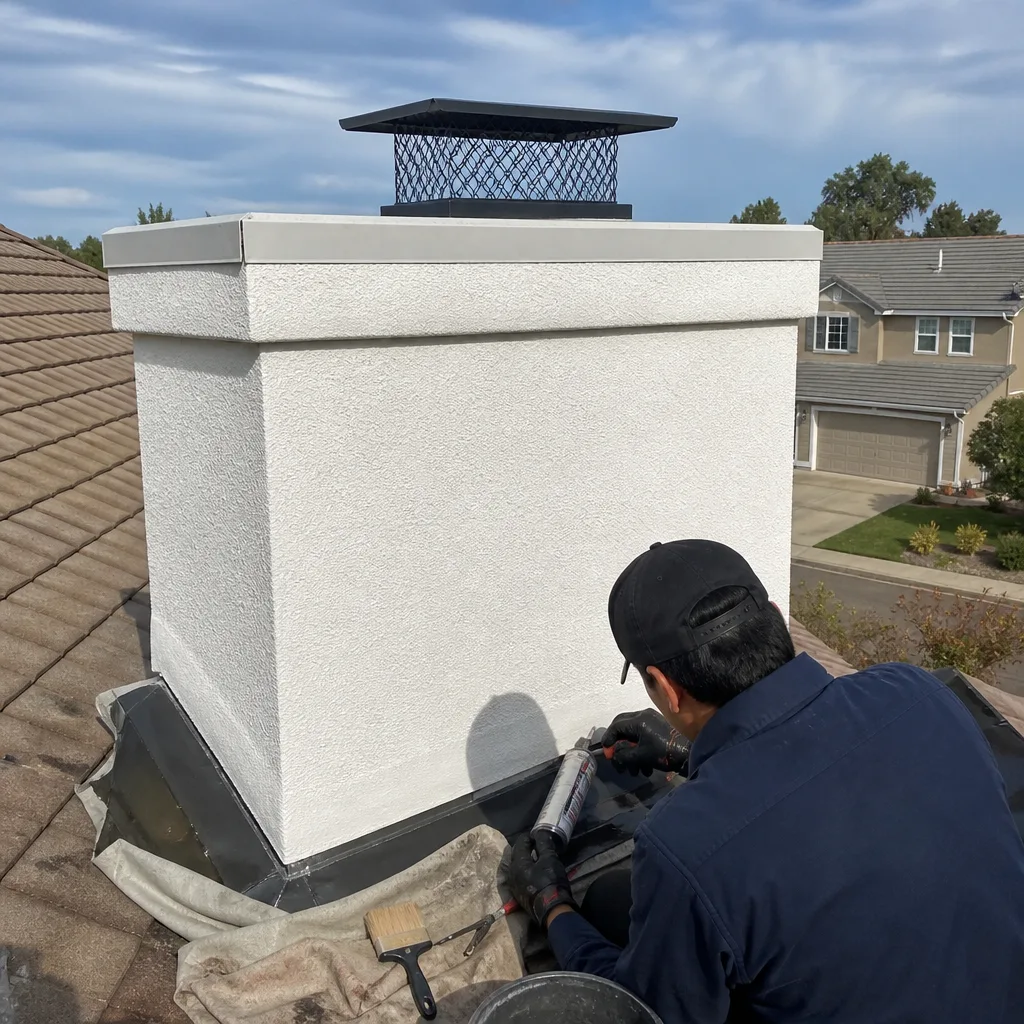 After
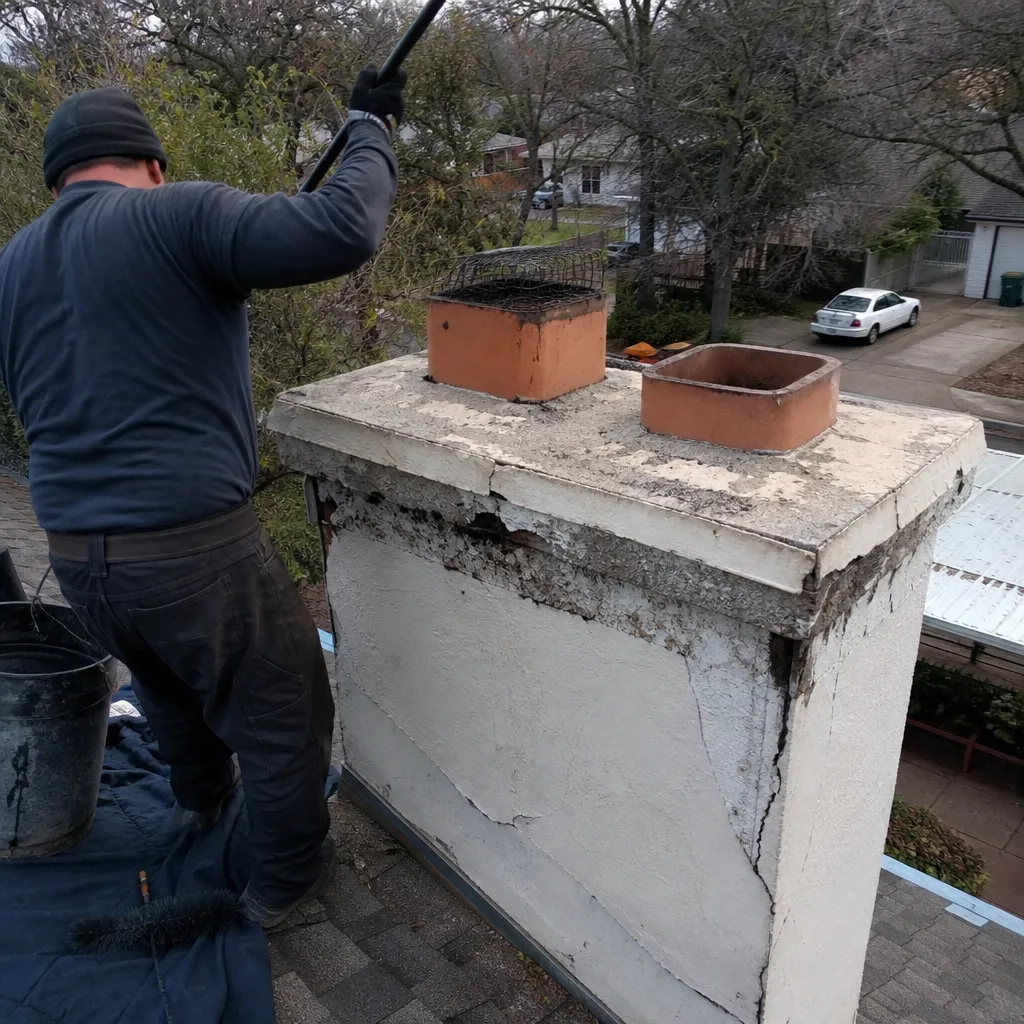 Before
 After
 Before
 After