
Last updated November 2, 2026
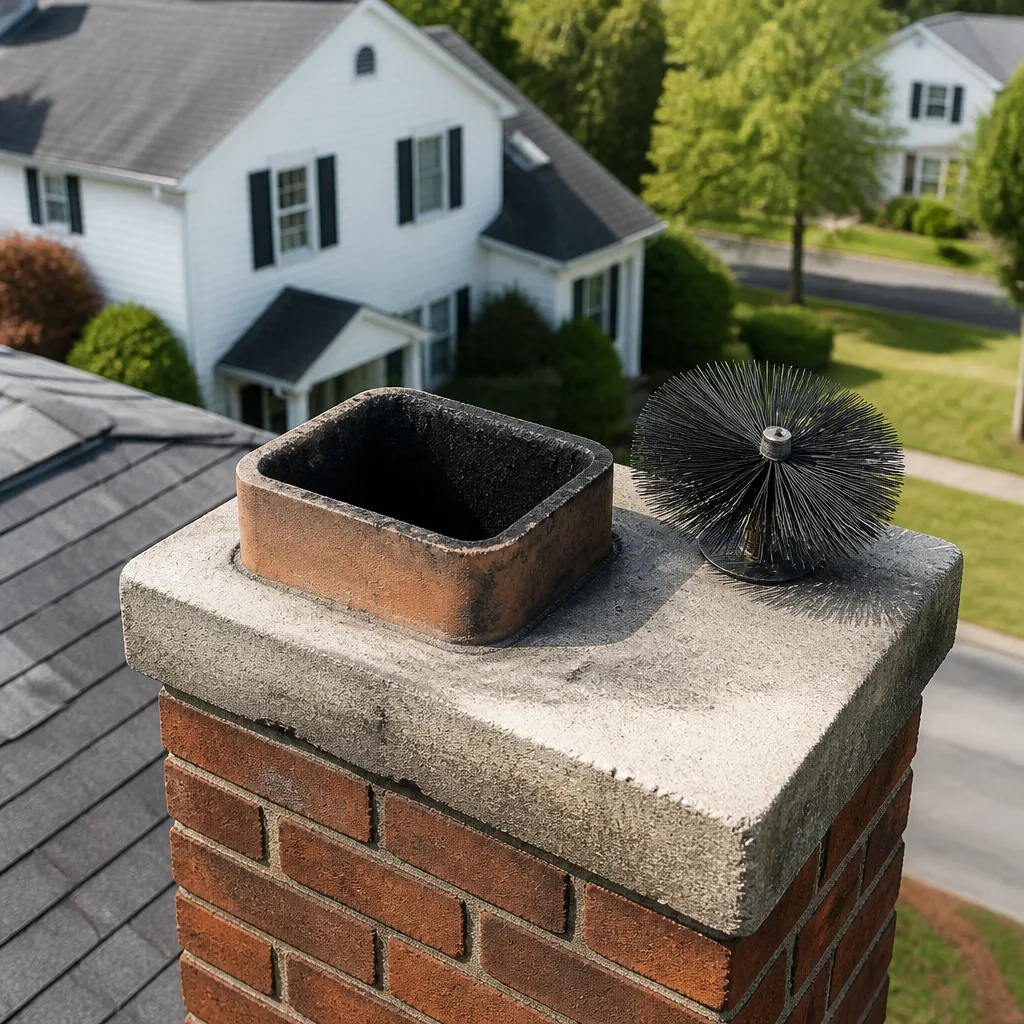 Sweep & inspection
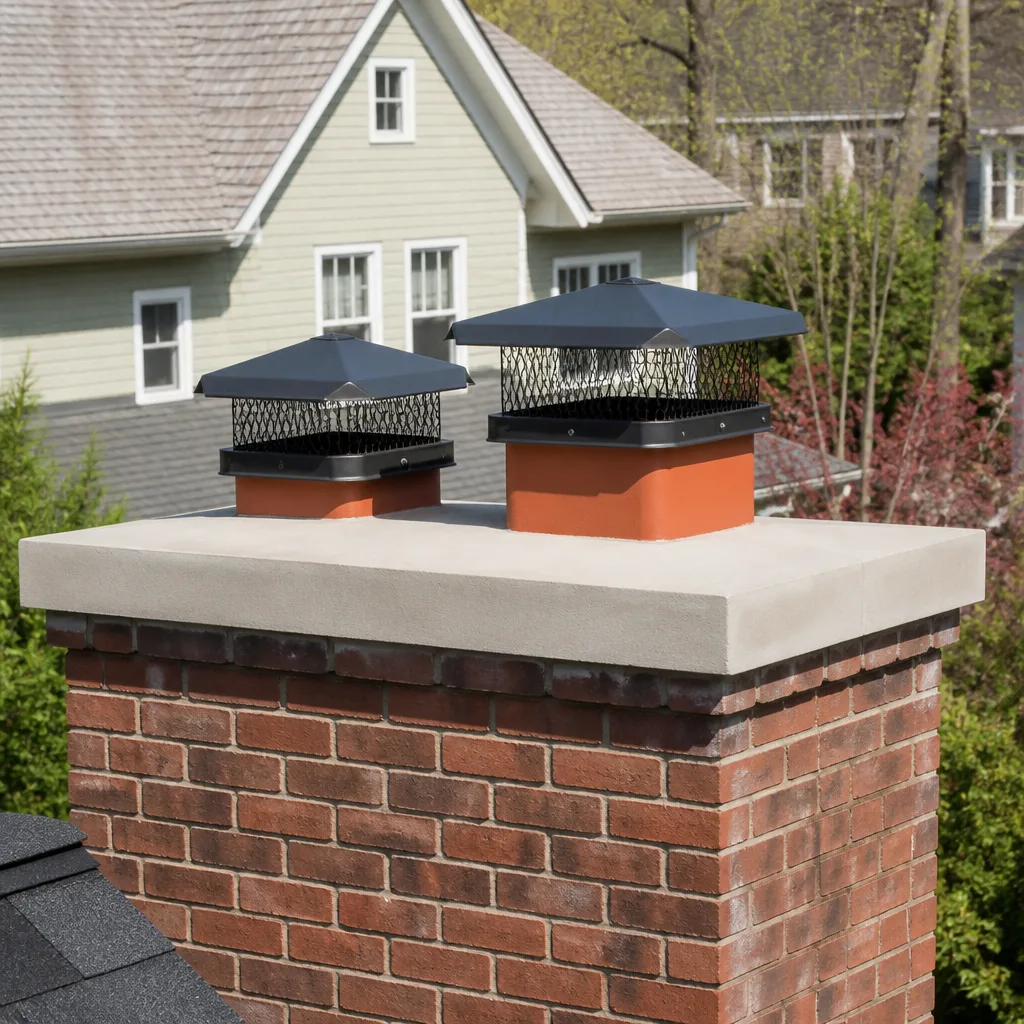 Caps & crowns
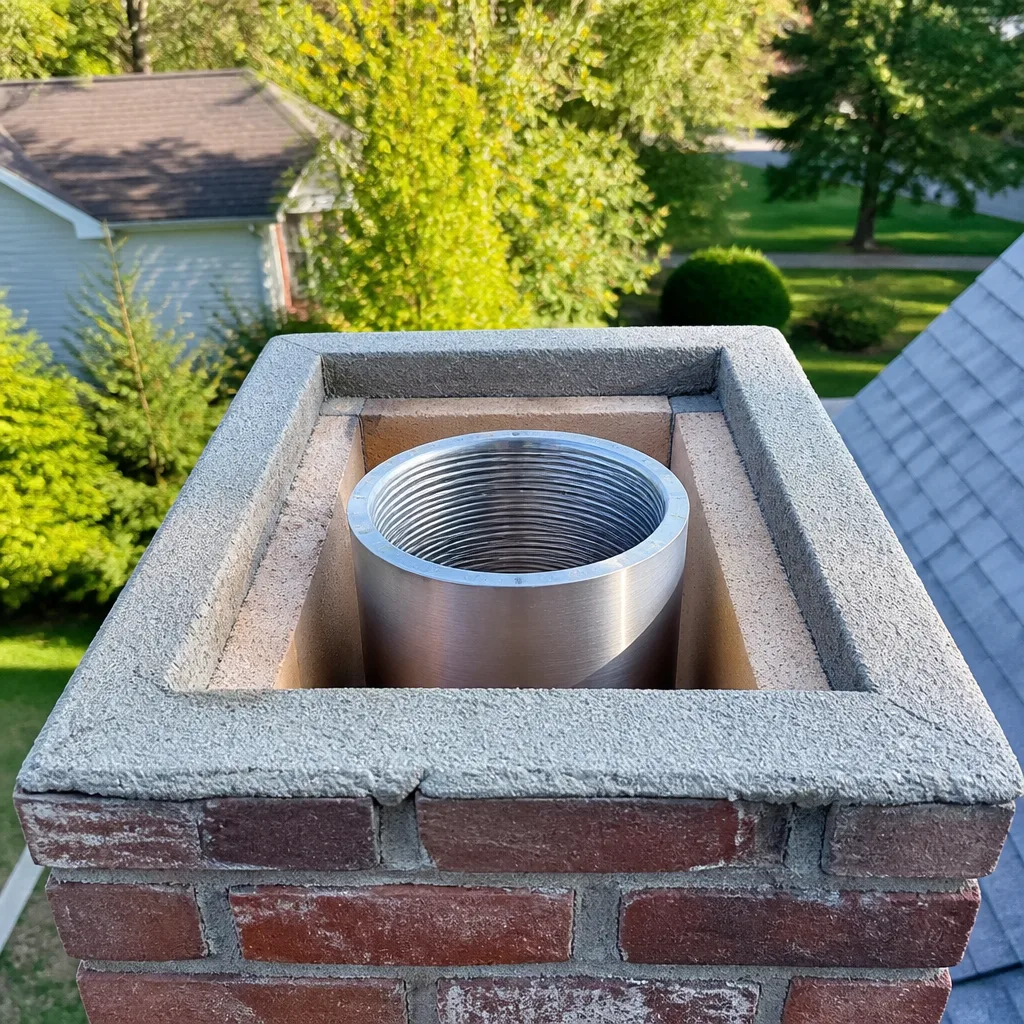 Flue relining
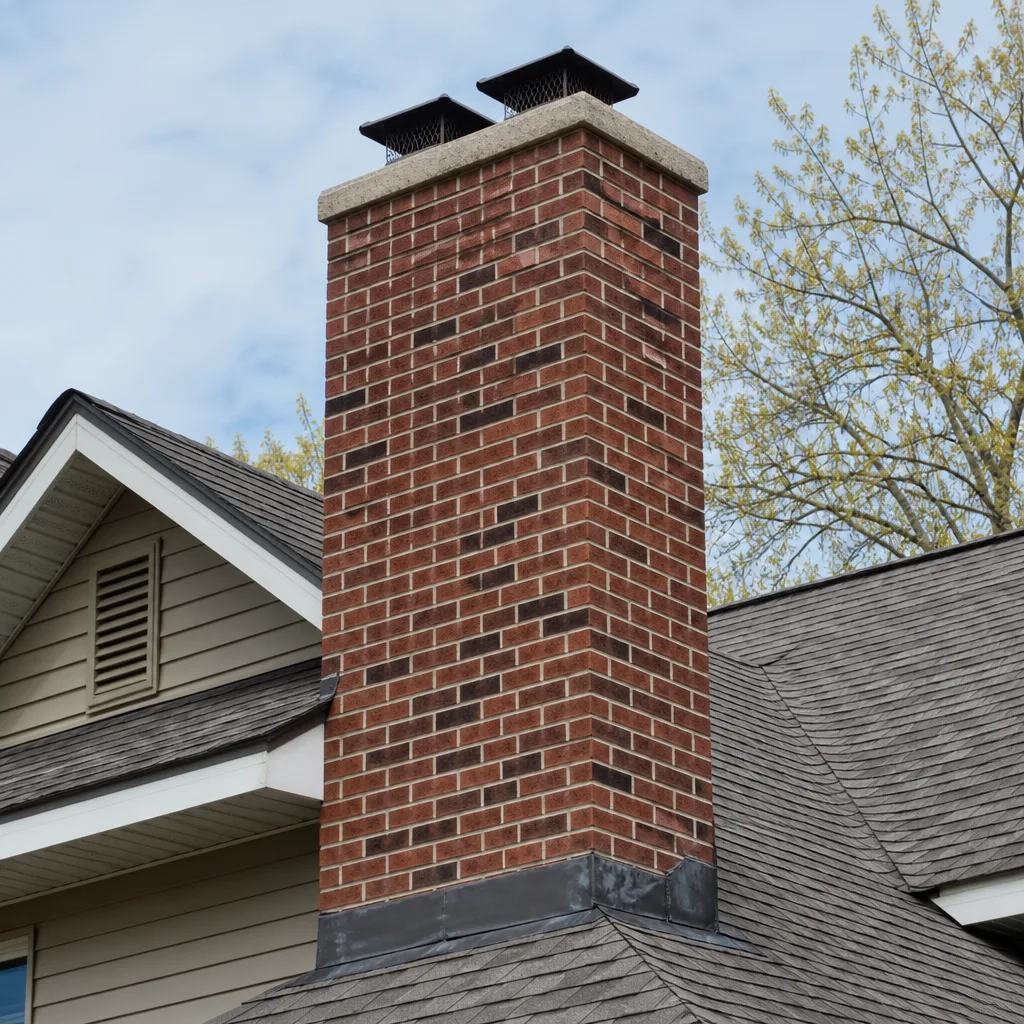 Masonry repair
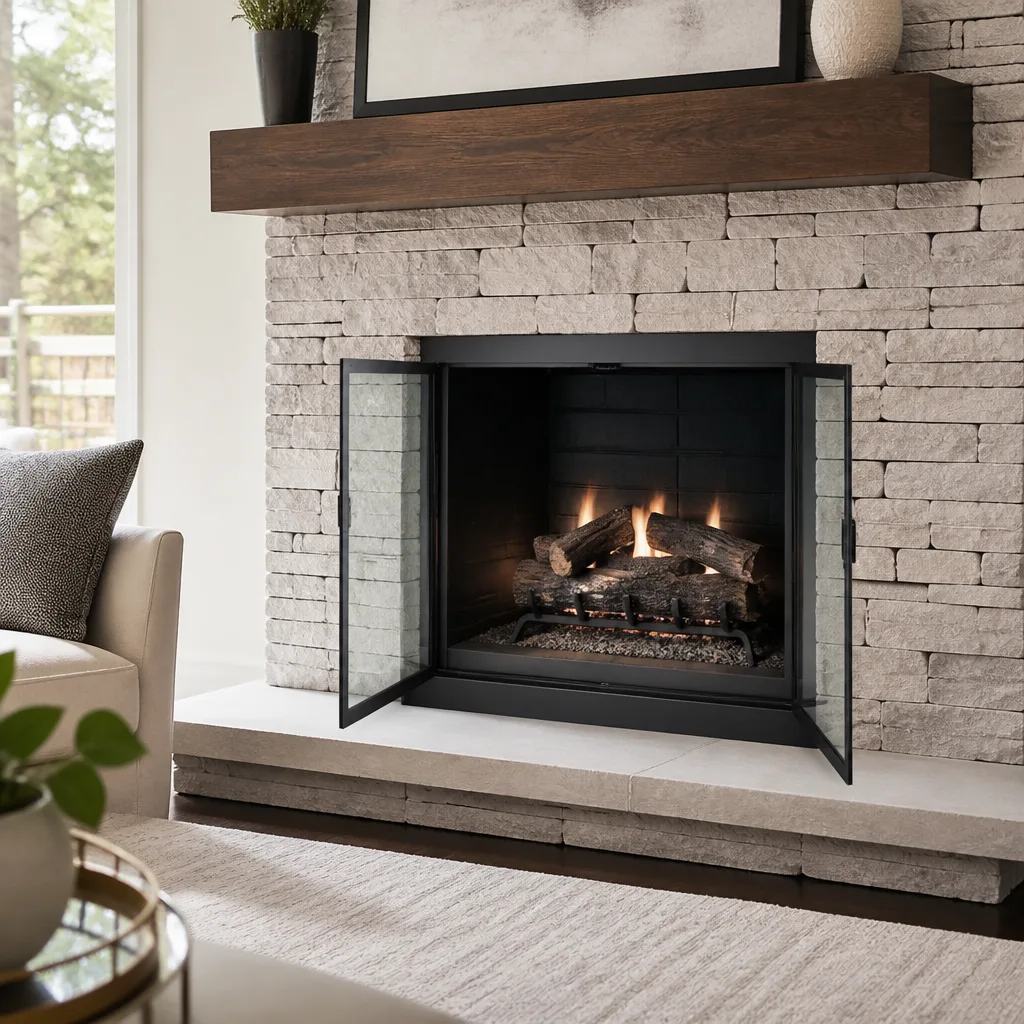 Gas fireplace service
Level 1 sweep and inspection to the NFPA 211 annual standard - flue, crown, cap, and flashing checked and photographed
Chimney sweep logs do not sweep chimneys. They loosen some creosote - which then falls where a brush and vacuum still have to collect it.
Chimney Sweep Troubleshooting: Common Problems and How to Fix Them
Smoke backing into your living room is not always a dirty flue. In roughly 40% of the service calls we run in Folsom, the real culprit is a pressure or draft imbalance caused by exhaust fans, tight modern windows, or an undersized flue relative to the firebox opening. The homeowner who knows how to read the symptoms can save a service fee, avoid unnecessary work, and describe the problem accurately when they do call. This guide gives you that diagnostic ability, symptom by symptom, so you know what you’re looking at before anyone picks up a brush.
Quick Answer
Most chimney problems fall into four categories: draft failure, odor, moisture intrusion, and visible staining. Each has a specific mechanical cause you can often identify with a match test, a flashlight, and a basic understanding of how air pressure moves through your home. If you have smoke in the living room, creosote odor, water stains on the ceiling, or rust streaking on the exterior, the troubleshooting steps below will tell you whether you’re dealing with a blockage, a pressure conflict, a structural crack, or ordinary buildup.
Styles & brands we work with
- Sweep & inspection
- Caps & crowns
- Flue relining
- Masonry repair
- Gas fireplace service
Table of Contents
- Smoke Rollback: When Smoke Pours Into the Room
- Slow Draw vs. No Draw: What the Difference Tells You
- Chimney Odors: Creosote, Animal, and Moisture Smells Decoded
- Reading Stains: Efflorescence, Smoke Staining, and Rust Streaking
- The Match Test: A 60-Second Draft Diagnostic
- Flue Liner Problems: Cracks, Gaps, and What They Mean
- The Dryer Vent Connection: When the Chimney Isn’t the Problem
Smoke Rollback: When Smoke Pours Into the Room
Smoke rollback is the most alarming chimney complaint because it’s happening right in your living space. The first instinct is to assume the flue is plugged. Sometimes it is. But in Folsom homes built in the last 20 years, with sealed windows and high-efficiency HVAC systems, rollback more often traces to a pressure problem than a blockage problem.
Here’s the mechanism. A fireplace needs a column of rising warm air inside the flue to pull combustion gases upward. That column only works if the pressure inside the house is higher than the pressure outside at the chimney top. When you run a kitchen exhaust fan, a bathroom fan, or a clothes dryer, those appliances pull air out of the house. In a tight, well-insulated home, that suction can overcome the chimney’s natural draft and push smoke backward into the room.
The symptoms are predictable:
- Smoke rollback that happens immediately on lighting usually points to a cold flue or a pressure conflict, not a blockage.
- Rollback that starts after the fire has been burning for 20 minutes often indicates a partial blockage or an undersized flue that cannot handle the fire’s full output.
- Rollback accompanied by a smokey smell even when no fire is burning suggests a draft reversal that happens whenever exhaust appliances run.
The fix depends on what you find. If the flue is genuinely blocked, a sweep resolves it. If the pressure differential is the issue, the solution might be opening a window an inch near the fireplace, adjusting how exhaust fans are used while burning, or in persistent cases, installing a top-sealing damper or a draft-inducing cap. We carry caps and ventilation hardware from Gelco and Famco for exactly this reason: the right cap can change a chronically smoky fireplace into a reliable one.
Slow Draw vs. No Draw: What the Difference Tells You
“Slow draw” means the fire burns, but weakly. Smoke drifts up but lingers at the lip of the firebox. “No draw” means the smoke doesn’t go up at all. These two patterns come from different failure points, and telling them apart saves you from guessing wrong about the repair.
Slow draw is typically caused by:
- Creosote buildup narrowing the flue passage. Even a quarter inch of glaze creosote on all four walls reduces the inner diameter enough to starve a fire of draft.
- An undersized flue relative to the firebox opening. The rule of thumb most masons use: the flue area should be roughly one-tenth the firebox opening area. A fireplace with a 30-inch by 30-inch opening needs a flue with about 90 square inches of cross-section. Many older Folsom homes were built with fireplaces that violate this ratio.
- A chimney cap with a fine mesh screen that has partially clogged with soot or rusted into a restricted opening.
No draw at all usually means:
- A complete blockage: animal nesting, a collapsed liner section, or a heavy accumulation of creosote that has closed the passage.
- Severe negative pressure in the house, strong enough to hold smoke in the firebox even with the damper fully open.
- A failed or missing chimney cap that has allowed rain, leaves, and debris to accumulate and compact inside the flue.
- Open the damper fully and shine a flashlight up the flue. If you cannot see daylight or open sky, you have a blockage that a sweep needs to remove.
- If the flue is clear, light a small piece of newspaper and hold it inside the firebox. Watch the smoke. If it rises steadily, your draft is functional and the issue may be the quality of your fuel or air supply to the firebox.
- If the smoke hangs or pushes outward, run the test again with a window open. If opening the window fixes it, the problem is negative pressure, not the chimney.
This is the kind of diagnostic work a chimney sweep in Folsom does on every service call before recommending any work. The answer is rarely “clean it and hope.”
Chimney Odors: Creosote, Animal, and Moisture Smells Decoded
Chimney odors are useful because each type of smell maps to a distinct underlying condition. A homeowner who learns to distinguish them knows whether to schedule a sweep, call a wildlife removal service, or investigate a flashing leak.
Creosote odor is sharp, acrid, and tar-like. It’s most noticeable on humid days or after rain, when moisture in the air activates the creosote deposits inside the flue. A working fireplace produces creosote every time it burns; the question is whether the deposits have reached the point where they need removal. A sharp creosote smell when no fire has burned for days usually means the flue is ready for a sweep. In our experience with Folsom’s dry summers and cool, damp winters, creosote odor often appears for the first time in October or November, when the first rain hits a flue that accumulated deposits the previous winter.
Animal intrusion odor is different: ammonia-like, sour, or decayed. Squirrels, raccoons, and chimney swifts nest in uncapped flues, and when they abandon the nest or die inside, the smell is unmistakable. The fix is not a sweep alone; the animal must be evicted or removed, the nest cleared, and a proper cap installed to prevent recurrence. We install caps sourced from Copperfield, which makes commercial-quality tops designed to stay put in Folsom’s wind conditions.
Masonry moisture odor is musty and mineral, often described as “wet basement” smell coming from the fireplace. This points to water intrusion through the masonry, the crown, or the flashing. It’s not a sweeper’s problem alone; it’s a structural repair issue. Left untreated, moisture that works its way into brick and mortar leads to spalling, efflorescence, and eventually what the trade calls “blown brick,” where the face of the brick pops off from freeze-thaw cycling.
The diagnostic sequence for any chimney odor:
- Identify the smell: sharp and tar-like (creosote), sour or ammonia (animal), or damp and mineral (moisture).
- Check the season and weather conditions. Creosote odor worsens with humidity. Moisture odor worsens after rain.
- Inspect the cap and crown visually from outside, looking for missing caps, cracked crowns, or visible nests.
- If in doubt, call for a camera inspection. A trained eye can see what a homeowner’s flashlight misses.
Reading Stains: Efflorescence, Smoke Staining, and Rust Streaking
Stains on a chimney are not a cosmetic problem. They are a written record of where water, smoke, or heat has been escaping or entering. Reading them correctly tells you where to look before you spend a dollar on repairs.
White efflorescence is a powdery or crystalline white deposit on the brick face. It forms when water enters the masonry, dissolves the mineral salts in the brick and mortar, and then evaporates at the surface, leaving the salts behind. Efflorescence itself is not structural damage, but it is proof that water is moving through the masonry. The source of that water is usually a failed crown, cracked mortar joints, or inadequate flashing. In Folsom, where we get intense summer heat followed by winter rain, the expansion and contraction cycle accelerates mortar joint failure, and efflorescence is often the first visible sign.
Black smoke staining on the exterior of the chimney, particularly near the top or around the crown, tells a different story. It usually means the flue is not drafting properly and smoke is escaping somewhere it should not be. A missing mortar joint, a cracked crown allowing smoke through the brick, or a flue that terminates too low relative to the roofline can all produce this staining. If you see black staining on a neighbor’s chimney and not yours, count yourself lucky; the draft is working.
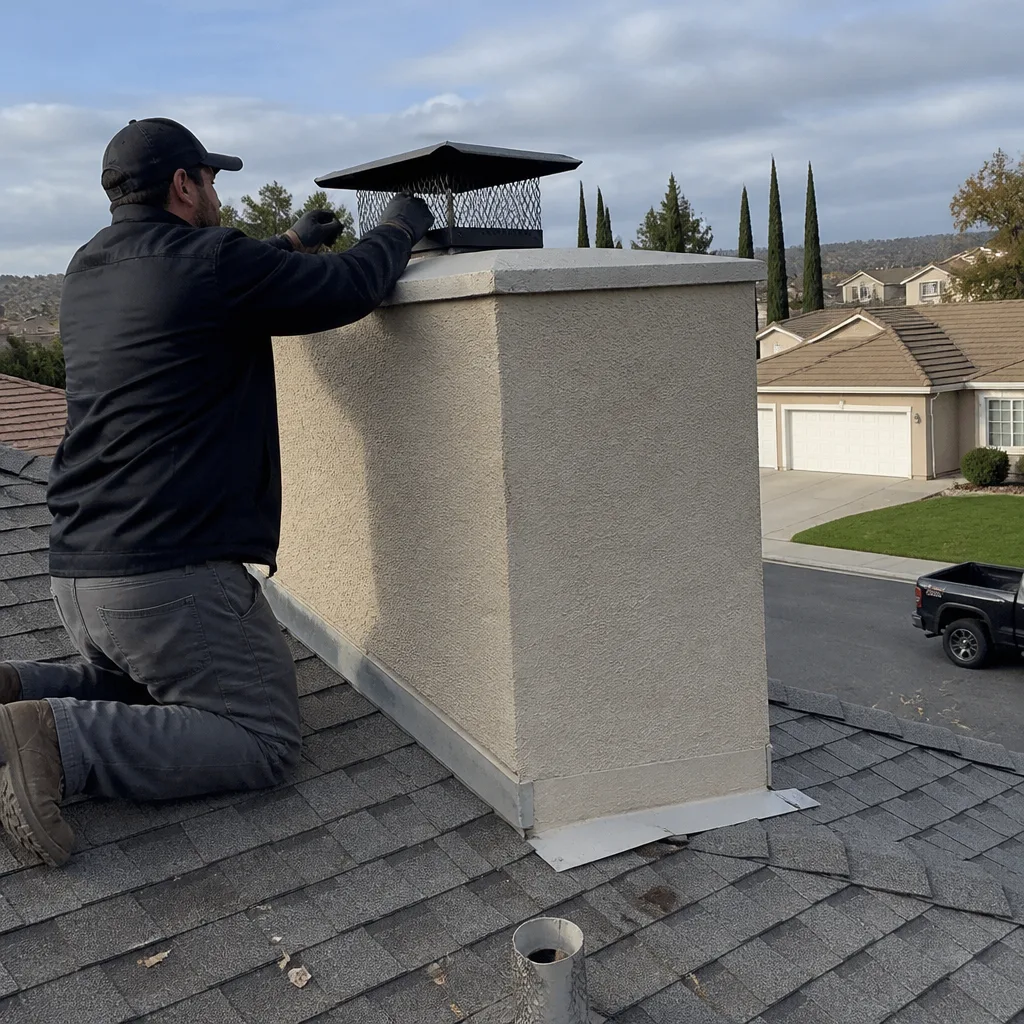
Rust streaking is orange or brown staining that runs vertically down the chimney face. It comes from one of two sources: a rusted-out metal chimney cap leaching iron oxide into the rain-washed brick, or a rusted damper assembly inside the throat of the fireplace. Both are repairable. A rusted cap should be replaced with a new one, preferably stainless steel. We stock caps from Olympia Chimney specifically because their stainless products resist the rust-through we see with cheaper galvanized caps after a few Folsom winter seasons.
If you see any of these stains, the next step is a professional inspection rather than a guess. Stain patterns tell you where to look; a camera inspection tells you exactly what has failed.
The Match Test: A 60-Second Draft Diagnostic
Before you call anyone, you can run a simple draft test that takes less than a minute and tells you more about your chimney’s condition than most service descriptions do. The test works because a properly functioning chimney maintains an upward air current even when no fire is burning, so long as the damper is open and the house pressure is balanced.
- Open the damper fully. If your damper is rusted or stuck, you have found one problem already.
- Open a window in the same room as the fireplace one or two inches.
- Light a wooden match or a narrow strip of newspaper and hold it inside the firebox, about 12 inches below the damper opening.
- Watch the smoke. If it drifts steadily upward and disappears into the flue, your draft is functional and the chimney is likely clear at the top.
- If the smoke hangs motionless, drifts outward into the room, or gets pulled downward, you have a draft failure. Close the window and run the test again. If the smoke behavior improves with the window closed, the house was experiencing negative pressure. If it does not improve, the problem is likely a blockage or flue restriction.
This test does not replace a professional inspection, and it will not reveal a cracked liner or a hidden masonry void. What it does is tell you whether the most common, least expensive fixes apply. We have had Folsom homeowners run this test on the phone with us, determine that their chimney was drafting fine, and avoid a service call entirely. That’s a win. We would rather you spend your money on the problem you actually have.
One caveat: the match test tells you about draft, not safety. A chimney can draft well and still have glaze creosote deposits at the second-degree stage, which is a fire hazard. Draft and cleanliness are separate issues. A clean flue matters even if the smoke goes up.
Flue Liner Problems: Cracks, Gaps, and What They Mean
The flue liner is the clay tile, stainless steel, or cast-in-place material that lines the inside of your chimney and contains the combustion gases, heat, and creosote. When the liner fails, the chimney is no longer safe to use, full stop. The problem is that liner failure is often invisible from the firebox.
Clay tile liners crack for two main reasons: thermal shock and structural movement. A hot fire on a cold Folsom morning can create enough thermal stress to crack a tile. Over years, hundreds of heating and cooling cycles produce hairline cracks that widen into gaps. Once a gap opens, creosote and heat can reach the surrounding masonry and, in wood-frame chimneys, the combustible framing.
Stainless steel liners fail differently: they can develop pinholes from corrosion, or their seams can separate. These failures are less dangerous than cracked clay tiles in some respects because stainless steel is more resistant to corrosive byproducts, but any breach in a liner compromises the system.
What does liner failure look like to a homeowner?
- Pieces of flue tile in the firebox after a chimney fire or a particularly hot burn.
- A smoky smell that persists even after a fresh sweep.
- Black staining on the chimney exterior near the top, suggesting gases are exiting through gaps in the liner into the brick.
- Visible cracks in the first flue tile when you shine a flashlight up the flue from the firebox.
If you see any of these, stop using the fireplace and schedule a camera inspection. The repair options depend on the liner’s condition. A liner with minor surface damage may qualify for HeatShield, a resurfacing system that restores the flue’s inner surface without a full tear-out. A liner with severe cracking or missing sections typically requires a full reline using a stainless steel system like DuraFlex, which our crews install when a chimney has reached the point where resurfacing is not enough.
We recommend HeatShield repair when the liner is structurally sound but has surface spalling or minor cracking, because it’s a less invasive and more cost-conscious path than full relining. When the liner is gone, HeatShield cannot bring it back. The camera tells us which category you are in.
The Dryer Vent Connection: When the Chimney Isn’t the Problem
Some homes in Folsom have a wood-burning fireplace and a dryer vent that terminates on the same side of the house. When the chimney smells bad or drafts poorly, the real problem can sometimes be found in the laundry room, not the firebox.
Here’s why. A clothes dryer exhausts moist air and lint through a duct that runs to the exterior. If that duct is clogged, or if the dryer’s exhaust fan is pulling air backward through the chimney chase, the result can be a smokey odor in the living space, a musty laundry room, or reduced fireplace draft. The two systems interact because they both move air through the house envelope.
A clogged dryer vent is also a fire hazard, and not a small one. Lint is highly flammable, and the National Fire Protection Association has consistently ranked dryer vent fires among the leading causes of residential structure fires. The simple act of clearing the vent annually changes that risk profile. We offer dryer vent cleaning in Folsom as a standalone service because so many homeowners discover a clogged vent only after the chimney evaluation points to a pressure problem in the laundry area.
The diagnostic steps are straightforward:
- Run the dryer and step outside to find the exhaust termination. If you feel little or no airflow, the vent is restricted.
- Check the lint trap. If the trap is clean but the vent flow is weak, the restriction is downstream in the ductwork.
- Note the drying time. A load that consistently takes more than one cycle to dry is a classic symptom of vent restriction, regardless of what the trap looks like.
If you find these symptoms, clear the vent before burning another fire. A chimney that shares air pathways with a restricted dryer vent will never draft correctly, and no amount of sweeping will fix it.
Common Mistakes to Avoid
- Burning a fire with a known draft problem. Smoke rollback is not something to “wait and see” about. If the chimney is not drafting, combustion gases may be entering the living space, and carbon monoxide is not detectible by smell.
- Assuming a clean flue means a safe chimney. A chimney can be swept clean and still have a cracked liner, a failing crown, or improper clearance to combustibles. Clean and safe are separate thresholds.
- Using the wrong fuel. Burning pine or other resinous softwoods in a Folsom fireplace accelerates creosote buildup faster than seasoned hardwoods do. The species matters more than most people think.
- Painting over efflorescence. Paint traps moisture inside the brick and makes the underlying problem worse. Efflorescence is a warning sign, not a blemish to cover.
- Ignoring a rusted damper. A damper that will not fully open or close changes how the chimney drafts and how much heat escapes when the fireplace is not in use. It’s a five-minute replacement, not a character feature.
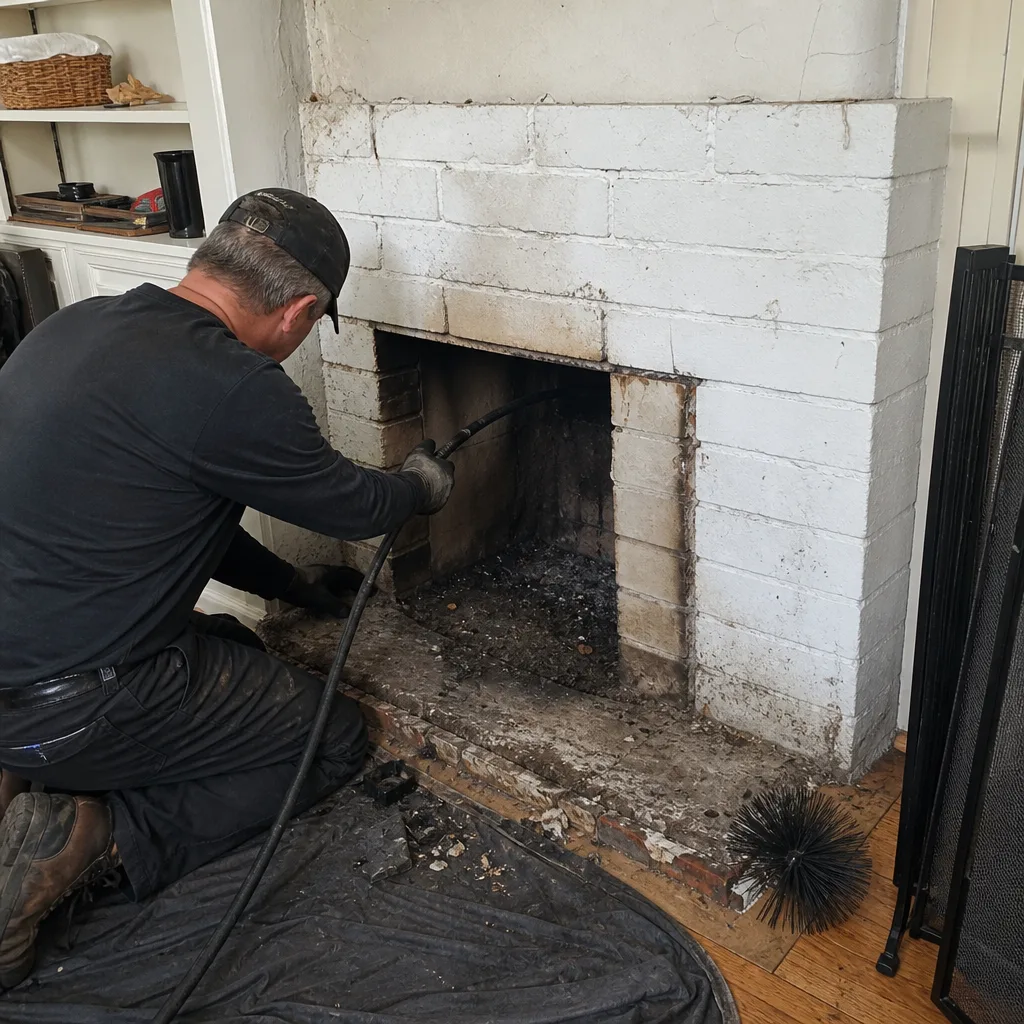
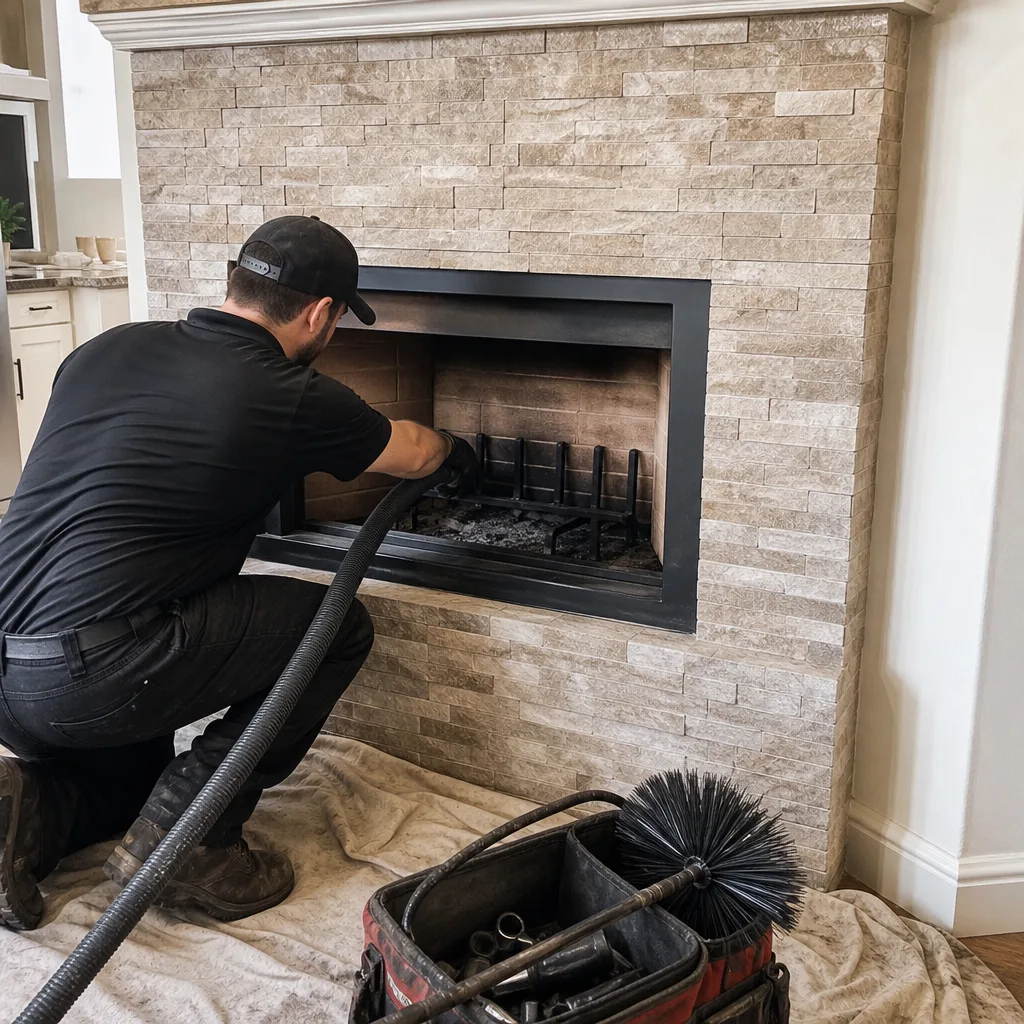
- Running a chimney sweep without a camera inspection. A brush removes what’s on the surface. A camera reveals what’s behind it. We run a camera on every sweep we do in Folsom because it is the only way to verify the liner is intact after the deposits are gone.
- Assuming a chimney cap is optional. An uncapped flue is an open invitation to animals, rain, leaves, and downdrafts. A cap is the cheapest insurance a chimney owner can buy.
See the difference
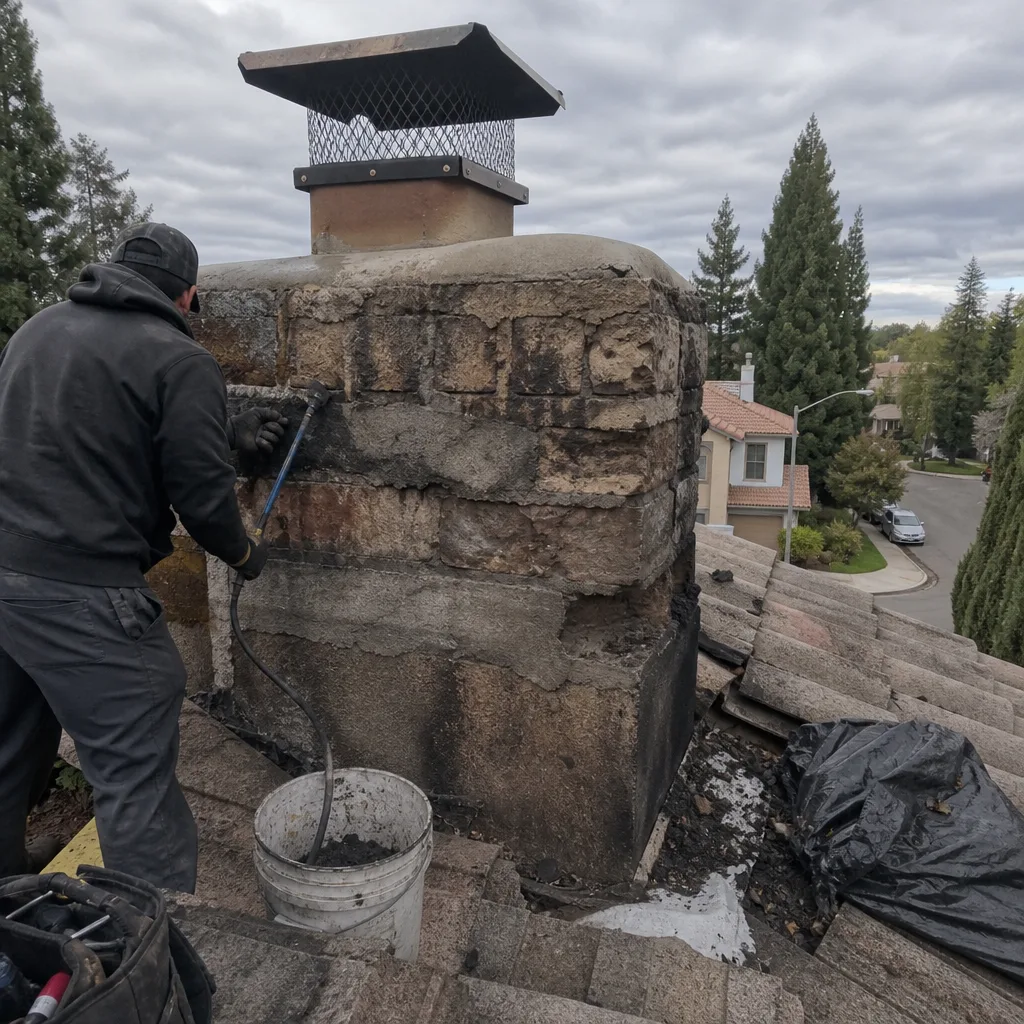 Before
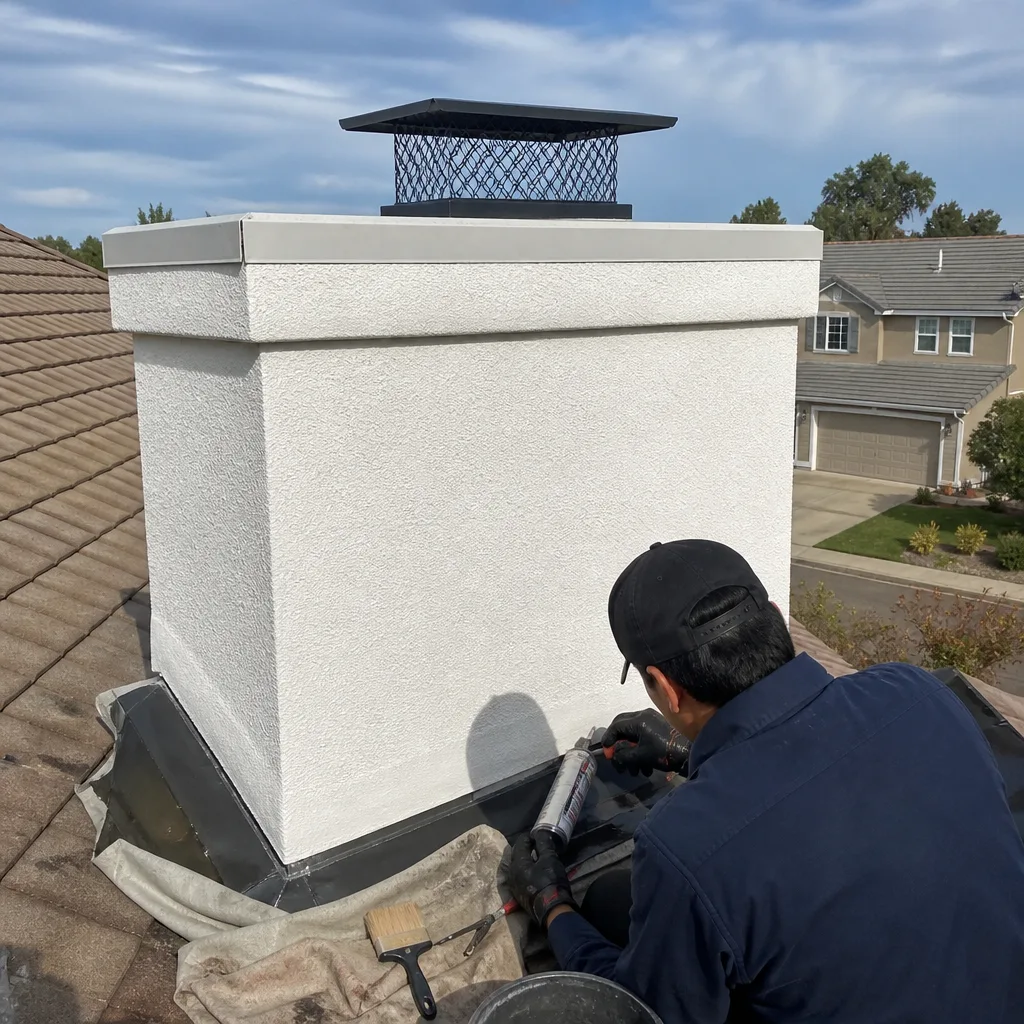 After
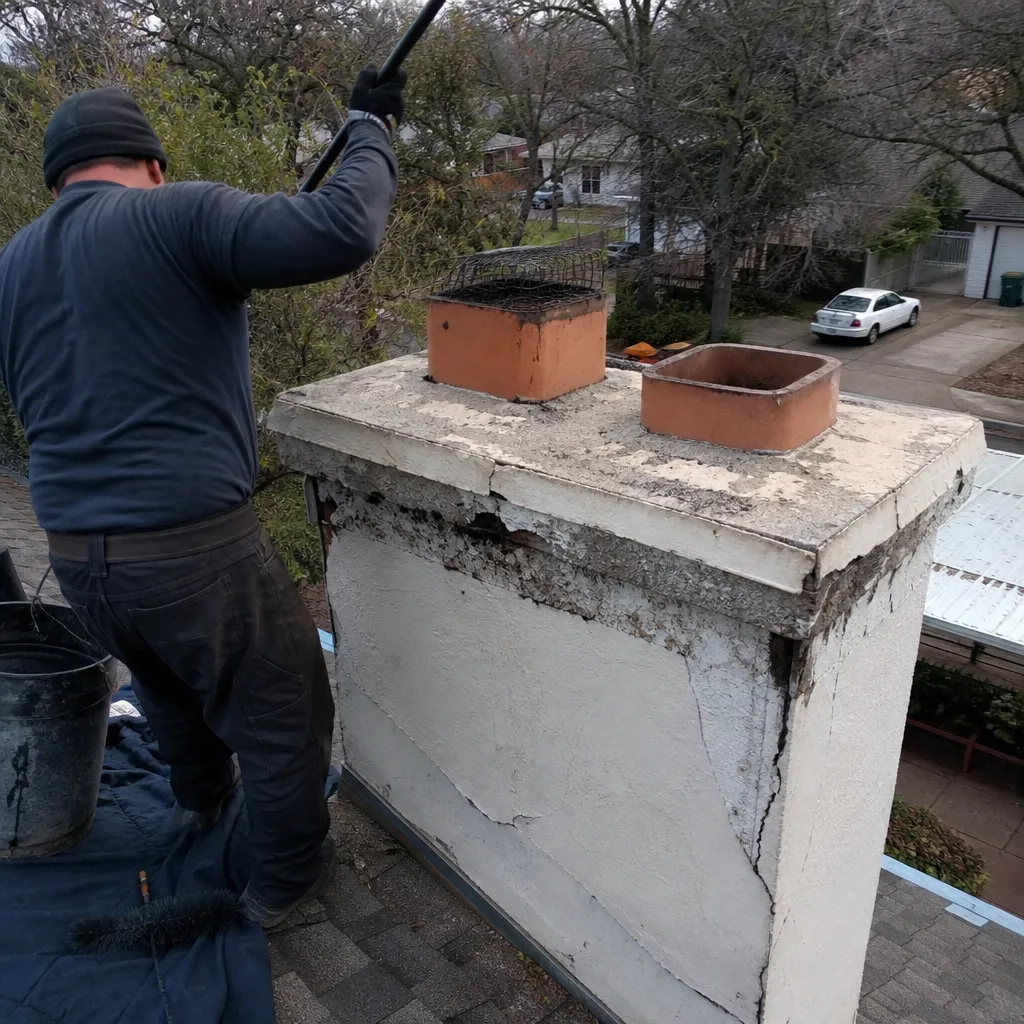 Before
 After
 Before
 After
When to Call a Professional
A homeowner can diagnose a draft problem. A homeowner should not attempt to fix a structural chimney problem, remove animal nests from a flue, apply HeatShield, or replace a liner. The line is simple: if the problem is inside the flue and involves the liner, the masonry, or the crown, call a professional. If the problem is a pressure conflict, a damper adjustment, or a simple blockage at the cap level, a careful homeowner can often address it. When in doubt, call. Chimney Sweep Folsom offers free estimates in Folsom; call (833) 589-9896 and describe what you’re seeing. We’ll tell you honestly whether it’s worth a service visit.
Frequently Asked Questions
The National Fire Protection Association standard says to sweep when creosote buildup reaches 1/8 inch, but as a practical matter, most Folsom homeowners who burn regularly need one sweep per year, ideally in early fall before the burning season begins. A visual inspection each spring confirms whether a second sweep is needed after a heavy winter.
Creosote continues to accumulate in layers. The first stage is a flaky soot; the second stage is a tar-like glaze; the third stage is a hardened, glossy deposit that is extremely difficult to remove and burns at high temperatures. A chimney fire becomes more likely with each stage, and chimney fires damage liners and surrounding masonry even when they don’t spread to the house.
Expect a standard chimney sweep in Folsom to fall between $180 and $340, depending on the chimney’s height, the amount of creosote present, and whether a camera inspection is included. Repairs like liner resurfacing or cap replacement are priced separately after diagnosis. Call (833) 589-9896 for an exact quote; estimates are free.
You can run brushes down a flue from the top or up from the firebox, but you’re working blind without a camera, and the risk of missing a liner crack or a hidden void is real. More importantly, the safety-critical issues in a chimney are rarely the visible soot; they are the structural failures behind it. A professional sweep includes the inspection that turns a cleaning into a verification.
Summer chimney odor is typically creosote activated by humidity, not a new problem. The deposits in the flue absorb moisture from the air and release their characteristic sharp, tar-like smell. The fix is a sweep to remove the deposits, and in many Folsom homes, a top-sealing damper to prevent humid air from entering the flue when the fireplace is idle.
Gas fireplaces produce water vapor and acidic condensate rather than creosote, so they don’t need sweeping for creosote removal. They do need annual inspection for burner function, venting integrity, and carbon monoxide clearance. A gas fireplace that has never been inspected is just as much of a roll of the dice as a wood-burning fireplace that has never been swept.
The Bottom Line
Chimney troubleshooting starts with honest observation. A match test tells you whether the draft works. The smell tells you what kind of deposit or intrusion you’re dealing with. The stains on the brick tell you where water or smoke has been escaping. Put those signals together and you can often identify the problem category before anyone arrives, which makes the service call shorter, the repair more targeted, and the total cost lower. When the issue moves beyond diagnosis, whether that’s a cracked liner, a failed crown, or animal intrusion, that’s the moment to bring in a specialist who can actually fix what’s broken. We sweep, repair, and reline. One call covers it all.
For chimney sweeping, dryer vent cleaning, or structural chimney repair in Folsom, call Chimney Sweep Folsom at (833) 589-9896 for a free estimate. We diagnose. We fix. We don’t just report and leave.
Written by the team at Chimney Sweep Folsom, serving Folsom since 2011.