
Last updated November 2, 2026
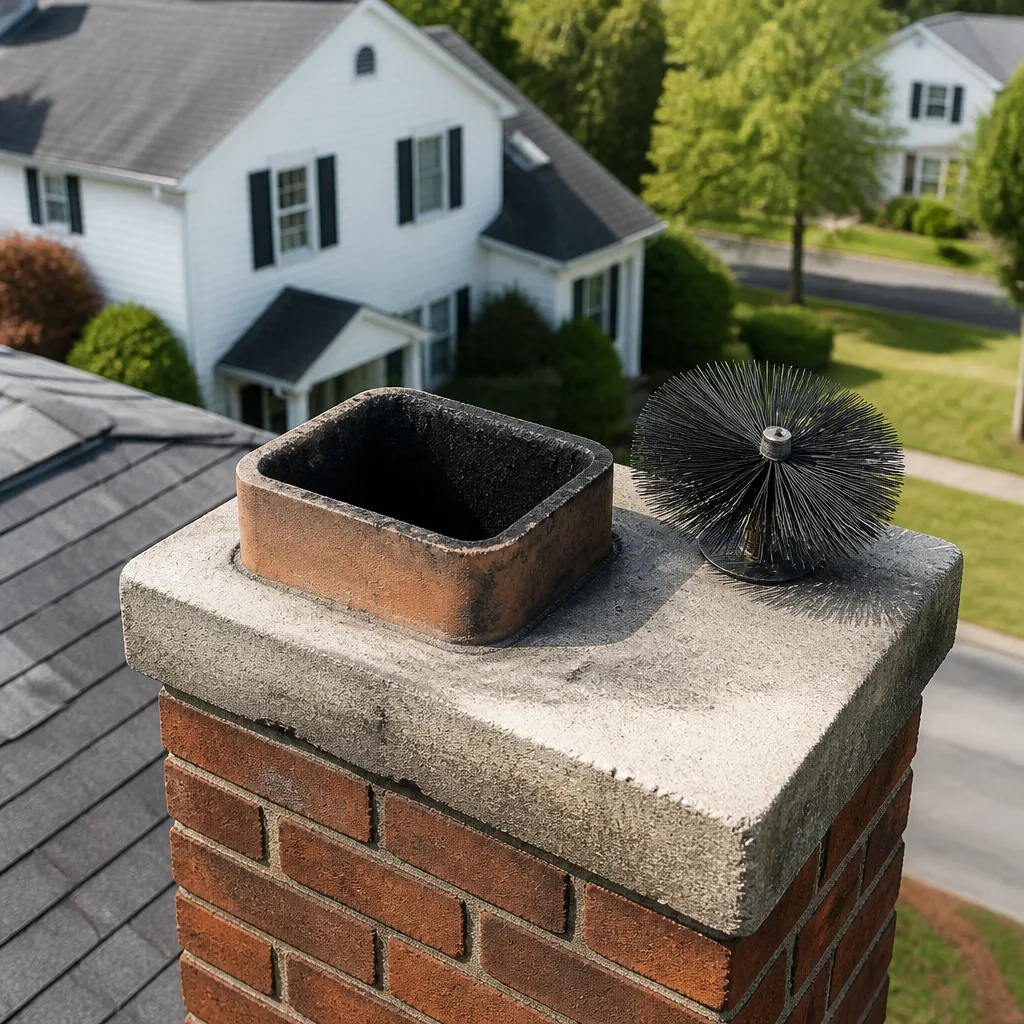 Sweep & inspection
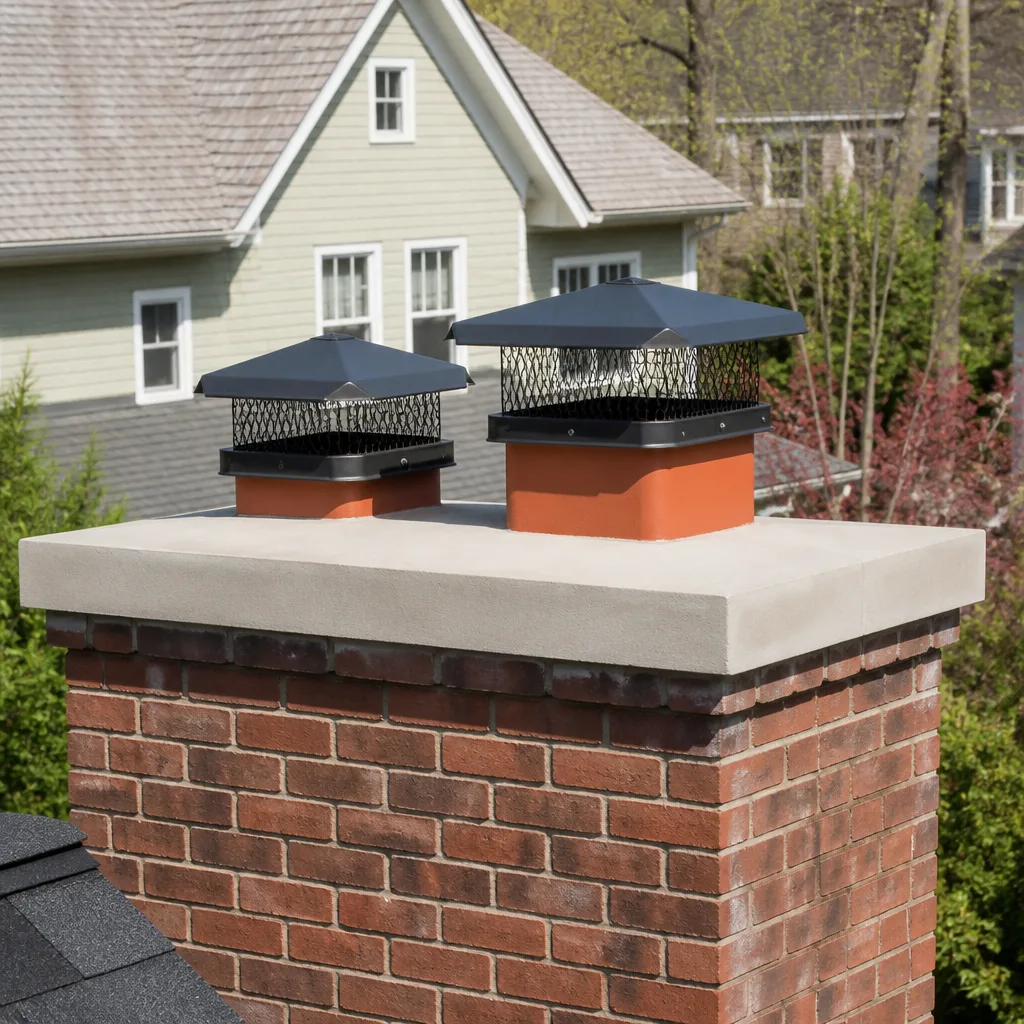 Caps & crowns
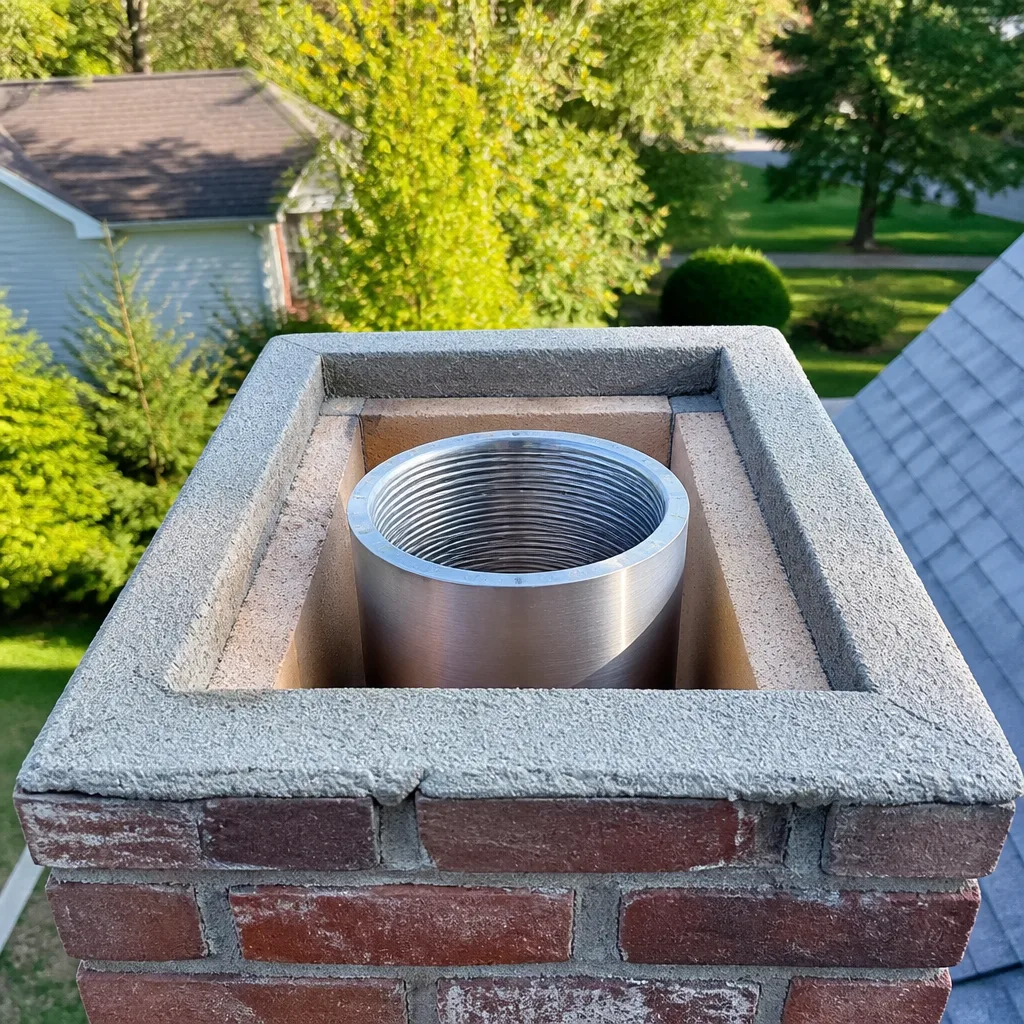 Flue relining
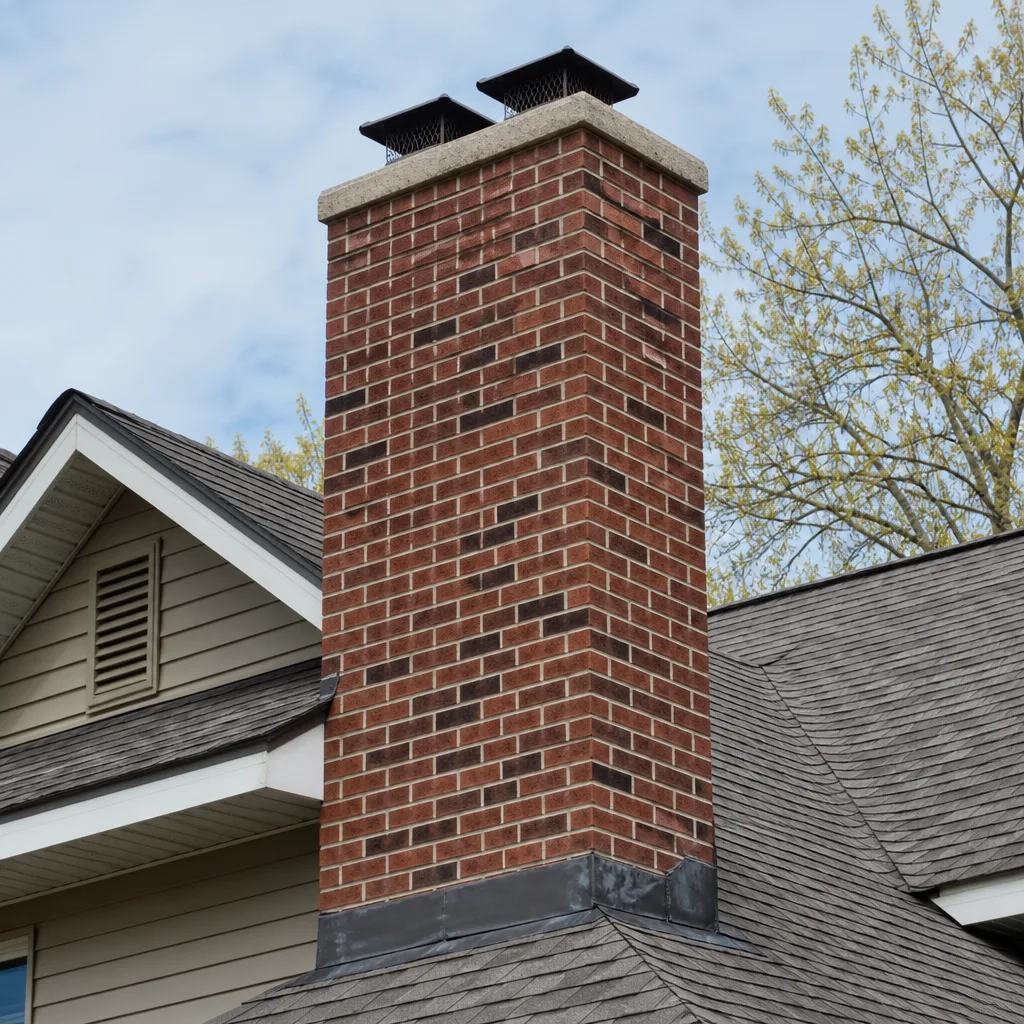 Masonry repair
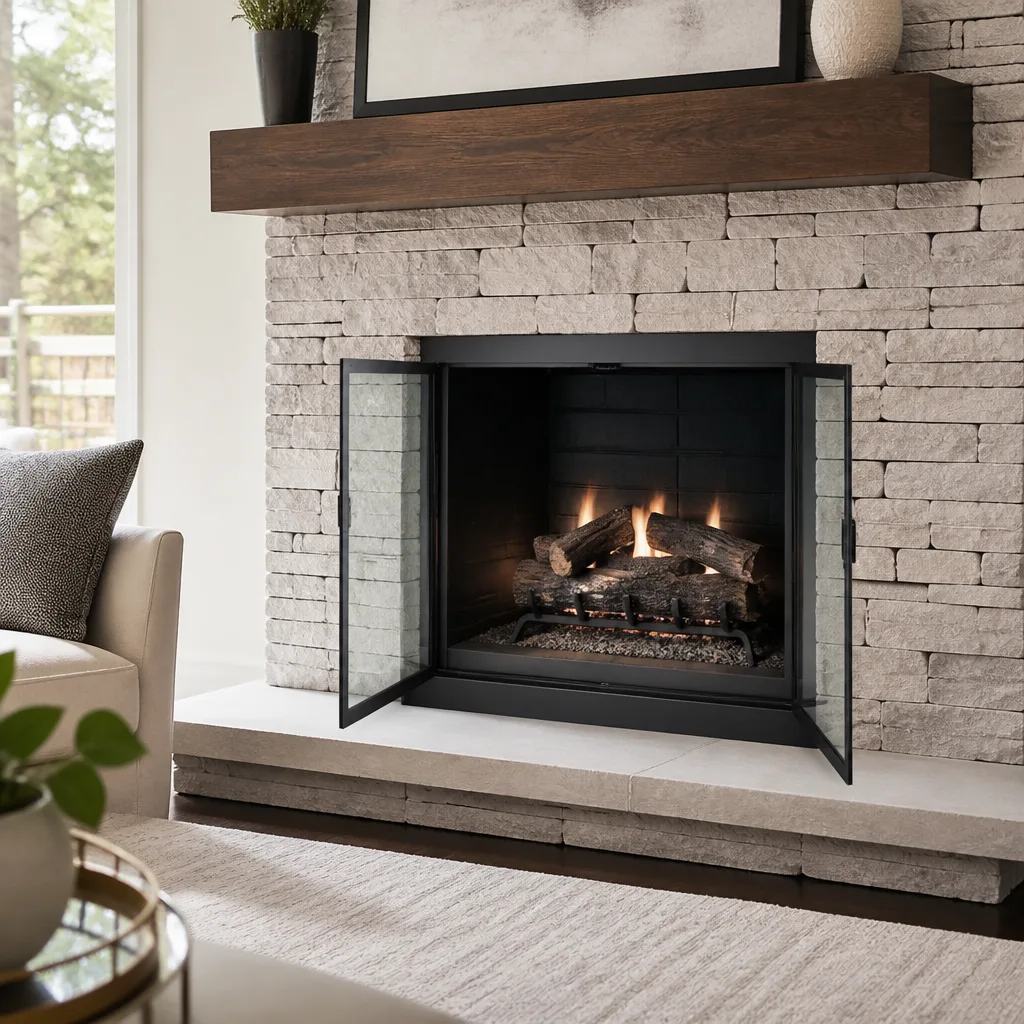 Gas fireplace service
Level 1 sweep and inspection to the NFPA 211 annual standard - flue, crown, cap, and flashing checked and photographed
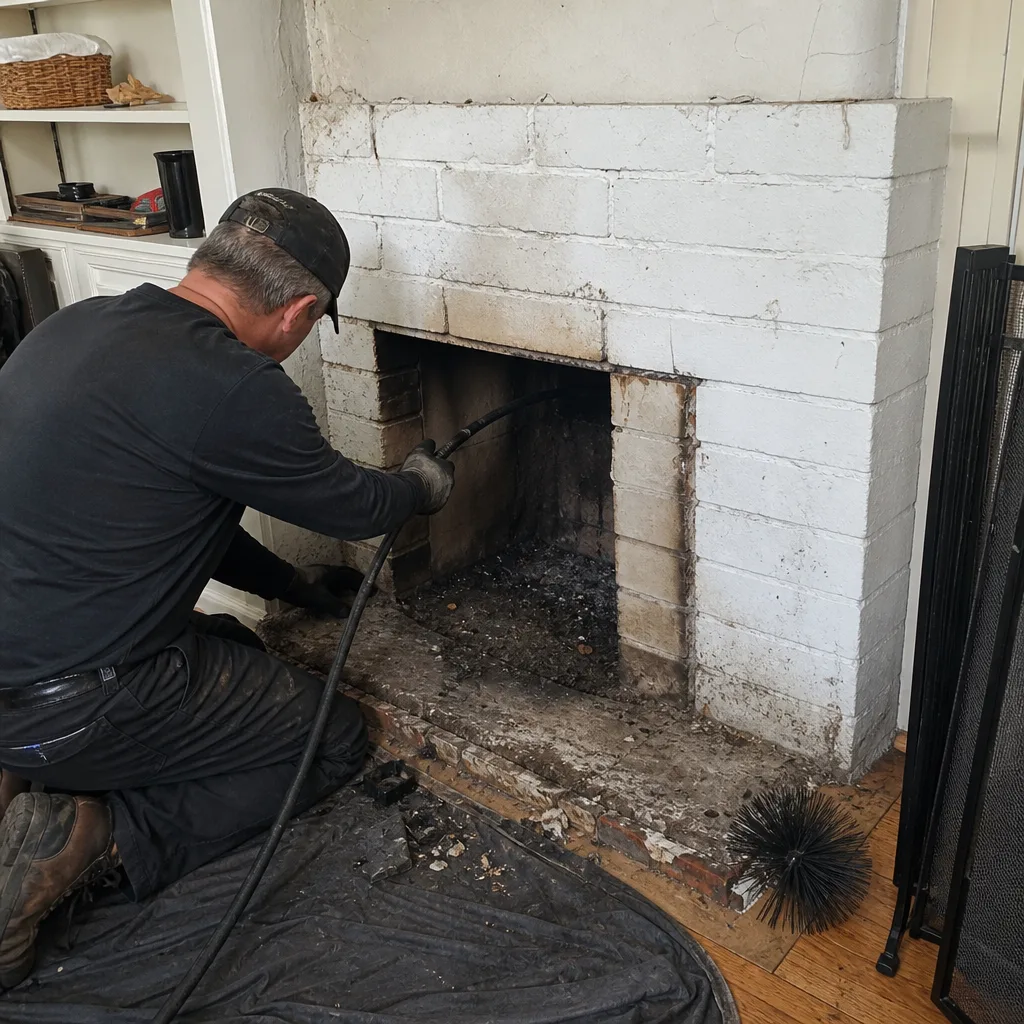
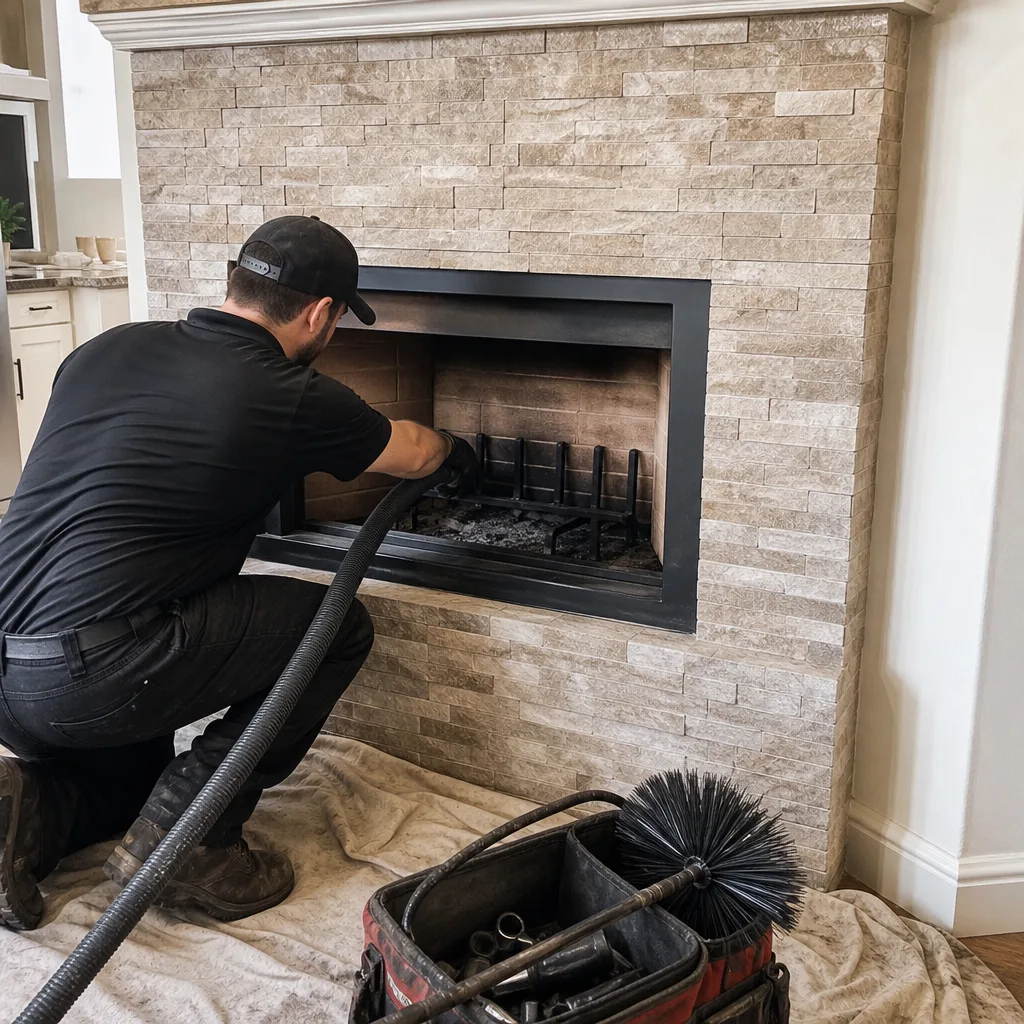
Chimney sweep logs do not sweep chimneys. They loosen some creosote - which then falls where a brush and vacuum still have to collect it.
Seasonal Chimney Cleaning Care for Folsom: Year-Round Homeowner’s Guide
In Folsom, the chimney damage that shows up in October was usually caused in June, when summer heat drives moisture out of improperly sealed crowns and leaves hairline cracks that widen by the first cold burn. Most chimney care guides are written for the Midwest or Pacific Northwest, where freezing winters and steady rain dictate the maintenance calendar, so explore our more guides & resources tailored to local conditions. Folsom is different. Our dry heat, extended wildfire season, and occasional Sierra-fed downpours create a unique rhythm that most homeowners don’t realize they need to follow until the chimney sweep finds something expensive. This guide gives you a month-by-month maintenance plan built specifically for how Folsom homes actually cycle through heat, smoke, and moisture. You’ll learn when to book a sweep, why August beats November every time, and which summer tasks prevent the repairs that catch people off guard when the first cold snap arrives.
Quick Answer
Seasonal chimney care in Folsom means scheduling your annual sweep in August or September, before burning season demand peaks and SMAQMD no-burn days restrict when you can safely burn off residue. Summer is for structural inspections after heat cycles and wildfire smoke exposure; winter requires monthly creosote checks during active burning; spring is for post-season maintenance before dry heat accelerates any moisture damage. A professional chimney sweep in Folsom handles the full cycle, including dryer vent cleaning that many homeowners forget carries its own fire risk.
Styles & brands we work with
- Sweep & inspection
- Caps & crowns
- Flue relining
- Masonry repair
- Gas fireplace service
Table of Contents
- Why Folsom’s Climate Demands a Different Chimney Calendar
- August to September: The Real Chimney Cleaning Season in Folsom
- October to December: What to Do Before, During, and After Your First Fire
- January to March: Winter Maintenance When You’re Burning Regularly
- April to May: Post-Season Steps That Prevent Summer Damage
- June to July: Summer Heat, Wildfire Smoke, and the Maintenance People Skip
- How SMAQMD No-Burn Days Affect Your Chimney Maintenance Timing
- El Niño vs. La Niña in the Sierra Foothills: What It Means for Creosote
Why Folsom’s Climate Demands a Different Chimney Calendar
Folsom sits at the edge of the Sacramento Valley, where summer temperatures routinely cross 100°F and winter lows rarely dip below freezing. That combination, not cold weather, is what drives most chimney problems here. Intense UV exposure and repeated thermal cycling, the daily expansion and contraction of masonry as temperatures swing 40 degrees between night and day, stress crown seals and mortar joints in ways that freeze-thaw cycles do in colder climates. A hairline crack that forms in June sits open and dry all summer. Then the first fall rain arrives, water gets in, and your first fire of the season bakes that trapped moisture into steam pressure inside the flue. The damage compounds fast.
Humidity near zero for months at a time also affects creosote differently. In damp climates, creosote stays sticky and builds up in tar-like layers. In Folsom’s dry heat, creosote from winter burns dries out into a brittle glaze that adheres to the flue wall. It seems easier to remove, but that brittleness makes it more flammable, not less. A dry creosote glaze ignites at a lower temperature than the sticky stuff. That’s one reason a chimney that “looked fine” at the end of winter can be a fire hazard by the following fall. The Chimney Sweep Folsom home page has more detail on how our local climate affects flue systems specifically, but the short version is this: dry heat is harder on chimneys than most people think.
Wildfire season adds another variable. Smoke from regional fires doesn’t just haze the air outside. It deposits fine particulate inside chimneys, especially on the cap and screen. Combine that residue with a dry creosote coating inside the flue and you’ve created conditions where a routine burn can turn into something worse. Add to this the fact that Folsom homes built in the 1980s and 1990s often have original tile liners that have never been camera-inspected, and you start to see why a climate-specific maintenance plan matters.
August to September: The Real Chimney Cleaning Season in Folsom
Ask most Folsom homeowners when they book a chimney sweep and they’ll tell you late October or November, right before they light the first fire. That’s backwards. By November, every chimney company is booked out for weeks, and you’re competing with everyone else who waited until the first cold morning jogged their memory. Booking in August or September means you get the first available appointment, the sweep happens while your flue is completely dry and accessible, and any repairs found during the inspection can be completed before burning season starts.
There’s a technical reason August and September are ideal beyond scheduling convenience. Creosote from last winter has had all summer to cure. By late summer, what’s left in your flue is either a dry glaze or a hardened deposit. A professional sweep with the right rotary equipment can remove cured creosote more thoroughly than fresh, sticky residue. Wait until the first rain of fall and moisture reintroduction softens the deposits, but not in a way that helps. Wet creosote smears and gets pushed into flue tile seams instead of lifting clean off the surface.
Here’s the sequence we recommend for Folsom homeowners in late summer:
- Book the sweep for August or early September. Don’t wait for cooler weather. Flues are dry, access is good, and you’ll have results before the demand spike.
- Request a camera inspection with the sweep. A visual-only inspection misses liner cracks that sit above the damper. Camera inspection shows the full flue length. In Folsom, we regularly find hairline cracks in clay tile liners that were invisible from the firebox, cracks that let heat and gases reach the surrounding framing.
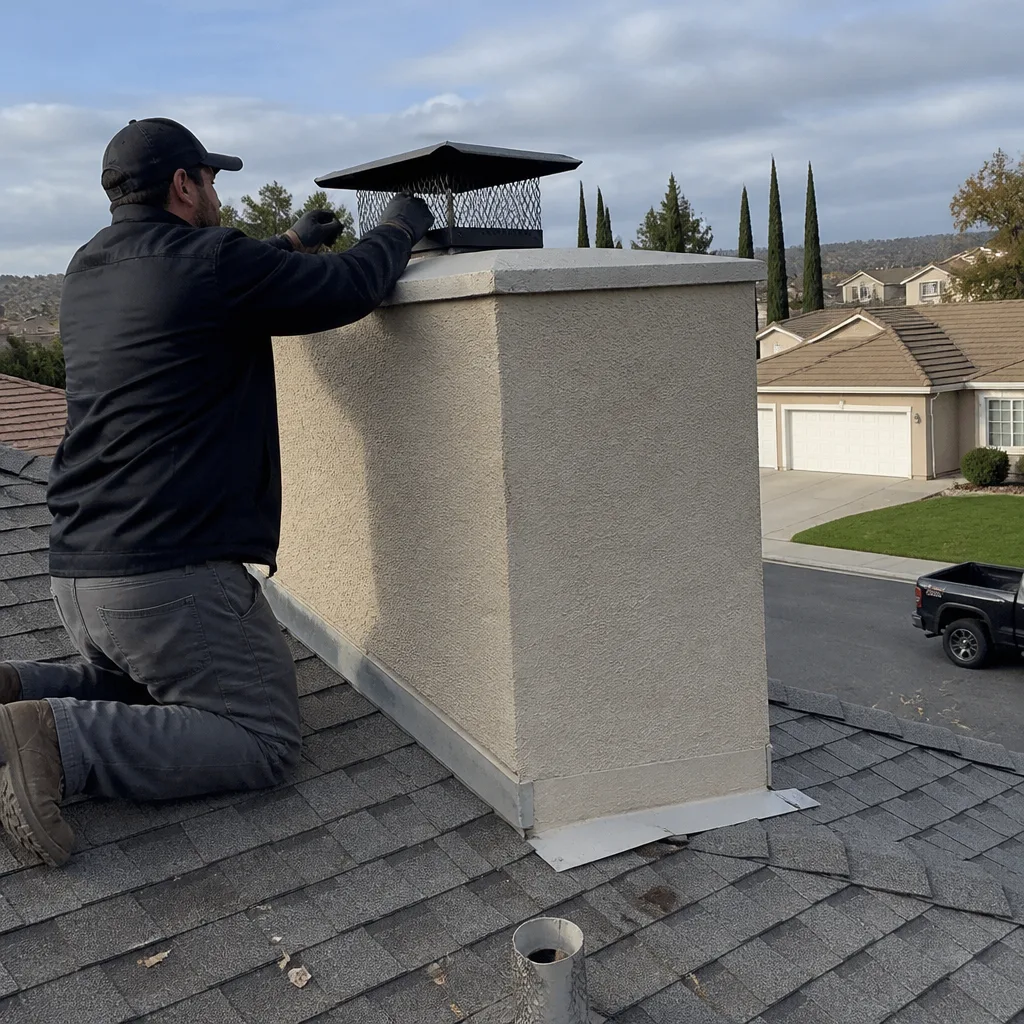
- Have the cap and crown checked in the same visit. Folsom’s summer UV takes a toll on crown seals. A cracked crown is the single most common entry point for moisture damage in our service area.
- If repairs are recommended, get them done before November. A flue liner that needs resurfacing or replacement is a job that takes hours, not days, but the work can’t be done properly once wet weather returns. Chimney Repair in Folsom covers our full range of structural fixes, from crown recoating to full flue relining.
- Schedule dryer vent cleaning at the same time. If you’re having us out for the chimney, adding dryer vent service on the same trip saves you a separate appointment. Lint accumulation doesn’t follow a seasonal calendar, but late summer is a good checkpoint before holiday-season laundry loads go up. See Dryer Vent Cleaning in Folsom for what that involves.
One more thing about booking early: flue resurfacing jobs using HeatShield or flue liner installations with DuraFlex systems both need dry conditions for proper curing. Scheduling in August and September puts you at the front of the queue. By November, these repair windows have often closed for the season.
October to December: What to Do Before, During, and After Your First Fire
October in Folsom is usually when the first real cold evenings arrive. If you followed the August-September sequence, your flue is clean, your cap is intact, and you’re in good shape. If you didn’t, October is still not too late. The important thing is not lighting a fire in a flue that hasn’t been inspected in more than a year, especially if that flue is tile-lined and dates to the home’s original construction. A 30-year-old tile liner that’s never been camera-inspected is not something you want to test by fire.
For the late October to December window, here’s what to check yourself before your first burn:
- Open the damper fully and look up with a flashlight. You’re checking for visible creosote accumulation, animal nesting material, or any obstruction. This is a basic visual check, not a substitute for a professional sweep, but it catches obvious problems.
- Check the cap from outside. If you can safely view it from the ground, look for missing screens, rust, or visible debris. Folsom’s summer winds can dislodge caps that were never properly secured.
- Verify your smoke and carbon monoxide detectors. This is the minimum safety step before the first fire of the season. Replace batteries and test the units.
- Prime the flue before the first burn. Roll a sheet of newspaper into a torch, light it, and hold it near the open damper for a minute or two. This warms the flue air and establishes a proper draft. Cold flues backdraft, and a backdraft in a dirty chimney is a smoke and carbon monoxide event.
- Burn only seasoned hardwood. In Folsom, what “seasoned” means is wood that’s dried for at least six to twelve months in our climate, ideally split and stacked with good airflow. Green wood from a neighbor’s felled tree creates heavy creosote loading in a single season.
During active burning months, especially December when Christmas fires are on, the creosote curve is steep. A flue that was completely clean in September might accumulate meaningful glaze after 30 to 40 fires. If you’re burning daily and starting to smell smoke in the house when the fire dies down, or if you see thick black buildup on the damper plate, stop burning and have the flue checked. The cost of an inspection is trivial compared to the cost of a flue fire repair.
January to March: Winter Maintenance When You’re Burning Regularly
Winter in Folsom is mild compared to most of the country, but it’s when your chimney does its actual work. January and February are historically the peak burning months here, which means they’re also the months when most chimney fires happen. The issue isn’t cold. It’s cumulative creosote plus the higher burn rate. You’re firing the stove or fireplace four or five nights a week, and the flue surface never gets a chance to cool completely between burns. Creosote builds in layers that don’t cure and flake off, they fuse.
Here’s a winter-month inspection routine you can do in five minutes:
- Weekly visual check of the firebox. Look for shiny black glaze on the walls above the fire. Shiny is bad. Matte black is normal. Shiny means stage-two creosote and it’s time to book a sweep.
- Check the damper and smoke shelf monthly. Use a mirror and flashlight if you can’t see directly. This area collects creosote fastest because it’s where smoke turbulence is highest.
- Listen for popping sounds during a burn. A crackling fire is normal. Loud pops or a rumbling sound in the flue above you is not. That’s the sound of creosote igniting. Close the damper if safe to do so, call your local fire department if flames are visible from outside, and get a professional inspection before burning again.
- Clear ashes from the firebox when the bed gets above one inch, but not too often. A thin ash bed insulates the fire and helps it burn hotter. A thick bed chokes airflow and leads to smoke-back and incomplete burns, which add creosote faster.
- Watch the smoke color outside. From the yard, look at what’s coming out of the cap. White or light gray smoke that dissipates quickly is a hot, efficient burn. Brown or heavy gray smoke that lingers means incomplete combustion. The fix is usually drier wood or more air, not a bigger fire.
If you skipped the fall sweep and are burning daily through January, it’s not uncommon to need a mid-season cleaning. In our experience, Folsom homes burning pine and oak blends accumulate enough creosote in 60 to 80 burns to warrant professional cleaning, even in a single season. Wood species matters. Almond and oak burn hotter and cleaner than pine, and many Folsom homeowners have access to orchard woods that are actually excellent fuel, provided they’re properly seasoned.
April to May: Post-Season Steps That Prevent Summer Damage
Most Folsom homeowners stop burning by late March or early April. That’s when the post-season maintenance window opens, and it’s the step almost everyone skips. Here’s why it matters. The creosote left in your flue after the last fire of winter sits through six months of dry heat. As it cures, it becomes more flammable, not less. Then late summer arrives, you get a crown crack from heat expansion, and now you have a flammable interior and an open moisture path from the top. That’s the combination that leads to the surprise repair bill in October.
April and May are for closing out the burning season correctly:
- Book a post-season sweep if you burned frequently. A full cleaning in April or early May removes the winter accumulation before it cures into the dry glaze that’s harder and more dangerous to remove later. This also means you’re clean and ready for whatever next winter brings, with no August scramble.
- Have the crown checked after the first heat waves. By May, Folsom has usually had its first stretch of 90°F days. That’s enough to open fresh cracks in a crown that’s near the end of its service life. Catching a crown crack in May is a minor reseal. Finding it in November means water has had months to work into the masonry.
- Schedule spalling inspection if you have brick exterior. Spalling, the flaking or popping of brick faces, is caused by moisture in the masonry expanding under heat. In Folsom’s dry climate, it’s slower than in freeze-thaw zones, but it still happens, especially on chimneys that have already absorbed water through a cracked crown or failed mortar joint. Our team performs these structural assessments as part of the Chimney Sweep in Folsom service when the home’s full chimney condition is unknown.
- Install or inspect a top-sealing damper. A conventional throat damper leaks air all year, which means your air-conditioned air escapes through the chimney all summer. A top-sealing damper, mounted at the flue top, reduces energy loss and also keeps birds, bats, and debris out during the months the fireplace sits idle. The parts we install are commercial-grade, sourced from brands like Copperfield and Gelco, not hardware-store substitutes.
The post-season sweep in April or May also fits naturally with spring cleaning. You’re already clearing gutters, checking AC filters, and pressure-washing. Adding the chimney to that list means it’s done before Folsom’s real heat arrives, and you won’t be thinking about fires again until late September.
June to July: Summer Heat, Wildfire Smoke, and the Maintenance People Skip
June and July in Folsom are when chimneys are the last thing on anyone’s mind. The fireplace is dormant, the AC is running, and the only smoke in the air comes from somewhere across the valley. But this is exactly when the most important summer tasks happen, because this is when the damage mechanisms are most active. The problem is almost no one schedules chimney work in June or July, which means the companies that do this well have open calendars. You can get the most thorough service of the year with zero wait.
The two summer-specific tasks that actually matter in Folsom:
Cap inspection after wildfire season. Smoke from regional wildfires carries fine particulate that deposits on chimney caps and screens. Over a long fire season, this residue can be thick enough to restrict airflow through the cap mesh, and combined with summer dust, it hardens into a crust. A professional cap cleaning, or replacement if the mesh is damaged, restores proper draft and keeps embers where they belong. This is a June-July task because the fire season in Northern California starts earlier each year, and by fall, the residue has been baked on for months.
Crown coat checks after heat cycles. Folsom’s daily temperature swings, especially the 100°F day followed by a 60°F night that happens regularly in June and July, stress every seal at the top of the chimney. Crown coats, the waterproof seal on the chimney’s top surface, develop hairline cracks that open and close with each cycle. After several weeks of this, the crack is permanent. Checking crown coat integrity in June before the worst of the heat, and again in July after the first extended heat wave, catches these cracks early.
We also see a pattern in Folsom during summer months: chimney odors. As outdoor temperatures climb, especially when the house gets hot and the AC doesn’t run for part of the day, the warm air in the flue expands and pushes stale smoke odor into the house. Homeowners often mistake this for a dead animal or a plumbing issue. It’s almost always creosote residue from winter burns heating up and off-gassing. The fix is a late-spring or early-summer flue cleaning, which removes the creosote and the odor source in one pass.
How SMAQMD No-Burn Days Affect Your Chimney Maintenance Timing
The Sacramento Metropolitan Air Quality Management District, SMAQMD, issues no-burn days during fall and winter when particulate levels are forecast to exceed federal standards. During these periods, burning wood in your fireplace or stove is restricted or prohibited unless you have an approved exemption. Folsom is fully inside SMAQMD jurisdiction, and no-burn days are a factor in both your burning habits and your chimney maintenance schedule, so review our Chimney Cleaning Emergency Preparedness Guide for Folsom Homes before the season starts.
The connection to chimney care is direct. A dirty chimney produces more particulate matter per fire. If your flue has accumulated creosote, the smoke you produce on a legal burn day includes more fine particles, which contributes to the air quality conditions that trigger no-burn restrictions in the first place. A clean chimney burns more efficiently and produces less particulate per cord of wood, which is better for your neighbors and better for your own compliance with burn restrictions.
There’s also a practical timing issue. If you wait until November to schedule a sweep, and then a no-burn day pattern sets in, you might find yourself with a clean flue but no legal burning window. The best solution is the same as it always is in Folsom: get the sweep done in August or September, so your first burn happens on your schedule, not on the air district’s. You can check current no-burn status on the SMAQMD website or through their Check Before You Burn program, which sends daily burn status updates during the burning season.
El Niño vs. La Niña in the Sierra Foothills: What It Means for Creosote
The El Niño-Southern Oscillation pattern, the alternating warm and cool phases of Pacific Ocean surface temperatures, drives Folsom’s winter precipitation more than most people realize. El Niño winters tend to bring more rain to California, sometimes as atmospheric river systems that dump multiple inches in a few days. La Niña winters more often deliver cool, dry conditions with little precipitation. Both phases affect your chimney in ways that should change when and what you check.
During El Niño patterns, moisture is the main concern. Wet winters accelerate crown cracking and mortar joint erosion, especially if the chimney crown was already compromised. Water intrusion leads to spalling during the following summer heat. If we’re in an El Niño fall, it’s worth being extra thorough with the crown and cap inspection, and considering a waterproof crown coat application before the heavy rain arrives. The good news is that rain also acts as a natural scrubber. The creosote accumulation rate during a wet El Niño winter is typically lower because the rain suppresses smoke and people burn less.
During La Niña patterns, the opposite is true. Dry winters mean more burning days, colder evenings without rain, and no natural moisture to slow creosote formation. Homeowners in La Niña winters should expect faster creosote buildup and should be more disciplined about mid-season flue checks. In a sustained La Niña cycle, Folsom sees some of its worst chimney fire years, not because anyone is careless, but because the weather pattern creates exactly the conditions for fast creosote accumulation: cold, dry, and lots of burning days in a row.
Current season forecasts from the Climate Prediction Center are worth a quick check each September. It takes two minutes, and it tells you whether to prioritize moisture protection or creosote management for the coming winter.
Common Mistakes to Avoid
- Booking the sweep in November. You’re competing for the busiest appointment window of the year, and any repairs can’t be completed before your first fire. August and September are the right months in Folsom.
- Skipping summer crown inspection. The crown crack that happens in June is the water leak in December. Heat cycling does its damage in summer; catching it early is a $200 to $400 reseal instead of a $2,000 to $4,000 masonry repair.
- Burning pine that’s been “drying” in a pile for three months. In Folsom’s climate, pine needs a full year split and stacked to reach safe moisture levels. Burning green wood is the fastest way to load a flue with creosote.
- Using the fireplace as a trash incinerator. Paper plates, cardboard, and especially wrapping paper produce heavy particulate and can send burning embers into the flue. Fireplaces are for seasoned firewood, not household waste.
- Thinking a chimney cap is optional. Folsom’s bird and squirrel population will find an uncapped flue. A missing cap also lets rain directly into the flue, where it mixes with creosote to form an acidic slurry that erodes the flue liner.
- Ignoring the dryer vent because “the chimney is fine.” Lint fires don’t care that your chimney was just cleaned. If you run a dryer in Folsom, the vent needs professional cleaning. These two systems fail by the same mechanism: heat, fuel, and blockage.
See the difference
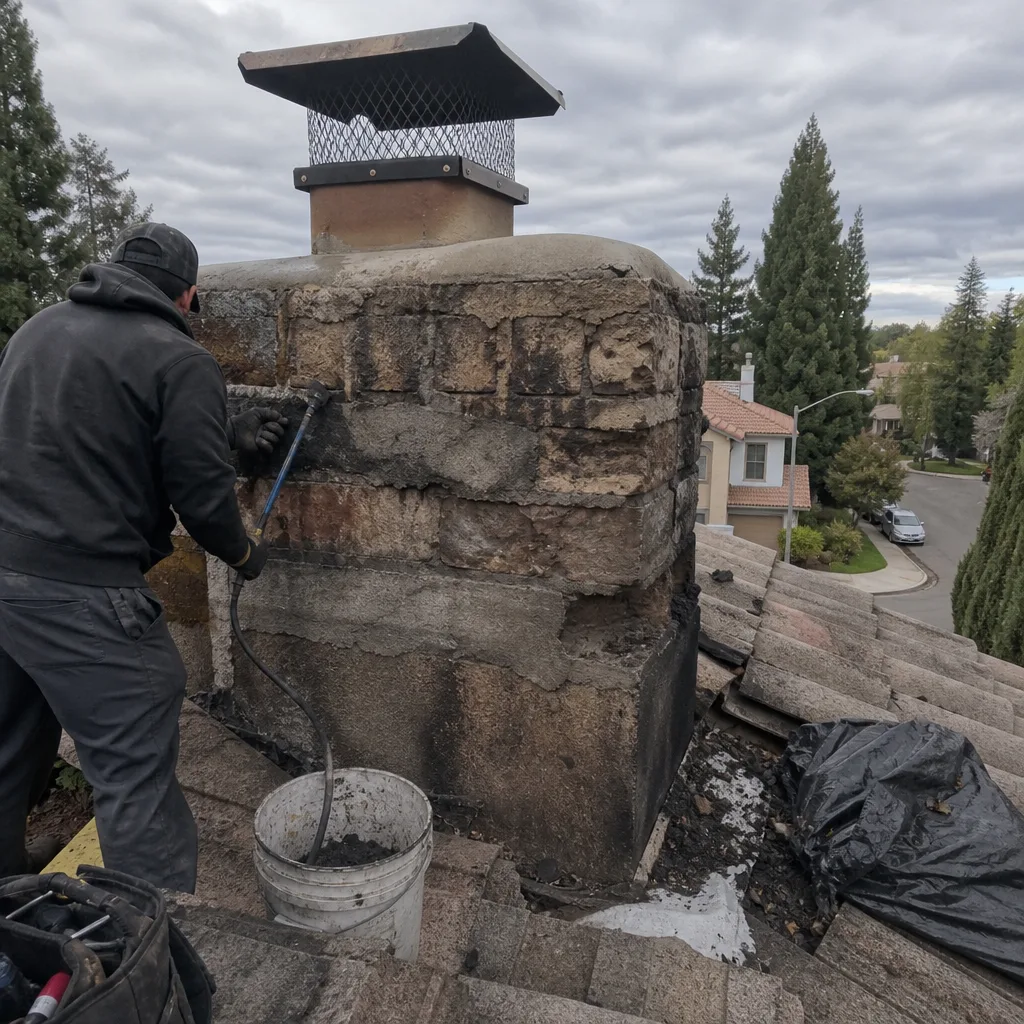 Before
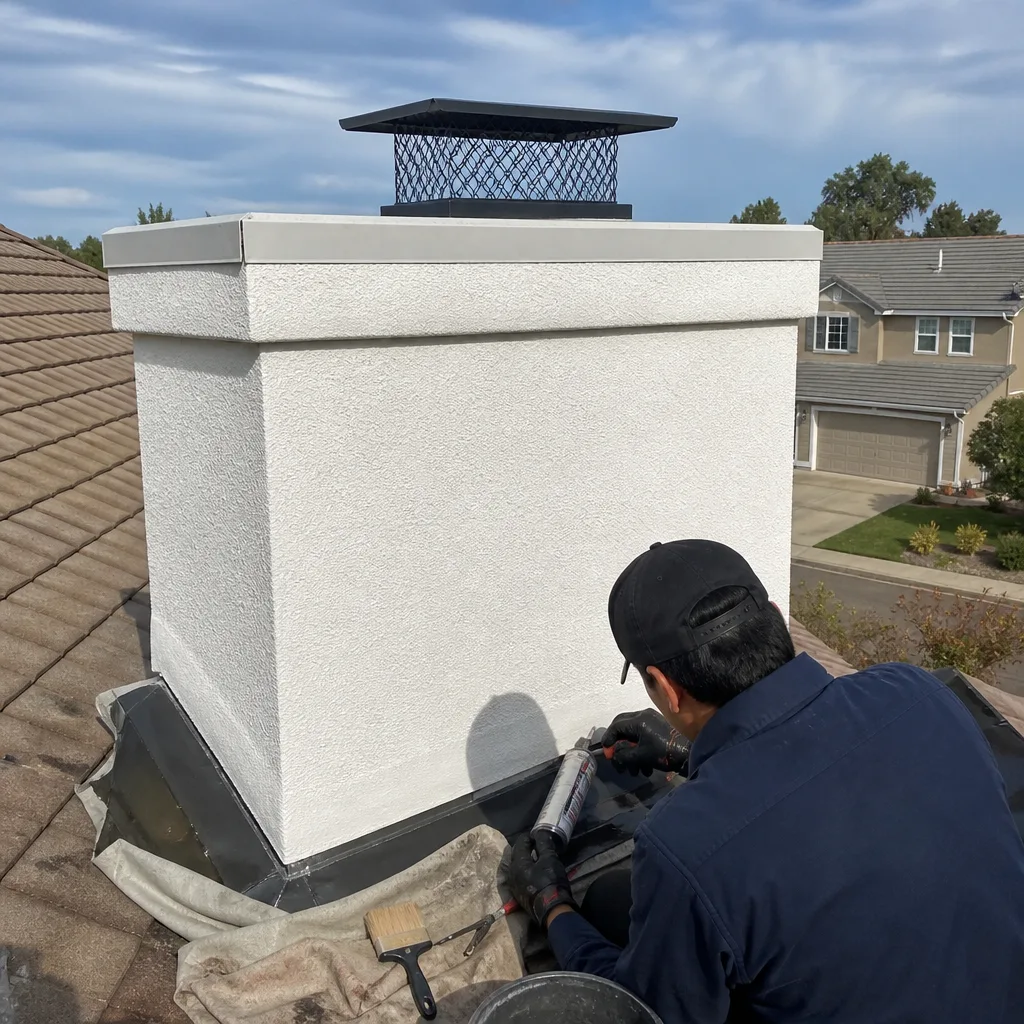 After
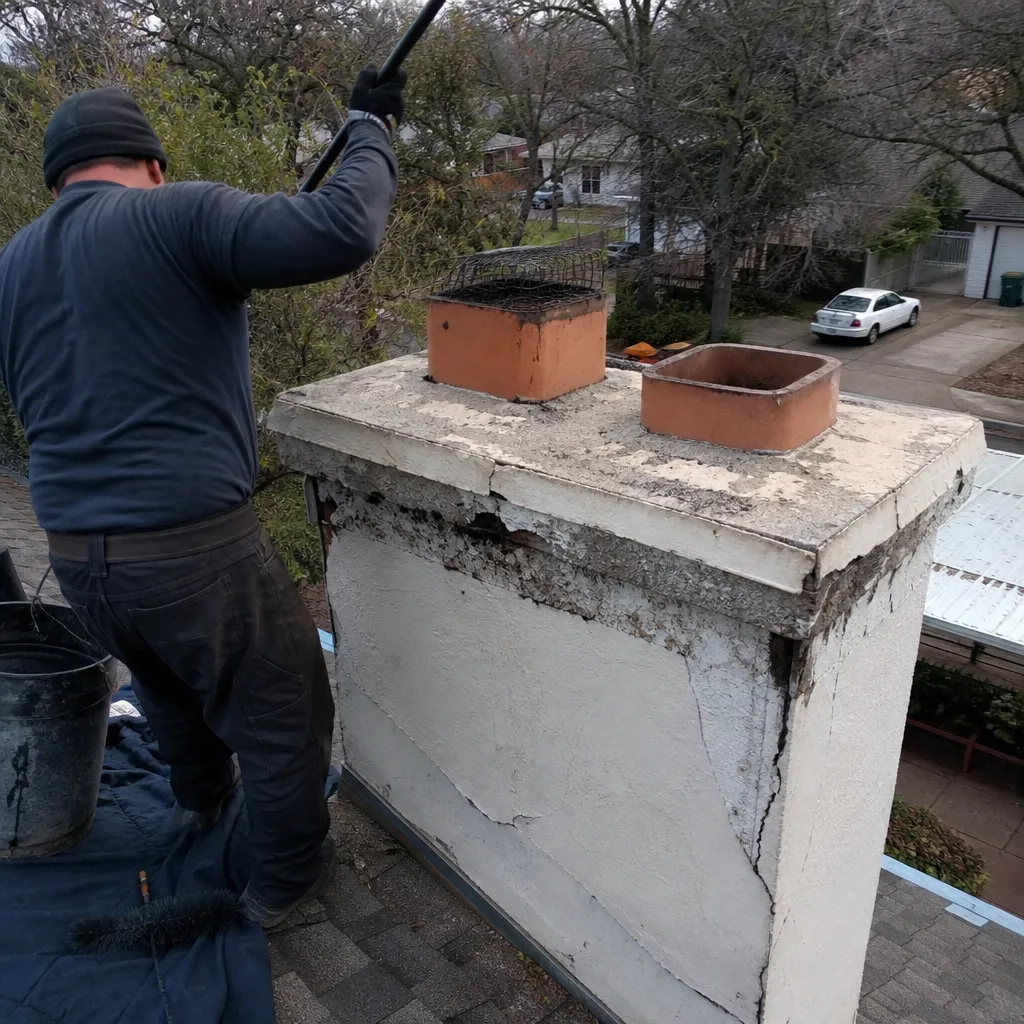 Before
 After
 Before
 After
When to Call a Professional
Call a chimney professional when you see shiny black glaze in your flue, when you smell smoke in the house after a burn, when the chimney has visible cracks in the crown or mortar, when you’ve burned more than 40 fires since the last cleaning, when you don’t know when the last cleaning was, or when you’ve bought a home with a fireplace and no inspection record. You should also call if your dryer vent hasn’t been cleaned in over a year, if the dryer takes longer than one cycle to dry clothes, or if the dryer exhaust smells hot or musty during operation. Chimney Sweep Folsom offers free estimates in Folsom, call (833) 589-9896.
Frequently Asked Questions
A standard chimney sweep in Folsom typically runs between $180 and $340 depending on the flue condition, the amount of creosote buildup, and whether additional services like camera inspection or cap cleaning are added. Homes that haven’t been swept in multiple years or that have heavy glaze often cost more than routine annual cleanings. Call (833) 589-9896 for an exact quote based on your fireplace and flue type.
Once per year is the minimum for any fireplace in Folsom that’s used regularly, and that annual sweep is best scheduled in August or September before burning season starts. Homes that burn more than 40 fires per winter or burn primarily softwood often need a mid-season cleaning too. If you skipped a year or don’t know the chimney’s history, have it inspected before the first fire of the season.
You need a new liner if a camera inspection shows cracks, gaps, or deterioration in the existing flue. A cracked clay tile liner lets heat and gases reach the surrounding framing, and no amount of sweeping fixes that. In Folsom, the stock answer from a company that only sweeps is sometimes “you need a new liner” because they don’t have an alternative or know the Chimney Cleaning Permits, Codes & Inspections in CA: What You Need to Know requirements for relining. HeatShield resurfacing can restore many aging liners without a full tear-out, and we’ll show you the camera footage before recommending anything. Nothing gets recommended without visual evidence you can see yourself. Call (833) 589-9896 to schedule a camera inspection.
Creosote accumulates with every burn, and in Folsom’s dry heat it cures into a highly flammable glaze. If that glaze ignites, a flue fire can reach temperatures above 2,000°F, cracking the liner, warping the damper, and in some cases spreading to the home’s framing. Even without a fire, a blocked or restricted flue forces smoke and carbon monoxide back into the house. The risks compound with every season skipped.
You can buy a brush-and-rod kit and attempt it from the roof, but removing creosote from a flue and verifying the flue’s condition are different things. A visual sweep from the top doesn’t tell you what’s behind the damper, inside the smoke shelf, or in the flue’s upper third where most Folsom chimney fires start. A professional cleaning includes camera inspection in most cases, and that’s where the real value is. The brush work is a small part of the service.
Yes. Lint accumulates inside the vent pipe even when the dryer appears to work normally, and lint is one of the most combustible materials in your home. The telltale signs of a blocked vent, longer drying times, a hot dryer exterior, a musty smell in the laundry room, often appear only after the blockage is already significant. Folsom’s dry climate makes lint especially dangerous because it’s already at low moisture content, which means it ignites more readily. Dryer Vent Cleaning in Folsom should be part of your annual home maintenance, ideally at the same time as your chimney sweep.
The Bottom Line
Folsom’s climate demands a chimney maintenance calendar that’s built around our weather, not a generic four-season template. Book the annual sweep in August or September, before the fall rush and while the flue is dry and accessible. Check the crown and cap during summer heat waves, when UV and thermal cycling do their worst. Watch El Niño and La Niña patterns to know whether to prioritize moisture protection or creosote management for the winter ahead. Clean the flue after the burning season if you burn heavily, not just before the next one. And when you do call a professional, call one who can sweep, repair, and reline, and who handles dryer vents too, so one visit covers the whole exhaust and venting system. One call to (833) 589-9896 gets you on the calendar with a Folsom team that does all of it.
Written by the team at Chimney Sweep Folsom, serving Folsom since 2011.