
Last updated November 2, 2026
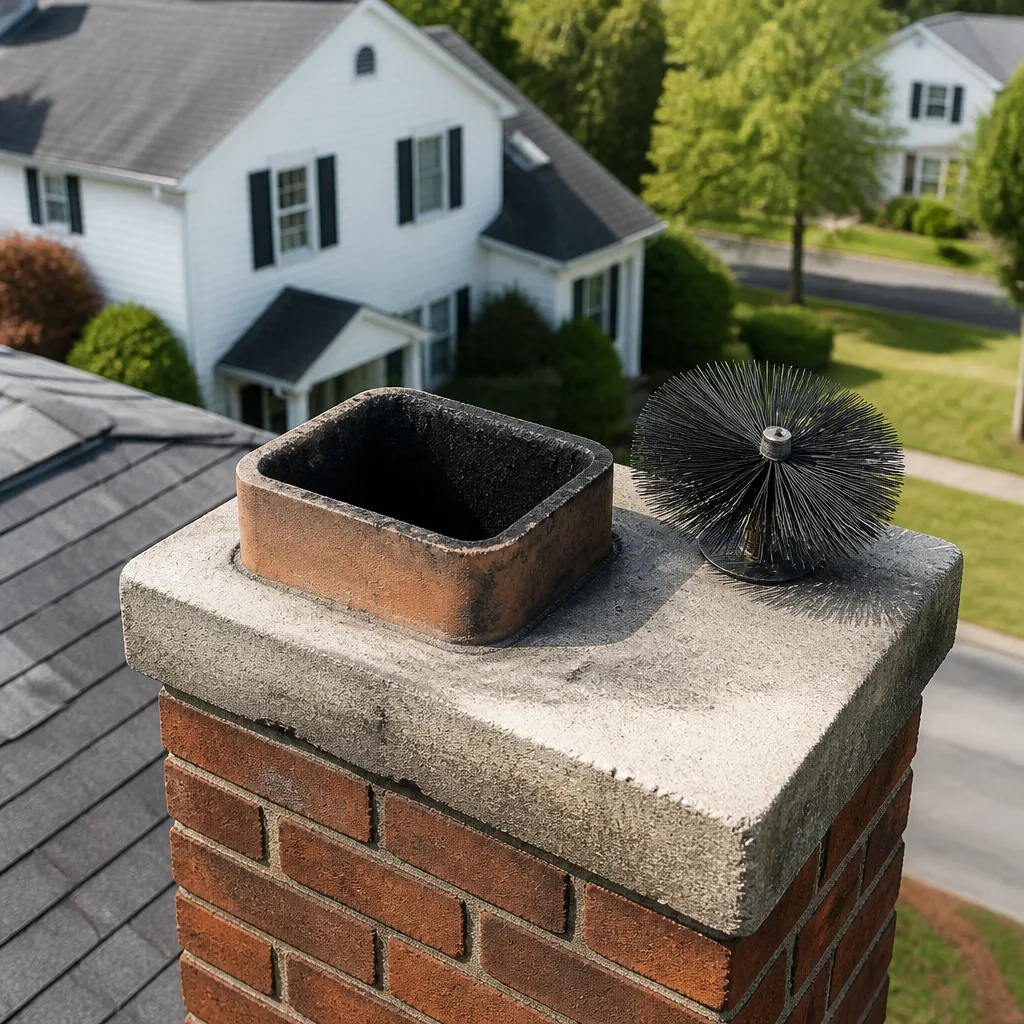 Sweep & inspection
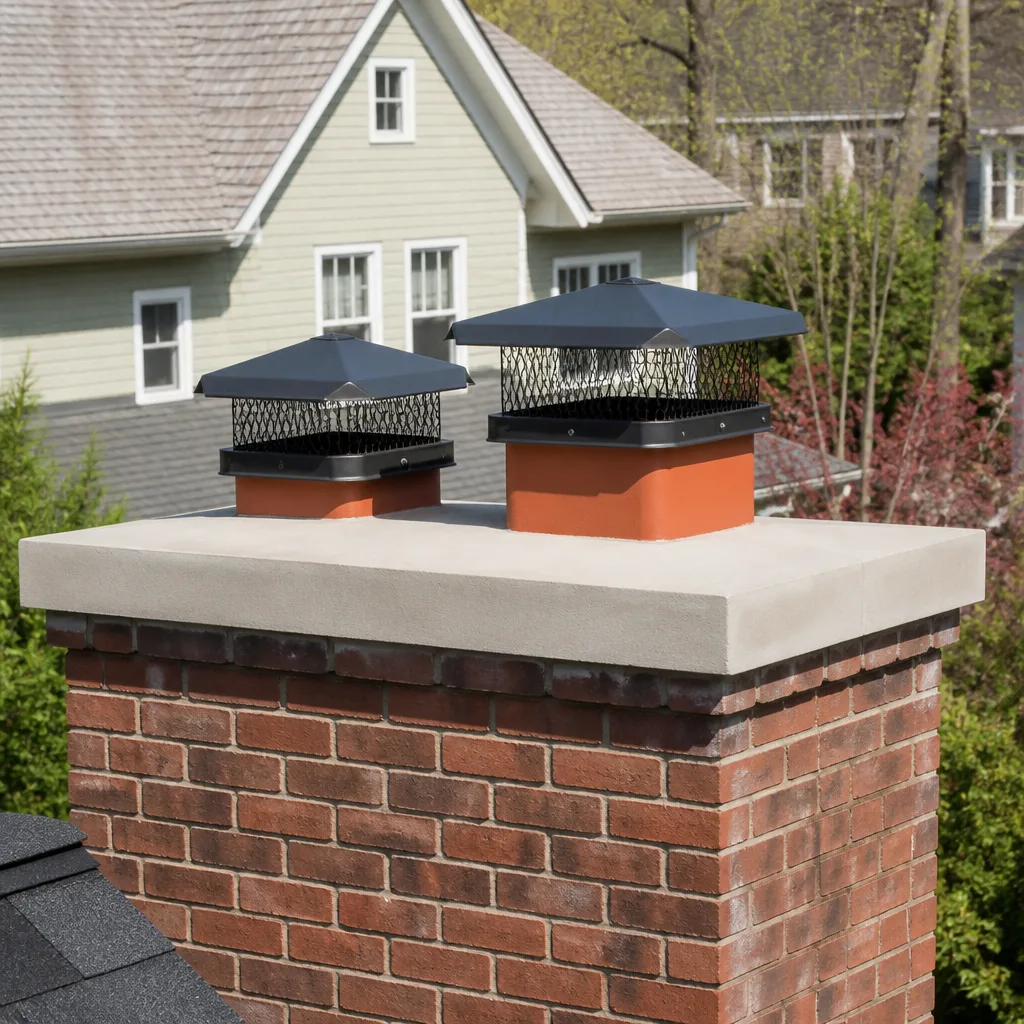 Caps & crowns
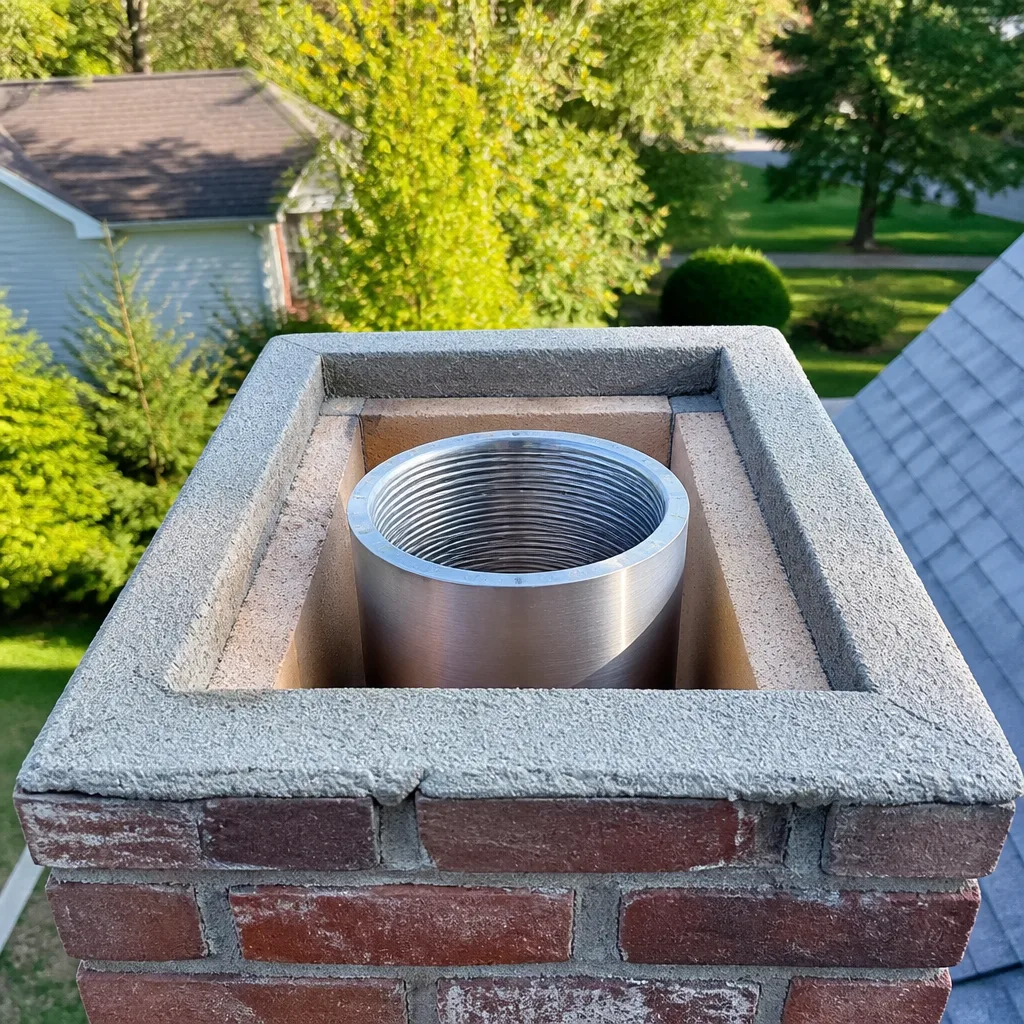 Flue relining
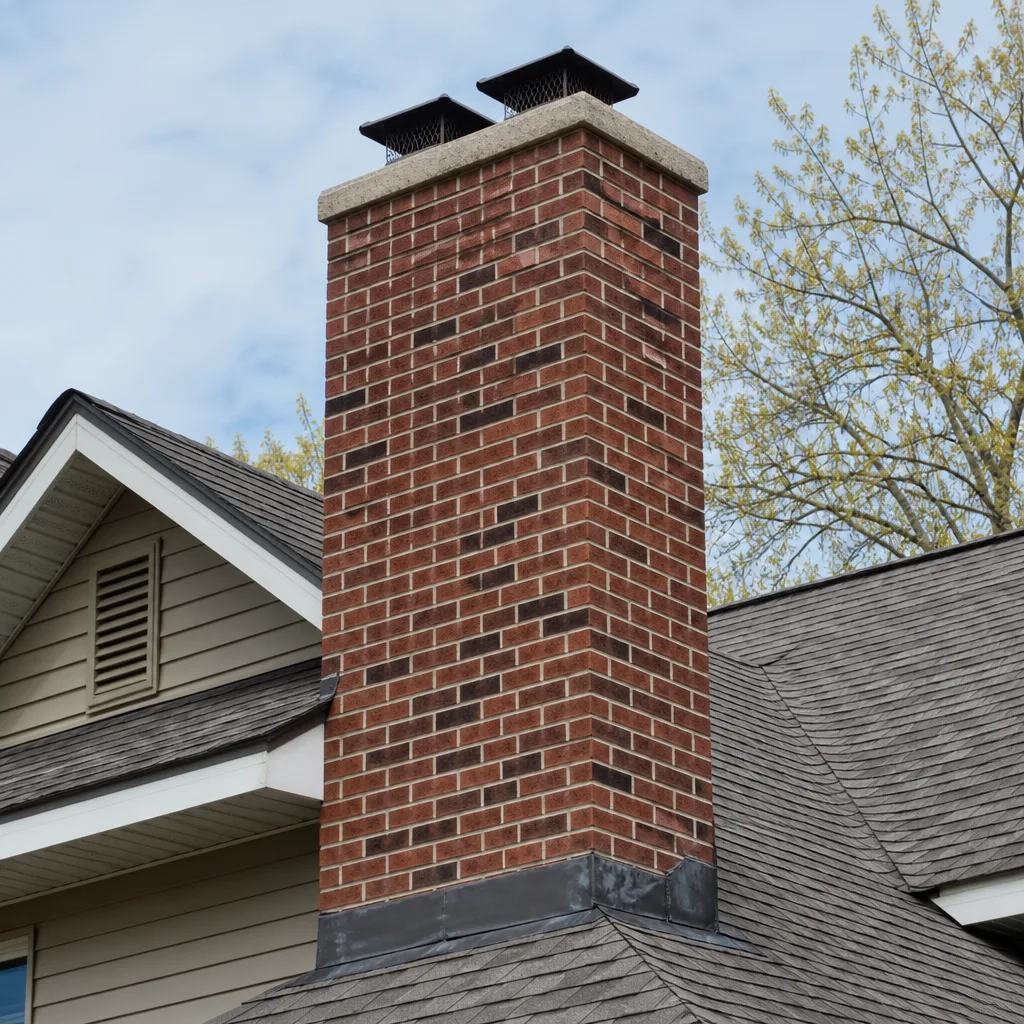 Masonry repair
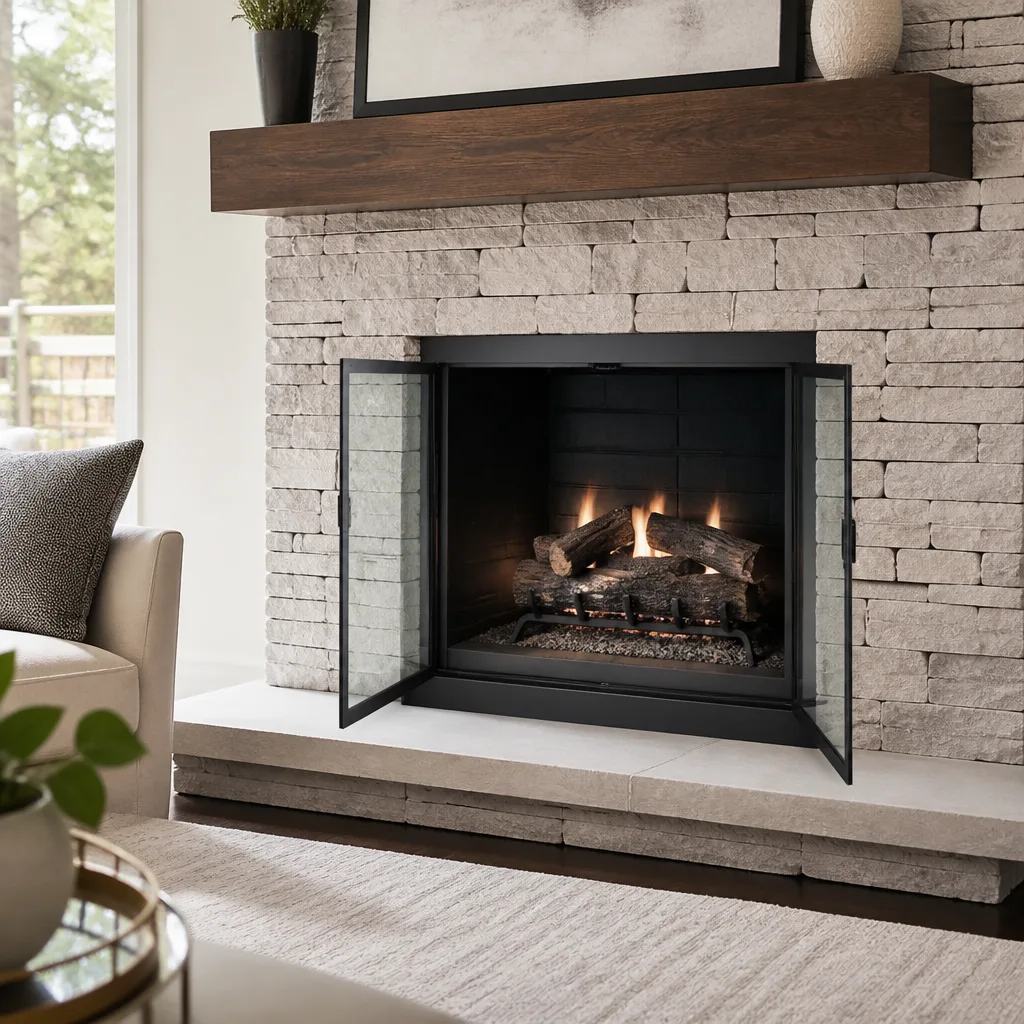 Gas fireplace service
Level 1 sweep and inspection to the NFPA 211 annual standard - flue, crown, cap, and flashing checked and photographed
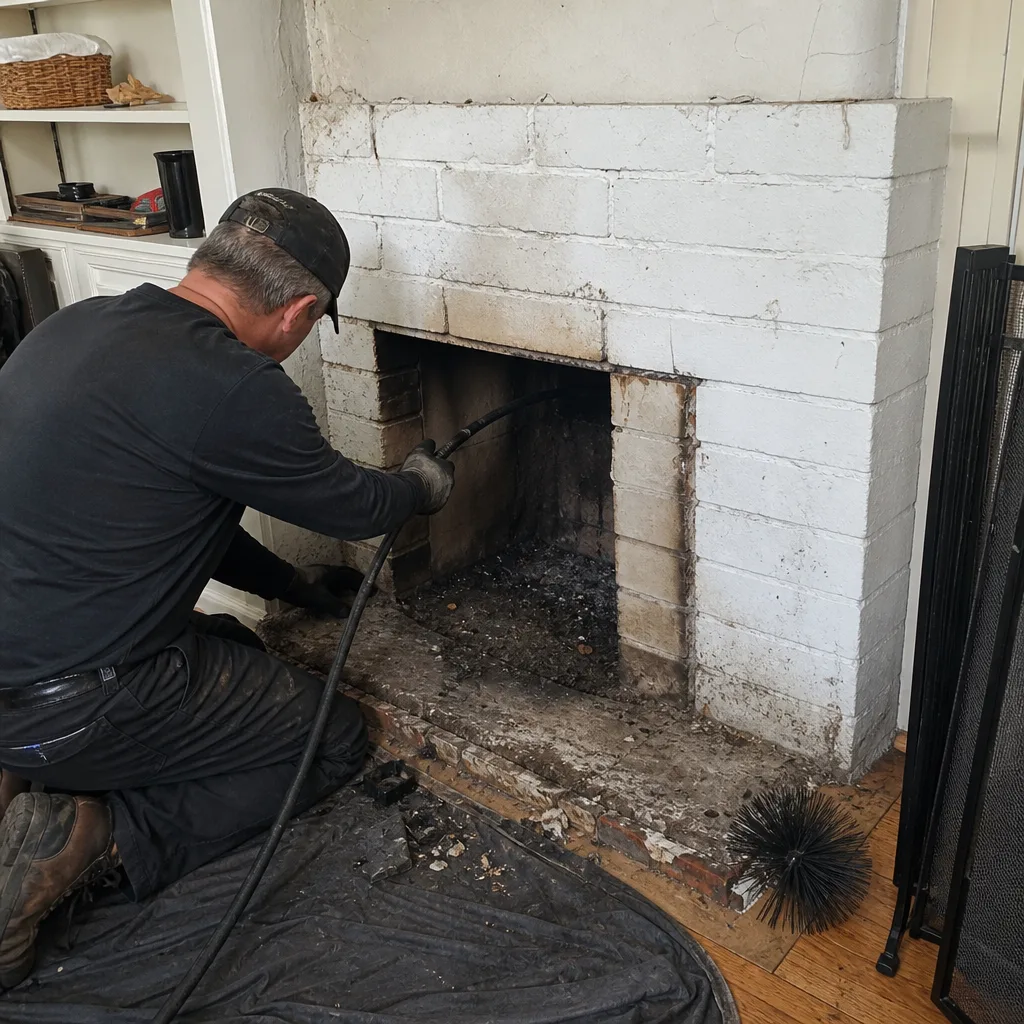
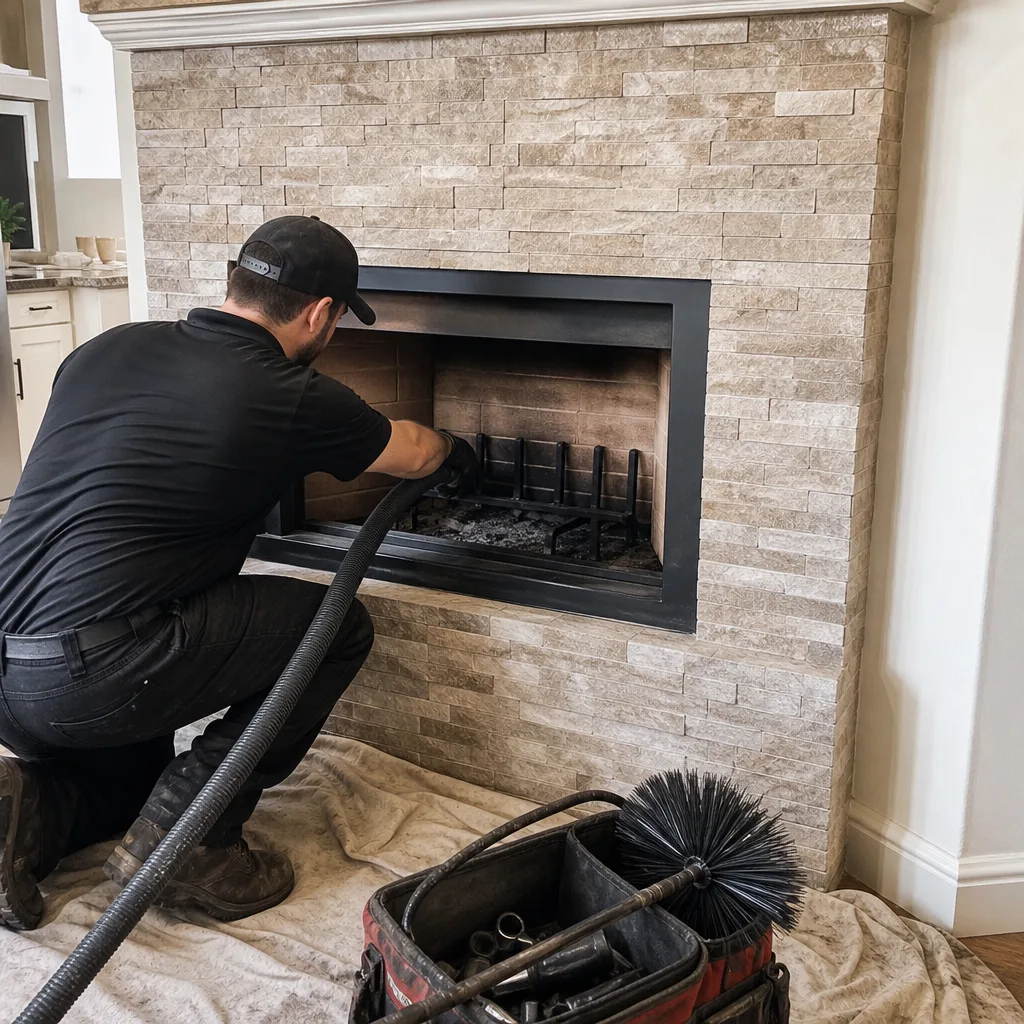
Chimney sweep logs do not sweep chimneys. They loosen some creosote - which then falls where a brush and vacuum still have to collect it.
Chimney Cleaning Warning Signs: A Folsom Homeowner’s Reference Guide
A white stain running down your chimney’s exterior brick isn’t cosmetic. It’s efflorescence, and it means water is moving through your masonry and dissolving the mortar from the inside out. Most Folsom homeowners never see the early warning signs of a chimney problem because they’re looking in the wrong places, or assuming that if the fireplace lights and the smoke goes up, everything is fine. This guide is built for the homeowner who wants to be an informed observer between professional visits. We’ll walk through the subtle indicators visible from your living room, your roof, and your yard, and help you know which ones mean “schedule a sweep” versus “stop using the fireplace tonight.”
Styles & brands we work with
- Sweep & inspection
- Caps & crowns
- Flue relining
- Masonry repair
- Gas fireplace service
Quick Answer
The most common chimney warning signs in Folsom homes are a strong creosote odor that gets worse with humidity, smoke staining above the firebox opening, flaking or spalling brick near the crown, and a draft that pulls inconsistently depending on the weather. If you notice any of these, stop using the fireplace and call a professional. Routine sweeping every 40 to 60 fires prevents most of what we’re about to describe.
Table of Contents
- The Odor Profile: What Your Nose Knows Before Your Eyes Do
- Interior Visual Indicators You Can See Without Special Equipment
- Draft Problems as a Diagnostic Tool
- Exterior Warning Signs Hidden by Folsom’s Tree Canopy
- DIY-Addressable vs. Stop-Using-the-Fireplace Situations
- Gas Inserts and Manufactured Fireplaces: Different Signs, Same Stakes
- The Overlooked Relative: Dryer Vent Warning Signs
- Common Mistakes to Avoid
- When to Call a Professional
- Frequently Asked Questions
- The Bottom Line
The Odor Profile: What Your Nose Knows Before Your Eyes Do
Every chimney has a smell. Most are faint enough that you never register them. When a chimney needs attention, the odor profile shifts, and learning to distinguish the three main smell signatures tells you what kind of problem you’re dealing with before anyone has looked inside the flue.
Creosote odor is the one most people describe as “a campfire that never went out.” It’s acrid, tar-like, and slightly sweet in an unpleasant way. In Folsom’s dry summers, creosote deposits inside the flue warm up and release volatile compounds that drift into the living space through the firebox opening. The smell tends to intensify on hot afternoons and after rain, because moisture activates the aromatic compounds in the creosote. If you notice the smell getting stronger when the weather shifts, you’re probably smelling creosote, and you’re probably overdue for a Chimney Sweep in Folsom.
Moisture odor reads differently. It’s musty, mildew-adjacent, and often concentrated near the base of the fireplace or the wall surrounding the chimney chase. This smell means water is getting in somewhere – through a cracked crown, damaged flashing, or porous brick – and sitting inside the masonry. In Folsom, the winter rain season from November through March is when this smell typically appears or worsens. Moisture odor doesn’t go away with a sweep alone; the water entry point has to be found and corrected.
Animal intrusion odor has a distinct character that’s hard to mistake once you’ve smelled it. It’s organic, fecal, and often accompanied by a faint ammonia note. Birds, squirrels, and raccoons regularly nest in uncapped chimneys throughout the Folsom area, particularly in older neighborhoods with mature oak and pine trees close to rooflines. If you hear scratching, fluttering, or chirping along with the smell, you have a live animal and should not attempt to smoke it out or remove it yourself. A capped chimney prevents this entirely.
What matters here is paying attention to changes. If your fireplace has always been odor-neutral and suddenly isn’t, something inside the chimney has changed. Trust that signal.
Interior Visual Indicators You Can See Without Special Equipment
You don’t need a camera or special training to spot several chimney warning signs from inside your home. You need a flashlight, a kneeling pad, and about ten minutes of patient looking. Here’s what to check and what each finding suggests.
Smoke staining above the firebox opening. Look at the face of the fireplace, above the opening where the smoke enters the flue. A light gray or brown bloom spreading across the brick or stone means smoke has been spilling into the room at some point, even briefly. This can indicate a flue obstruction, a damper that isn’t opening fully, or a fireplace that draws poorly by design. In homes across Folsom where fireplace dimensions were sized for decades-old expectations, this pattern is more common than homeowners assume. Staining doesn’t necessarily mean the chimney is unsafe today, but it means the venting system is not performing cleanly, and the cause should be identified.
Glazing color on the firebox walls. Shine your flashlight up into the firebox and look at the walls above the grate. Creosote deposits come in three forms: first-degree creosote is loose, flaky, and gray or brown; second-degree is dense, black, and tar-like; third-degree is thick, hardened, and looks like a glossy black coating baked onto the surface. Third-degree creosote is the most hazardous form because it acts as fuel, and it usually requires mechanical removal or chemical treatment before it can be fully cleared. If you’re seeing anything that looks shiny, stop using the fireplace and get a professional assessment.
Debris in the firebox. After the burning season ends, inspect the floor of the firebox. Small amounts of ash are normal. What you’re looking for is anything else: twigs, leaves, nesting material, feathers, eggshell fragments. Any of these means the chimney cap is missing or damaged and animals have had access. Debris that crumbles when touched and smells musty is often old nesting material that has been sitting in the flue for months.
Rust on the damper or firebox accessories. If the metal damper plate or the grate shows rust spots, moisture is entering the flue regularly. Surface rust on a damper is a tell-tale sign of water intrusion, and water intrusion in a masonry chimney accelerates the deterioration of mortar joints on a cycle that gets worse every winter Folsom gets.
Draft Problems as a Diagnostic Tool
A fireplace that drafts inconsistently is sending you information. The task is learning to read it.
Draft is the difference in air pressure between the inside of the flue and the air outside. Warm air rises, and a properly sized flue channels that rising air into a steady upward pull. When something disrupts that pull, the smoke can’t make the trip, and the fireplace lets you know by spilling smoke into the room or refusing to start cleanly.
Here are the specific draft scenarios we see in Folsom homes, and what they typically mean:
- The fire starts fine, then starts smoking after 20 to 30 minutes. This pattern usually points to a flue obstruction that opens up as the flue heats and expands, or a damper that was partially closed and gets bumped as the fire shifts. It can also mean the chimney is tall enough to draw but the firebox opening is proportionally too large for the flue, a condition common in older Folsom homes built before modern firebox sizing standards. A smoke guard or firebox modification sometimes solves this, but the diagnosis requires looking at the flue dimensions, not the fire.
- The fire smokes only on cold, still days. Cold air sitting in the flue creates a plug of dense air that warm smoke can’t push through. This is a classic cold-start draft inversion. It’s often worse in Folsom during December and January mornings when the nighttime temperature drops sharply. The fix may be as simple as a longer pre-heating routine or a top-sealing damper, but persistent inversion can also indicate an oversized flue that never gets warm enough to establish a strong pull.
- The fire smokes when the furnace or bathroom fan runs. This is a negative pressure problem, not a chimney problem. Modern Folsom homes are built tighter than older ones, and when mechanical systems exhaust air from the house, replacement air gets pulled down the path of least resistance, which is sometimes the chimney. A make-up air vent or a small window cracked during fires often resolves it. The chimney itself is functioning; the house is competing with it.
- The fire never draws, no matter what. A chimney that consistently refuses to draw usually has a serious obstruction: a collapsed flue liner, a deep animal nest, or accumulated debris from years without sweeping. This is not a maintenance situation. Stop using the fireplace and have it inspected before any further attempt.
- The draft is strong, but smoke still enters the room around the sides of the damper. This points to a damper that isn’t seating correctly or is warped. A damper replacement is a modest repair, but an improperly functioning damper also leaks heated air from your home up the chimney all winter, which is a compounding energy cost.
In our experience, draft complaints are rarely solved without looking at the whole system: flue dimensions, damper condition, cap presence, and house pressure dynamics. A chimney sweep in Folsom who examines only the flue and not the firebox and the roofline is missing half the picture.
Exterior Warning Signs Hidden by Folsom’s Tree Canopy
Folsom is a city of oaks and pines. The tree canopy that makes the neighborhoods on both sides of Highway 50 so appealing is also a liability for chimney exteriors, because it hides damage from view until the damage is advanced.
Here are the exterior warning signs to look for, and how to actually see them despite the trees:
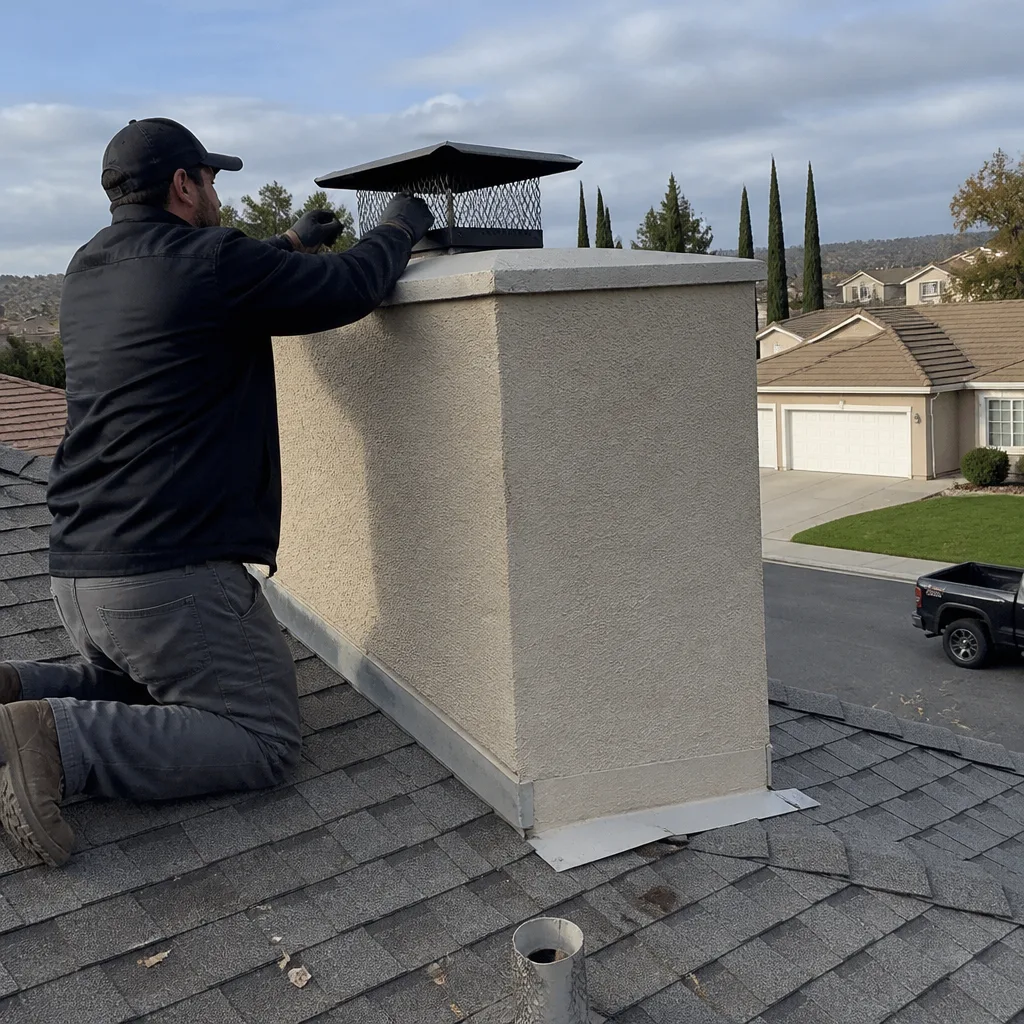
Cracked or deteriorated crown. The crown is the concrete or mortar cap at the top of the chimney that sheds water away from the flue opening. Cracks in the crown let water run directly into the chimney structure. From the ground, a cracked crown is almost invisible. You need to get on the roof or use binoculars from the yard. In Folsom, crown damage is common in homes built in the 1980s and 1990s, when crown pours were often thinner and less reinforced than modern practice. A crown with spider-web cracking is moving toward replacement; a crown with missing chunks is already there.
Spalling brick near the crown. Spalling is when the face of the brick flakes off, leaving raw, pitted brick beneath. It’s caused by water freezing and thawing inside the masonry, and while Folsom’s winters are milder than many parts of the country, overnight freezes do happen, particularly in the foothill-adjacent neighborhoods. Spalling concentrated in the top 18 inches of the chimney signals chronic crown leakage. Spalling lower on the chimney can mean the mortar joints have failed and water is penetrating from multiple points.
Damaged or missing cap. The chimney cap is the metal hood that sits above the flue opening. If it’s knocked askew, rusted through, or gone entirely, you have an open flue exposed to rain, leaves, and wildlife. A missing cap is one of the most common findings in older Folsom homes, and it’s also one of the most consequential, because it converts routine rain exposure into interior water damage. Replacement caps sourced from manufacturers like Gelco or Famco are commercial-grade stainless or copper and typically outlast the bargain caps sold at big-box stores; for help selecting the right option, see Choosing the Right Chimney Cleaning Brand: A Buyer’s Guide for Folsom.
Efflorescence. That white, chalky staining mentioned in the opening of this guide is the diagnostic gift that keeps giving. Efflorescence is dissolved salt being carried to the surface of the brick by water moving through the masonry. It’s not a surface stain you can power-wash away and forget; it’s proof of a moisture pathway. The pattern of efflorescence tells you where the water is entering and where it’s going. A broad, diffuse bloom across the chimney face suggests general moisture saturation; a defined streak below the crown points to a crown crack; vertical tracks running down one corner often trace a flashing failure where the chimney meets the roofline.
Here’s the practical problem: most of these signs are invisible from the living room, and many are invisible from the front yard. If you haven’t looked at your chimney from the roof or with binoculars in the last two years, you haven’t actually checked it. A Chimney Repair in Folsom inspection includes a full exterior evaluation, and it’s the most direct way to clear the uncertainty.
DIY-Addressable vs. Stop-Using-the-Fireplace Situations
Not every warning sign requires a professional visit. Some are maintenance items any capable homeowner can handle. Others mean the fireplace should go cold until a sweep has evaluated the system. Knowing the difference saves money and prevents fires.
DIY-addressable warning signs (handle these yourself, safely):
- Replacing a missing or damaged chimney cap with a correctly sized model. This is a roof-access job, so safety gear and ladder discipline apply, but the work itself is straightforward.
- Clearing leaves and pine needles from the chimney crown and the area around the cap. A crown buried in debris holds moisture against the masonry and accelerates deterioration.
- Trimming tree branches that overhang the chimney and drop debris into it. In Folsom’s heavily treed neighborhoods, this is a recurring seasonal task.
- Installing a firebox screen or glass door to prevent embers from escaping into the room. Good fire screens are available at any fireplace supply store.
- Pre-warming the flue on cold-start days by holding a lit roll of newspaper up near the damper for a minute before lighting the main fire.
Stop-using-the-fireplace warning signs (call a professional before the next fire):
- Shiny, tar-like creosote deposits visible on the firebox walls or damper. Third-degree creosote is a fuel source waiting for a spark.
- Smoke persistently spilling into the room during fires, regardless of damper position or weather conditions.
- A strong creosote odor that has appeared suddenly and doesn’t fade when the fireplace is not in use.
- Visible cracks in the firebox masonry that extend through more than one brick or mortar joint.
- Rust streaks or water staining on the walls or ceiling near the chimney chase.
- Animal sounds or confirmed nesting in the flue. Animal nests are a leading cause of chimney fires.
- Any fire in the fireplace that burned unusually hot, loud, or fast, even if it was contained. A chimney fire can damage the flue liner without leaving obvious exterior evidence.
If this list seems lopsided, it’s intentional. The cost of a sweep is modest compared to the cost of a masonry repair or a house fire, and the warning signs that tell you to stop are the ones most often ignored because the fire “seems fine.”
Gas Inserts and Manufactured Fireplaces: Different Signs, Same Stakes
Many Folsom homes have traded wood-burning masonry fireplaces for gas inserts or manufactured fireplace units. These systems don’t produce creosote, which leads some homeowners to assume they don’t need attention. That assumption is wrong, and the warning signs simply look different.
For gas inserts: Watch for soot accumulation on the glass, which usually signals improper combustion or a blocked exhaust path. A lazy, yellow flame instead of a crisp blue one means incomplete burning, often because the burner or vent is dirty. If the glass fogs between the panes, the unit is drawing moisture. And if you ever smell gas without the fireplace running, leave the house and call your utility provider from outside. This is not a maintenance advisory; it’s an emergency.
For manufactured fireplaces: Look for rust on the firebox floor, warping or discoloration on the surround, and gaps between the unit and the surrounding framing. Manufactured units have venting systems that are precise about clearances and configurations, and any modification or settling that disturbs those clearances creates a fire risk. If the chase cover (the metal top above the unit’s vent) is rusted through, water is entering the chase and attacking both the vent and the surrounding framing.
Gas appliances and manufactured fireplaces still get inspected and cleaned in Folsom, usually on a somewhat longer interval than wood-burning systems. The inspection focus shifts from creosote removal to vent integrity, combustion efficiency, and clearance verification. Different warning signs, but the same rule applies: when you see them, act.
The Overlooked Relative: Dryer Vent Warning Signs
Your dryer vent moves air out of your house through a duct that runs to an exterior wall or roof. It uses no fire, yet it’s directly tied to one of the leading causes of residential structure fires in the United States: accumulated lint igniting inside the duct. Most Folsom homeowners never think about the vent until the dryer stops drying, which means they’re reacting to a symptom rather than preventing a hazard.
Here are the warning signs that your dryer vent needs attention:
- Clothes take longer than 45 to 50 minutes to dry. This is the classic early sign. A healthy vent moves moisture out; a clogged vent holds it in the drum and extends cycle times.
- The outside vent flap doesn’t open when the dryer runs. Take a look at the exterior termination point. If the flap is stuck shut or barely moves, exhaust pressure is low and the duct is restricted somewhere.
- The laundry room gets hot or humid while the dryer runs. Heat and moisture escaping into the room instead of through the vent means the exhaust path is compromised.
- You smell a burning or musty odor from the dryer area. Burning odor is lint singeing or smoldering against the heating element. Musty odor means moisture is condensing inside the duct, which creates the conditions for mold and further lint adhesion.
- Excess lint is visible around the dryer or at the exterior vent opening. Lint is escaping the system because the vent can’t carry it, and lint escaping means lint accumulating somewhere out of sight.
Dryer vent cleaning is part of the full-service approach we practice at Chimney Sweep Folsom home. It’s not an upsell; it’s a fire-safety essential that belongs in the same conversation as chimney sweeping. If your dryer has ever run through a cycle with a full lint trap and still left clothes damp, you’ve been living with a restricted vent.
Common Mistakes to Avoid
- Assuming a chimney cap is optional. It’s the cheapest component on the chimney and prevents the most expensive problems: animal intrusion, water damage, debris accumulation. A missing cap converts a routine sweep into a repair call.
- Burning wood with high moisture content. Green or unseasoned wood produces dramatically more creosote than seasoned wood with moisture below 20 percent. In Folsom, the oak available for firewood is often sold unseasoned because it hasn’t had enough time to dry. Buy early, stack it off the ground, and wait at least a full summer.
- Cleaning the firebox but not the flue. The firebox is where you see the ash; the flue is where the fire risk lives. Cleaning the visible part while ignoring the flue creates a false sense of security.
- Ignoring a musty odor because it’s not “that bad.” Moisture odor in a chimney is progressive. What starts as a smell becomes efflorescence, then spalling, then structural repair. The earlier the water entry is found, the cheaper the fix.
- Waiting for the smoke to back up before calling. Smoke backing into the room is a late-stage warning sign. By the time a chimney is smoking badly, the flue has usually been obstructed or compromised for months.
- Treating a dryer vent as unrelated to chimney maintenance. Venting systems throughout the home share common failure modes: lint, debris, animal intrusion, and restricted airflow. Addressing them together, through one Dryer Vent Cleaning in Folsom call, catches problems on both fronts.
- Assuming new construction means no chimney problems. Newer Folsom homes with manufactured fireplaces have different but equally real failure modes. Age is not a guarantee of condition.
When to Call a Professional
Call when you see smoke staining that wasn’t there before, when the fireplace smells different than it used to, when you find debris or nesting material in the firebox, when the cap is missing or damaged, when efflorescence appears on the exterior brick, or when the draft behaves erratically. Call before burning season starts, not after the first smoky fire. And call when you’d rather know than guess. Chimney Sweep Folsom offers free estimates in Folsom, and you can reach us at (833) 589-9896 to schedule a sweep, repair, or dryer vent inspection.
Frequently Asked Questions
A standard chimney sweep in Folsom typically costs between $180 and $340, depending on flue size, accessibility, and the amount of creosote buildup. Inspections, camera evaluations, and repairs are priced separately. Call (833) 589-9896 for an exact quote, estimates are free.
The National Fire Protection Association recommends a chimney inspection at least once a year, and a sweep whenever creosote accumulation reaches 1/8 inch. For wood-burning fireplaces used regularly during Folsom’s fall and winter months, that typically translates to a sweep every 40 to 60 fires, or about once a year.
Creosote smells like a stale campfire: acrid, tar-like, and slightly sweet. If you smell it inside your home, especially on warm or humid days, it means creosote deposits inside the flue are releasing vapors, and the deposits have reached a level that needs professional removal.
Yes, though less frequently and with a different focus than wood-burning systems. Gas fireplaces and inserts need vent inspection, burner cleaning, and clearance verification. Soot on glass, yellow flames, or moisture fogging are all signs that a gas appliance needs service.
Creosote accumulates in layers, and each layer becomes denser and more combustible. An uncleaned chimney eventually holds enough creosote to support a chimney fire, which can crack flue liners, damage masonry, and spread to the house structure. Moisture and animal intrusion compound the damage when the flue isn’t inspected regularly. Call (833) 589-9896 to schedule a sweep before the problem compounds.
You can perform a partial visual inspection using a flashlight: check the firebox walls for shiny creosote, the damper for rust, and the exterior chimney for efflorescence or cap damage. But the full flue length, crown condition, and liner integrity require professional equipment, including cameras and roof access. A complete inspection catches what a flashlight can’t reach.
The Bottom Line
Chimney warning signs divide into two categories: the visible ones most homeowners miss, and the invisible ones that require a professional look inside the flue. Efflorescence, smoke staining, odor changes, and draft inconsistencies are all early signals that something in the system is degrading. Acting on them early keeps repair costs low and fire risk near zero. The most reliable routine in Folsom is simple: burn seasoned wood, keep the cap intact, and schedule a professional sweep and inspection before burning season each year. For more guides & resources on keeping your chimney safe, explore our blog. Your fireplace is a structure you can’t fully see, which is exactly why trained observation matters more than good intentions.
Written by the team at Chimney Sweep Folsom, serving Folsom since 2011.
See the difference
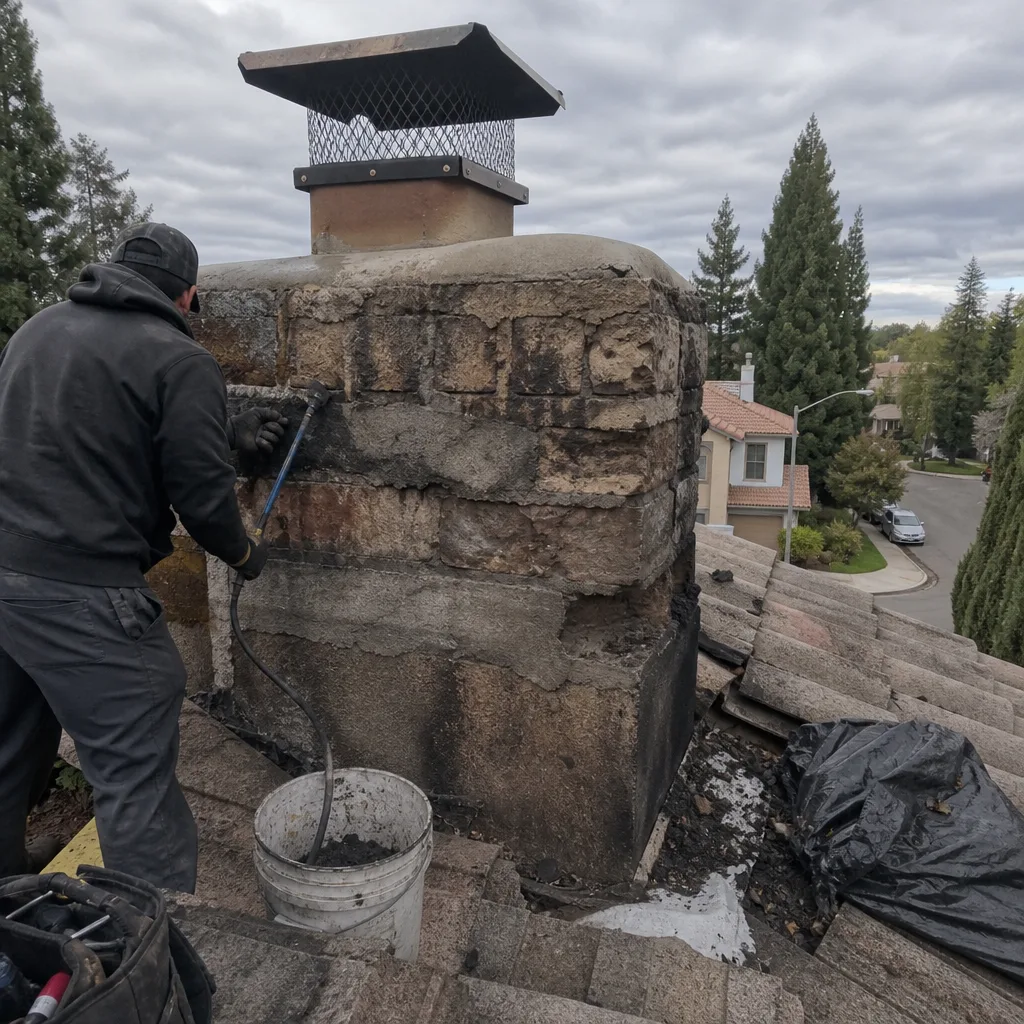 Before
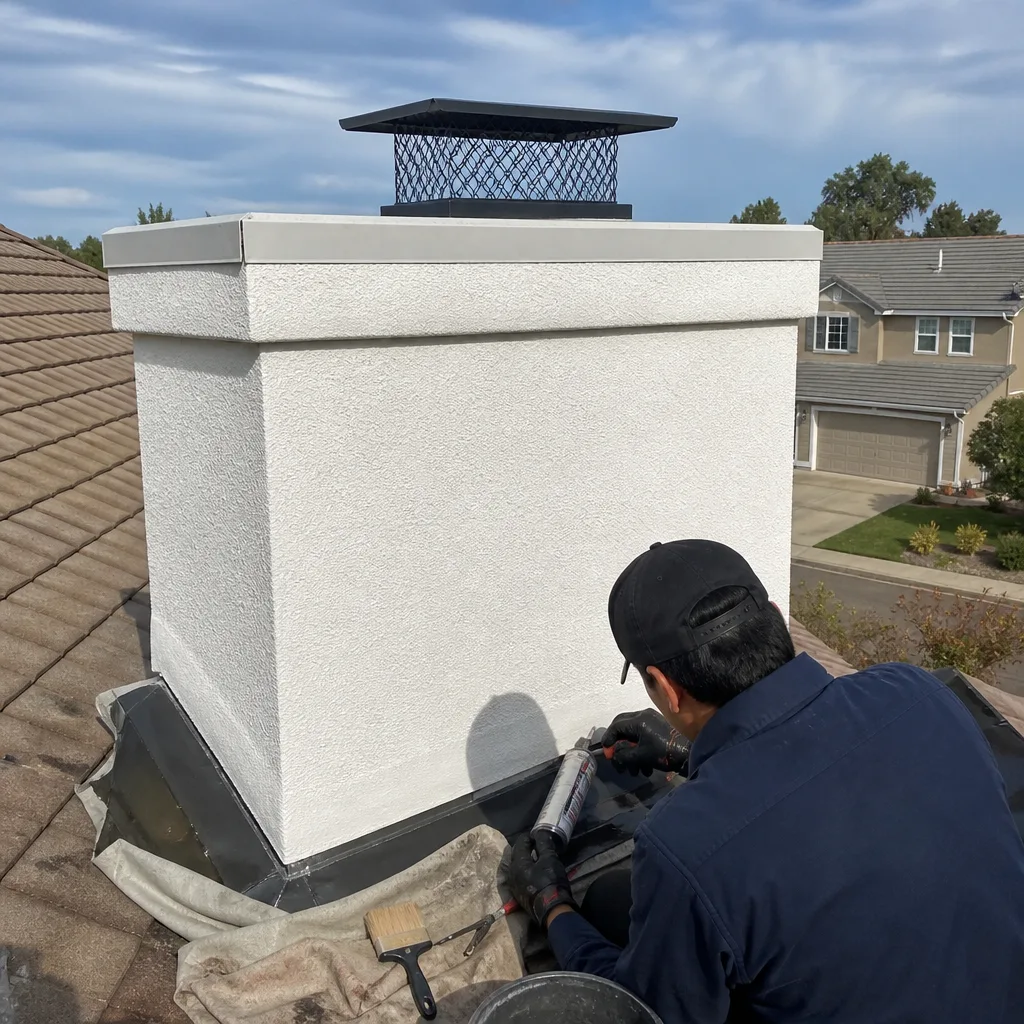 After
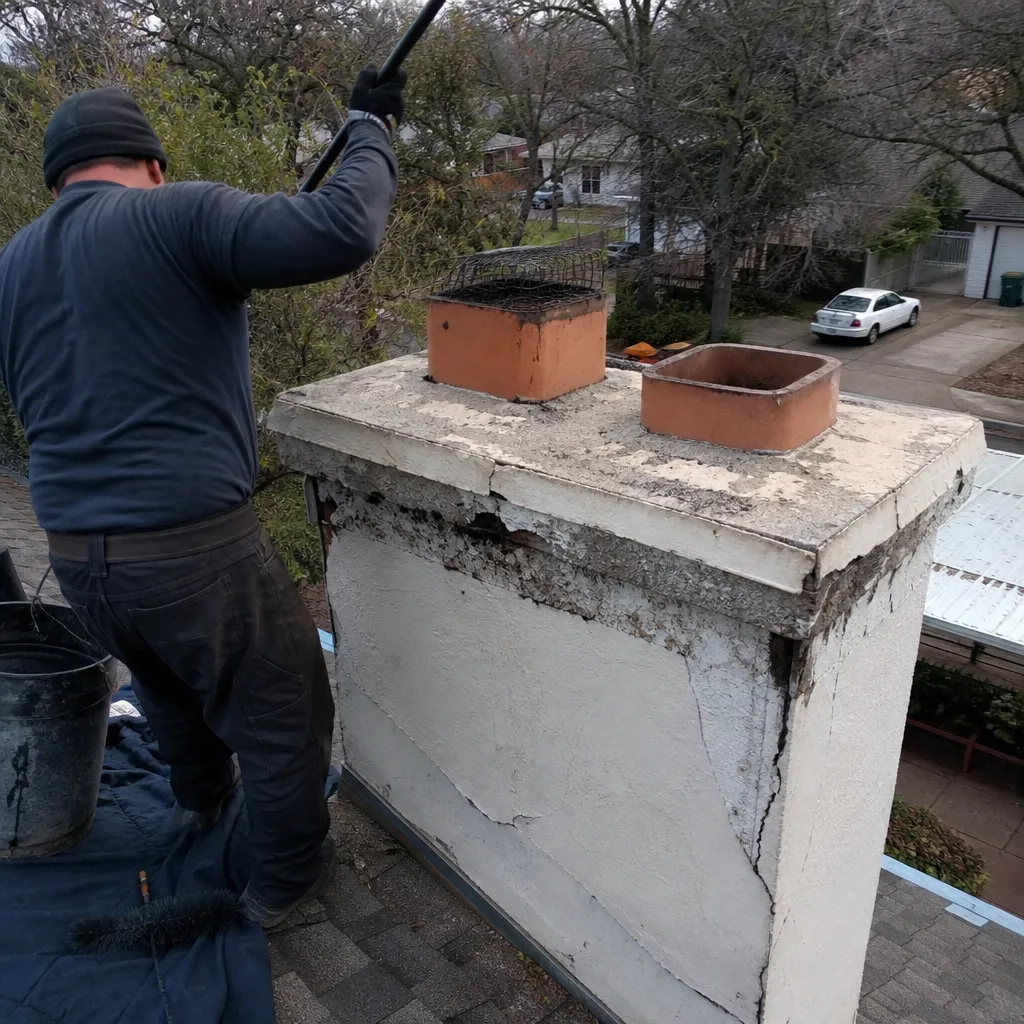 Before
 After
 Before
 After