
Last updated November 3, 2026
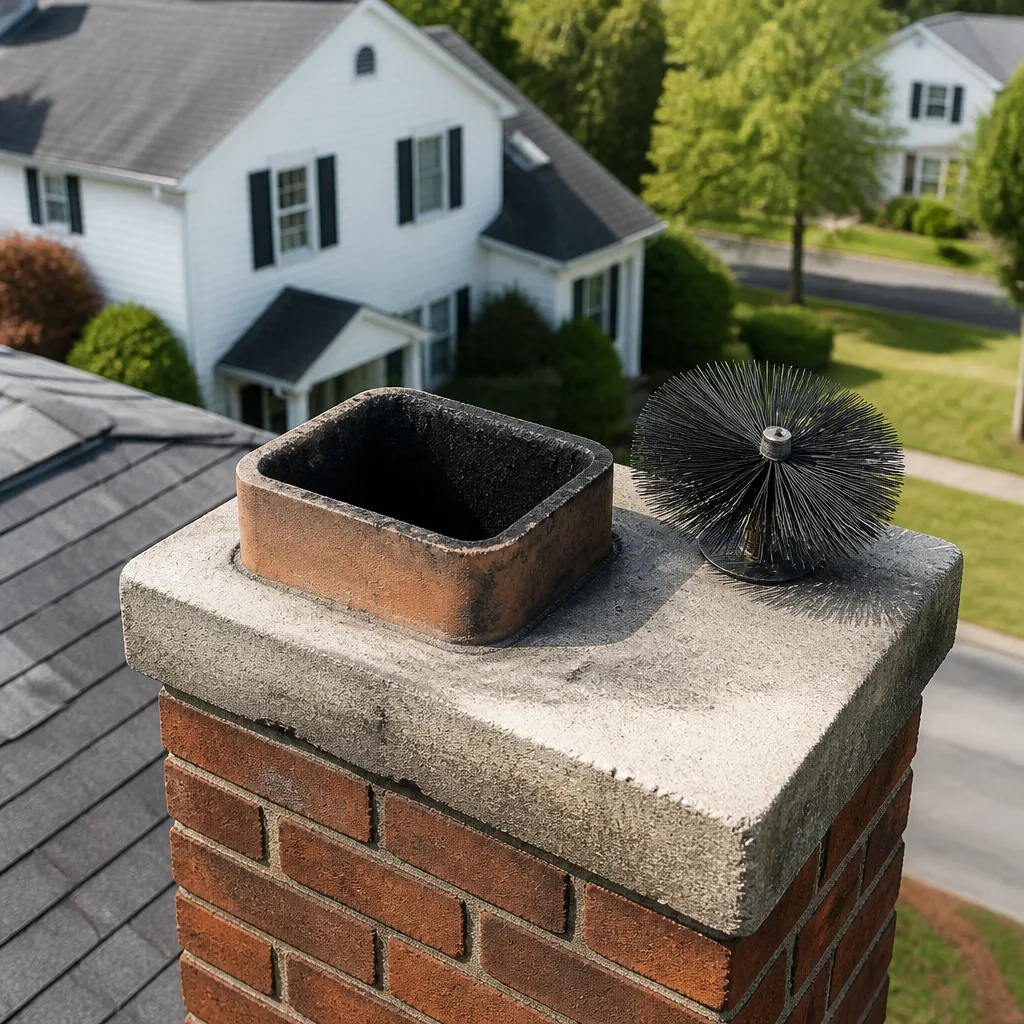 Sweep & inspection
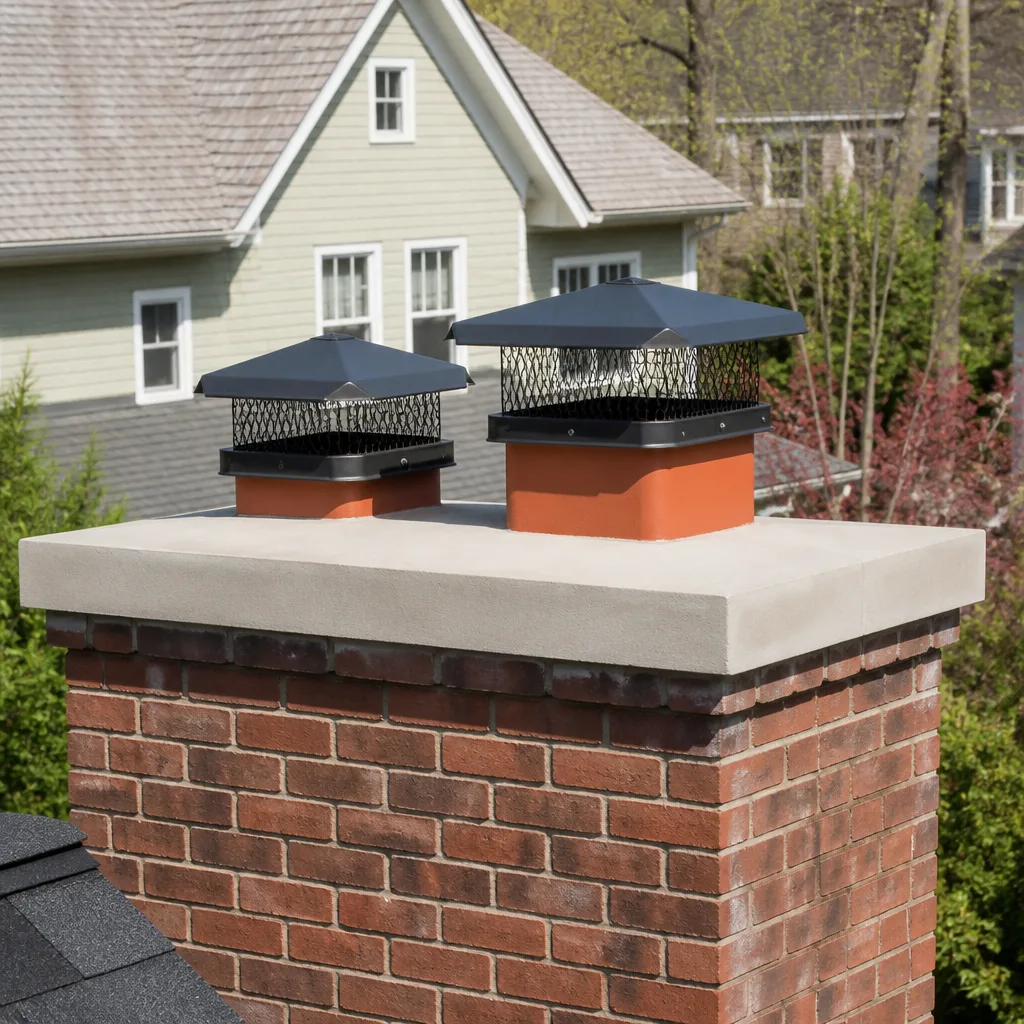 Caps & crowns
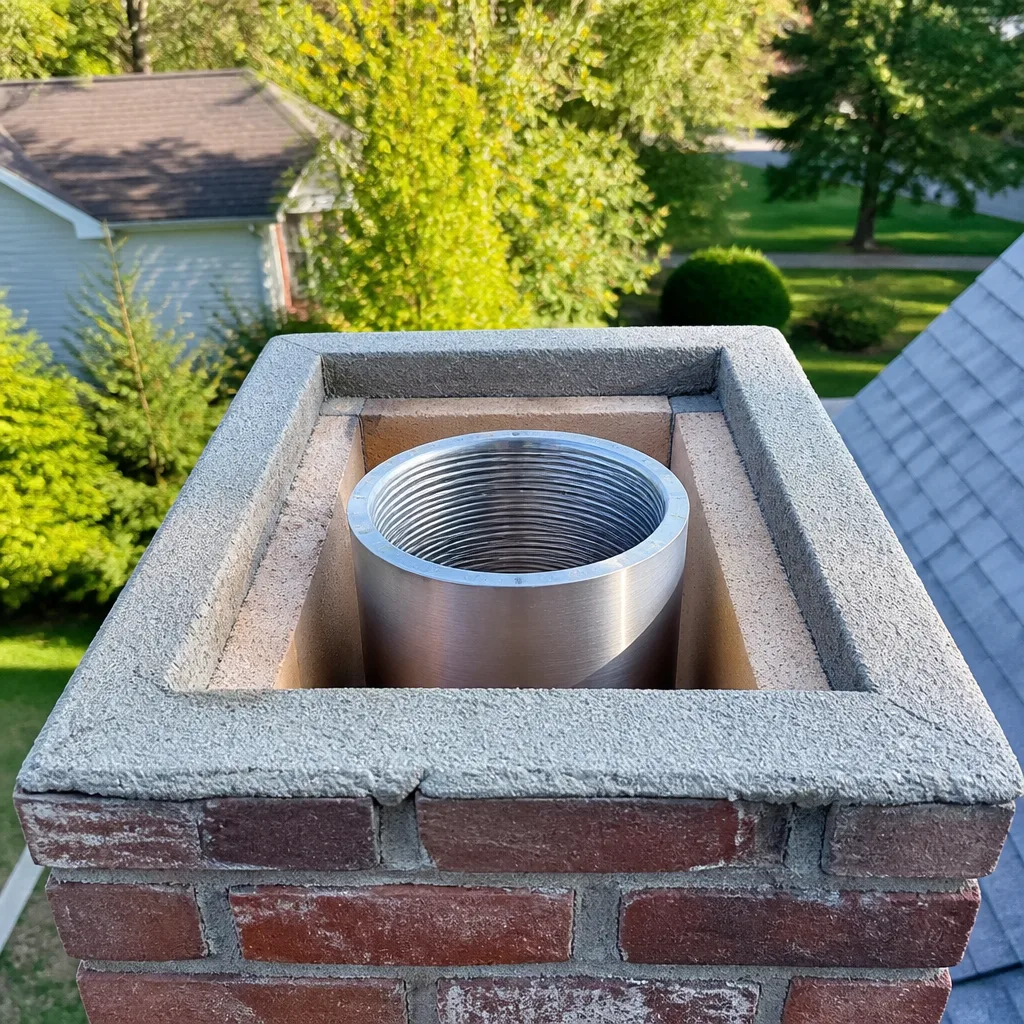 Flue relining
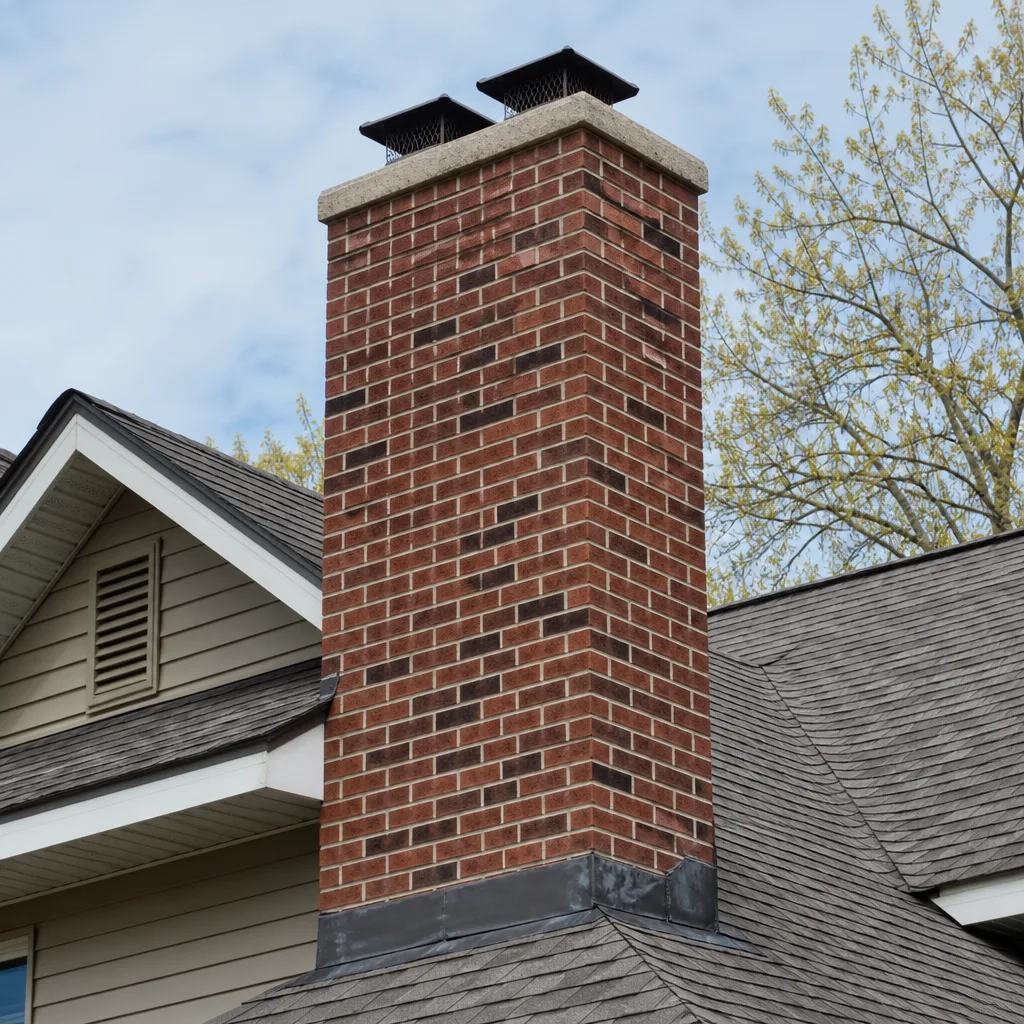 Masonry repair
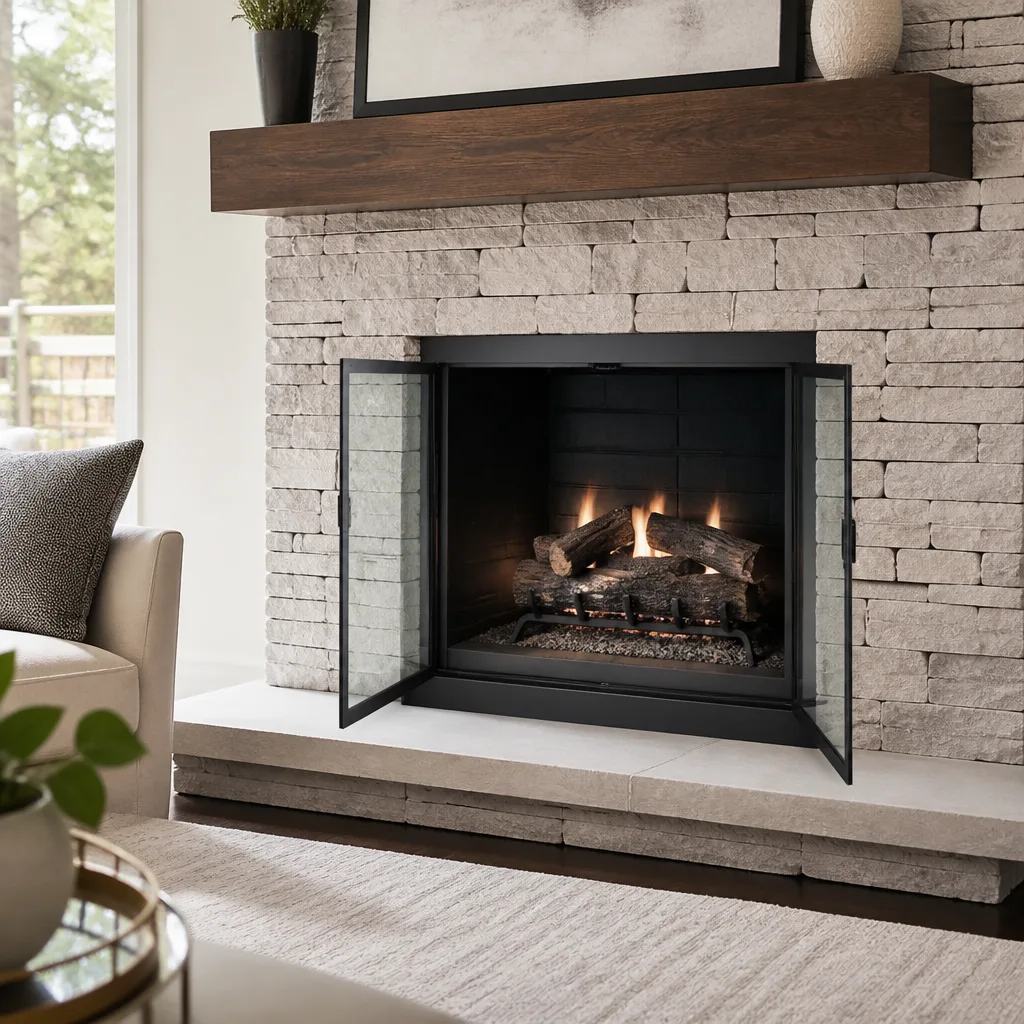 Gas fireplace service
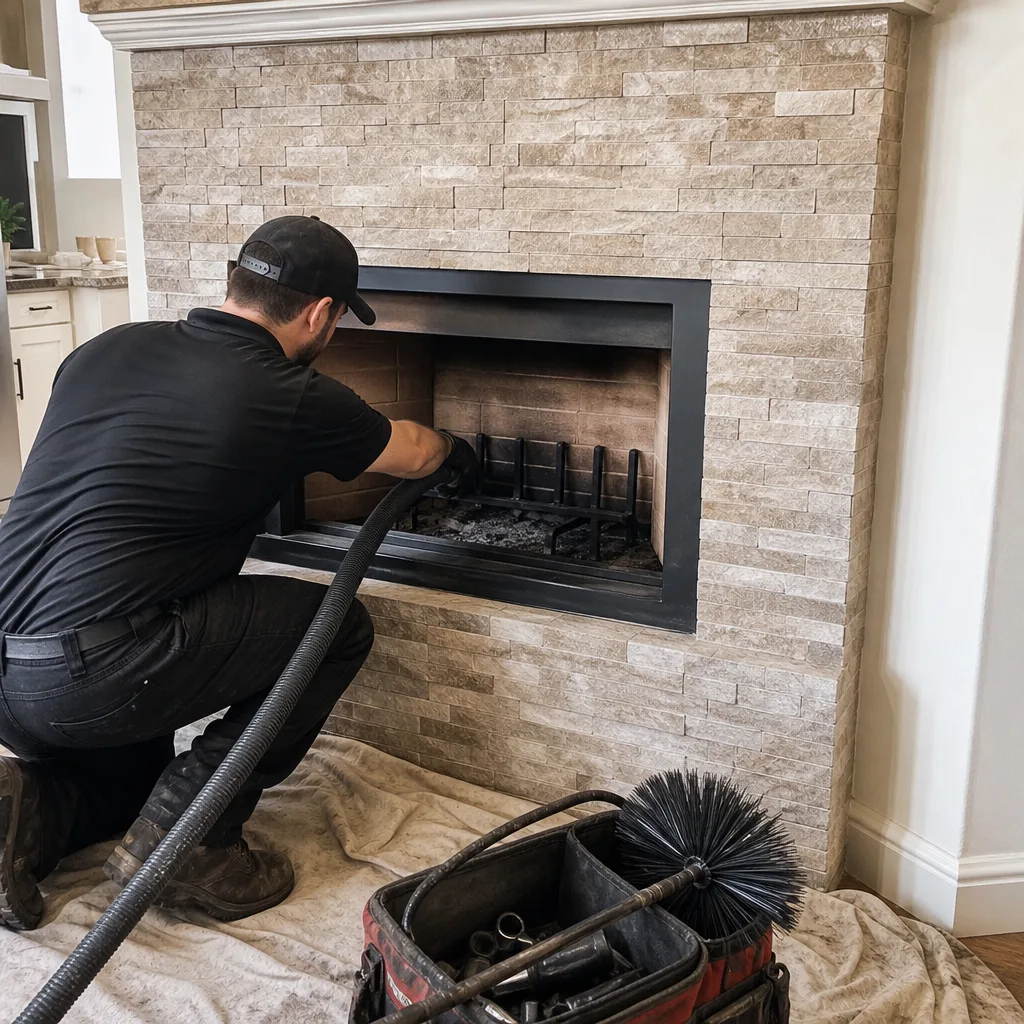
Level 1 sweep and inspection to the NFPA 211 annual standard - flue, crown, cap, and flashing checked and photographed
Chimney sweep logs do not sweep chimneys. They loosen some creosote - which then falls where a brush and vacuum still have to collect it.
The Complete Chimney Sweep Guide for Folsom Homeowners
Here’s something most Folsom homeowners don’t realize: running your fireplace only occasionally can actually create a more dangerous creosote situation than burning every night through a Minnesota winter. Light, intermittent fires never get hot enough to burn off the smoke byproducts, so each short fire leaves a fresh layer of sticky creosote that hardens into the next one. Add Folsom’s oak-heavy firewood culture and a wildfire season that deposits ash and debris into chimney channels, and you have the recipe for a stage-2 creosote problem hiding behind a perfectly clean-looking firebox. This guide explains what Folsom chimneys actually face, when to schedule service, and how to read an inspection report without getting upsold. For more guides & resources, see our blog.
Quick Answer
A Chimney Sweep in Folsom should happen once per year for any wood-burning fireplace, ideally between late August and early October before burn season starts. The service includes removing creosote from the flue liner, clearing debris from the smoke chamber and damper, and identifying structural issues before they become fire hazards or carbon monoxide risks. For Folsom homeowners, the wildcard is wildfire season – after any significant smoke event, an inspection is warranted even if your scheduled sweep is months away.
Styles & brands we work with
- Sweep & inspection
- Caps & crowns
- Flue relining
- Masonry repair
- Gas fireplace service
Table of Contents
- Why Folsom’s Climate Demands a Different Chimney Schedule
- The Oak Creosote Problem: What Folsom Burns and Why It Matters
- The Complete Inspection Sequence: Crown to Ash Dump
- How to Read a Level 1 vs. Level 2 Inspection Report
- Timing Your Sweep: Folsom’s Burn Season and Wildfire Variables
- When Sweeping Isn’t Enough: Structural Repairs Explained
- The Overlooked Partner Service: Dryer Vent Cleaning
- What You Can Safely Do Yourself (and What You Shouldn’t)
Why Folsom’s Climate Demands a Different Chimney Schedule
Folsom sits in the Sierra Nevada foothills at roughly 220 feet of elevation, which puts us in a climate zone that generic chimney advice doesn’t address. We get hot, dry summers that regularly exceed 95°F, mild winters where overnight lows rarely dip below freezing for more than a few consecutive nights, and a fire season that has reshaped how every Folsom homeowner should think about chimney maintenance. Here’s what that means in practical terms.
During summer heat waves, the masonry and metal components of your chimney expand. When fall arrives and temperatures drop, they contract. Over years, this thermal cycling creates hairline cracks in mortar joints and can loosen flashing around the roofline. What starts as a 1/16-inch gap becomes a water entry point during the January rains, and water plus creosote equals an acidic slurry that eats through flue liners faster than dry creosote ever could. We’ve pulled liners from Folsom chimneys that looked like Swiss cheese from this exact cycle.
Wildfire smoke adds a layer most other regions don’t face. When the King Fire or Caldor Fire pushes smoke into the Sacramento Valley, that smoke contains fine particulate matter and ash that settles into chimney channels. Even if you haven’t used your fireplace in months, a heavy smoke event can leave a coating of soot inside your flue. If that soot sits through a wet winter, it absorbs moisture and accelerates corrosion. After any significant local wildfire smoke period, an inspection is the smart move – not just to check for debris, but to assess what the smoke deposited inside your flue.
The bottom line for Folsom: our mild winters don’t reduce the need for annual service. They change the type of service needed. In colder climates, the primary concern is heavy creosote from daily winter burning. In Folsom, the concern is cyclic thermal damage, wildfire residue, and a specific type of creosote that forms from the way we burn wood here.
The Oak Creosote Problem: What Folsom Burns and Why It Matters
Walk through any Folsom neighborhood in November and you’ll see the stacks: valley oak, blue oak, and interior live oak, much of it cut from local foothill lots or sourced from Sierra suppliers. Oak is the dominant firewood in Folsom for good reason – it burns hot, holds coals for hours, and produces steady heat. But oak has a creosote profile that casual chimney advice rarely addresses.
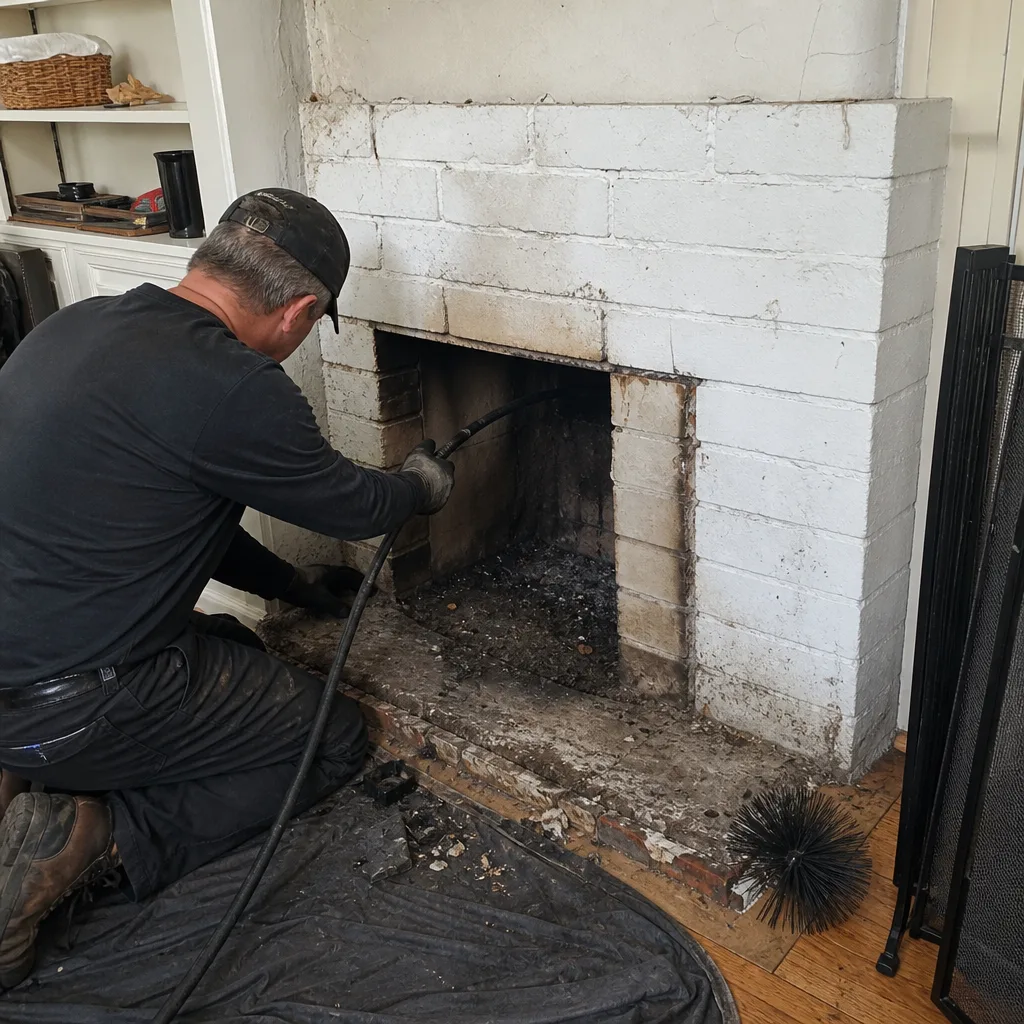
Oak burns hotter than softwoods like pine or fir, which is exactly why it’s the preferred wood for Sacramento Valley winters. But that high burn temperature creates a specific dynamic: the hotter fire vaporizes more of the wood’s resins and oils, sending them up the flue as smoke. If the fire is allowed to smolder – which happens when Folsom homeowners close the damper too much to extend burn time – those vaporized compounds condense on the flue walls as a dense, hard, glossy creosote. In the chimney trade, this is stage-2 creosote, and it’s the most stubborn to remove. It doesn’t brush off like the flaky stage-1 form. It requires rotary cleaning heads with steel or carbide chains to break it loose.
Here’s the pattern we see in Folsom specifically:
- Short evening fires: Homeowners light a fire after dinner, enjoy it for an hour or two, then let it die. The fire never reaches the sustained temperature needed to burn off creosote from the previous burn, so each session adds a new layer.
- Oak with high moisture content: Oak needs a full year, sometimes two, to season properly. Green or partially seasoned oak produces more smoke and more condensation inside the flue. In Folsom’s dry summers, homeowners often assume wood seasons faster than it actually does.
- Damper management: The habit of closing the damper most of the way to slow the burn is common in Folsom because our winters don’t demand full-open operation. But a damper that’s 80% closed starves the fire of oxygen, creating incomplete combustion and smoke that lingers in the flue instead of moving out.
The solution isn’t to stop burning oak – it’s to burn it correctly and sweep on schedule. A well-seasoned oak fire with full damper open produces significantly less creosote. And when creosote does build, professional-grade rotary cleaning removes it completely rather than brushing over it.
The Complete Inspection Sequence: Crown to Ash Dump
Every professional chimney sweep in Folsom follows an inspection sequence that moves from the top of the chimney down to the firebox. Understanding this sequence helps you evaluate whether you’re getting a real inspection or a surface-level brushing. Here’s what a thorough sweep covers, in order.
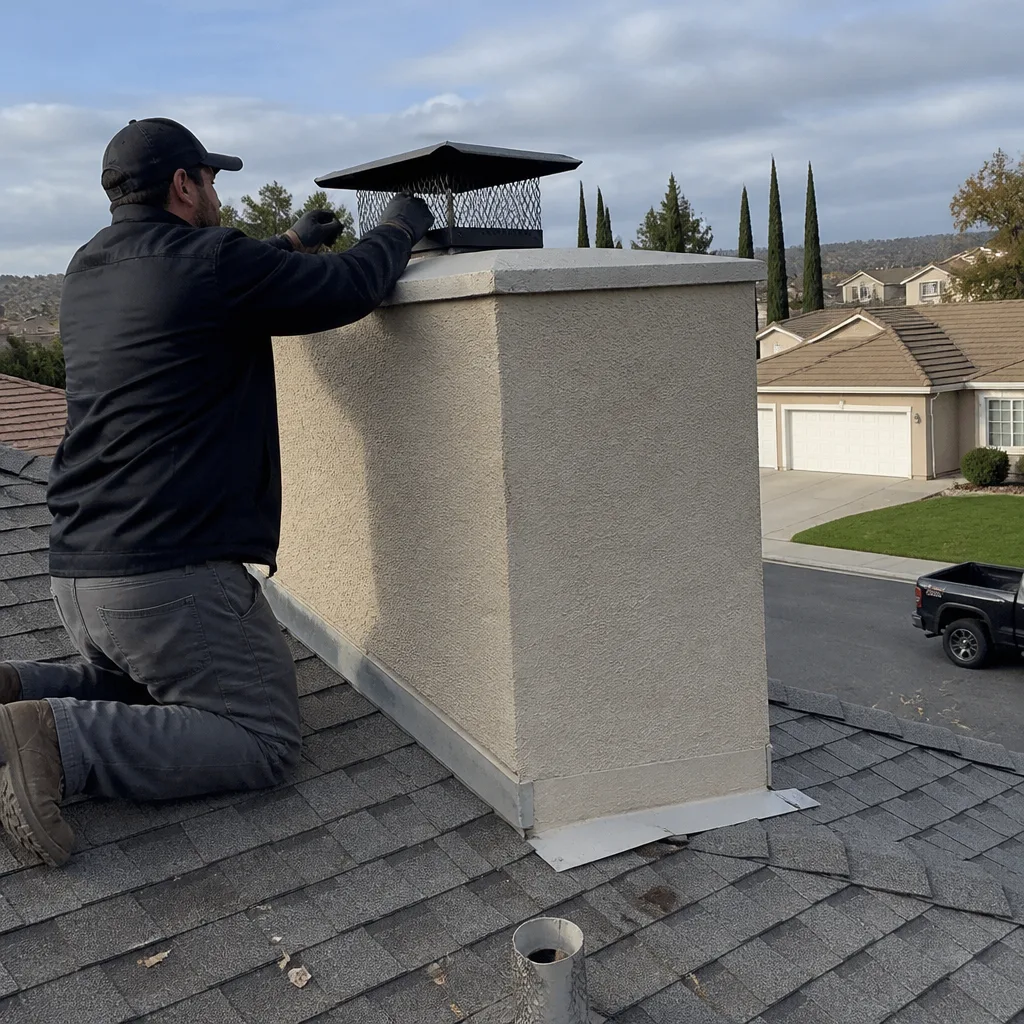
- The crown: The concrete or mortar cap at the top of the chimney. In Folsom’s heat, crown cracks are one of the most common findings. A cracked crown lets water into the masonry, and once water gets in, freeze-thaw cycles during cold snaps cause the cracks to expand. The fix is crown repair or resealing, and it’s far cheaper than rebuilding the upper chimney.
- The flashing: The metal where the chimney meets the roofline. Folsom’s seasonal expansion and contraction pulls on flashing, and once it separates from the roof deck, water runs down the chimney’s exterior and into the attic. Flashing issues are often flagged during sweeps because they’re visible from the roofline access point.
- The damper: The metal or cast-iron plate that opens and closes the flue. Dampers in Folsom chimneys rust more quickly than you’d expect because hot summer air pulls moisture up from the firebox, and that moisture condenses on the damper plate. A seized damper can’t close fully, which means heated or cooled air escapes year-round.
- The smoke chamber: The often-ignored space between the firebox and the flue. Smoke slows down here and deposits creosote at a higher rate than anywhere else. A proper sweep includes smoke chamber cleaning, not just flue brushing. If your sweep doesn’t mention the smoke chamber, you’re not getting full service.
- The flue liner: The clay tile or metal liner that carries smoke to the exterior. In Folsom, liner damage comes from three sources: creosote that’s been left long enough to alter the liner surface, thermal cycling that cracks clay tiles, and water intrusion from compromised crowns or flashing. A camera inspection is the only way to truly evaluate liner condition.
- The firebox and ash dump: The base of the chimney system. Firebrick deterioration and ash dump blockages are common in older Folsom homes, particularly those built in the 1970s and 1980s when construction was booming around Lake Folsom and the Briggs Ranch area.
Each of these six points is a distinct potential failure mode, and none of them can be evaluated from ground level. A sweep that doesn’t include a rooftop inspection on at least the first visit is incomplete.
How to Read a Level 1 vs. Level 2 Inspection Report
The NFPA 211 standard defines three levels of chimney inspection, and knowing the difference between Level 1 and Level 2 is the single best defense against unnecessary repair recommendations – or missed problems. Here’s the straight explanation.
A Level 1 inspection is the standard inspection performed during a routine sweep. It covers the readily accessible portions of the chimney: the exterior, the interior flue from the top and bottom, the damper, the smoke chamber, and the firebox. No special tools are required, and no access is made to concealed areas. If you’ve used your chimney consistently and nothing has changed, a Level 1 is sufficient.
A Level 2 inspection is required when there’s been a change to the system: a new appliance installed, a fuel type change, a chimney fire, a lightning strike, an earthquake, or a real estate transfer. It includes everything in Level 1 plus access to attics, crawl spaces, and basements, and typically uses a camera to inspect the flue interior. In Folsom, a Level 2 is also appropriate after a significant wildfire smoke event, because airborne ash and embers can enter and accumulate in ways a standard inspection wouldn’t document.
Here’s what to look for when you receive your inspection report:
- Specific locations: A report that says “liner damage” without specifying where – top, middle, bottom, smoke chamber – is not actionable. Quality reports tell you the exact location and the extent.
- Camera images: If a Level 2 inspection was performed, you should receive images. No images, no camera was used. If you paid for a Level 2, you’re entitled to the photo documentation.
- Priority designations: Not all findings require immediate action. A legitimate report distinguishes between “immediate hazard,” “repair recommended before next burn season,” and “monitor.” If everything is marked urgent, get a second opinion.
- The distinction between cleaning and repair: Some findings are resolved by a deeper cleaning rather than a structural repair. A clear report tells you which.
Here’s the thing about inspection reports in Folsom specifically: the majority of homes in this area were built during the big Sacramento Valley construction boom from the 1960s through the 1990s. Chimneys from that era often have original clay tile liners that have never been replaced. A responsible inspector will tell you plainly if that liner is still serviceable or if it’s reached the end of its life. An aggressive salesperson will recommend replacement regardless. The difference is in the documentation.
Timing Your Sweep: Folsom’s Burn Season and Wildfire Variables
Folsom’s burn season runs roughly October through March, with the heaviest use in December and January. The best time to schedule a chimney sweep is late August through early October, before the first cold snap triggers the first fire of the season. Here’s why timing matters.
Scheduling in late summer means your chimney is dry, accessible, and free of the seasonal rush. More importantly, it means any structural issue found during the inspection can be repaired before burn season begins. Waiting until November means any repair needed has to happen while the fireplace is already in use – or you make the uncomfortable choice between using an unsafe chimney or sitting cold. We see this every year in Folsom: homeowners call in late November, we find stage-2 creosote or a cracked flue tile, and the repair window is gone.
Wildfire season changes the calculus. Folsom has been downwind of major Sierra fires repeatedly over the past decade, and the smoke days that turned our skies orange deposited more than just anxiety. After a smoke event that lasts more than a couple of days, check the top of your chimney if you can safely do so, or schedule an inspection. Soot and ash from wildfire don’t just sit on the cap – they can enter the flue and create a layer that combines with existing creosote into a thicker, more combustible deposit.
The Folsom-specific schedule that makes sense for most homeowners:
- Before burn season (August – October): Annual sweep and Level 1 inspection. This is the baseline service for any wood-burning fireplace.
- After a significant wildfire smoke event (any time): Inspection to assess what the smoke deposited. If you burned during the smoke event, add a cleaning.
- Mid-burn season (January – February): Only if you’re burning heavily, more than three or four fires per week. Most Folsom homeowners don’t need this, but heavy users might.
- Spring (April – May): The end-of-season sweep is less common but smart if you burned a lot. It prevents creosote from sitting through the summer heat, which bakes it into a harder form.
One more Folsom-specific note: our mild fall weather sometimes extends into November, and homeowners get lulled into thinking they can wait. The first cold snap usually arrives in early December. If you haven’t swept by then, you’re competing with every other delayed homeowner for the same service slot.
When Sweeping Isn’t Enough: Structural Repairs Explained
A chimney sweep removes creosote and debris. It does not fix a cracked crown, a separated flue, a rusted damper, or a deteriorated liner. In Folsom, where homes are aging and the thermal cycling is constant, structural findings are common – and understanding what they mean helps you make good decisions about what to fix and when.
The most common structural repair recommended in Folsom is chimney repair, which can range from crown sealing to full masonry rebuilds. Here are the most frequent findings and what they actually involve:
- Cracked crown: Repair involves filling cracks with a bonding sealant or, if damage is extensive, recoating the entire crown. This is a relatively low-cost fix that prevents far more expensive water damage later.
- Separated or deteriorated flashing: Replacement involves removing the old flashing, checking the roofline for water damage, and installing new flashing that’s sealed to both the chimney and the roof. It’s a day’s work for a qualified technician.
- Deteriorated flue liner: This is the big one. A cracked or missing flue tile means the chimney is no longer safely containing combustion gases. The options are a full relining with a stainless steel system from a brand like DuraFlex, or – if the liner damage is surface-level – a resurfacing system like HeatShield. HeatShield is a ceramic-based relining and resurfacing material that’s applied inside the existing flue, which means less demolition and a lower cost than full liner replacement.
- Damaged damper: Replacement dampers from brands like Olympia Chimney are built to commercial standards, and a new damper can also improve your home’s energy efficiency by sealing the flue when the fireplace isn’t in use.
- Smoke chamber damage: The smoke chamber’s corbeled brick shape is notoriously hard to clean and easy to damage. Parging – applying a smooth mortar coating – improves both safety and draft.
The key thing to remember: structural issues don’t resolve themselves. A small crack becomes a large crack after another Folsom summer of expansion and another January of cold rain. The cost of repair goes up the longer you wait. And the materials used matter. A flue liner installed with professional-grade stainless from a brand the industry actually trusts is a different repair than whatever’s cheapest at the supply counter. This is where the “get three bids” advice breaks down – the materials matter as much as the labor.
Our approach at Chimney Sweep Folsom is straightforward: if your inspection finds a structural issue, we show you the camera footage, explain the repair options in plain language, and tell you if it’s urgent or can wait. We don’t push work that isn’t necessary, and we don’t flag problems only to hand you an estimate and walk away. We have repair crews who do the work – Chimney Sweep Folsom home services cover the full scope from sweeping to structural fixes.
The Overlooked Partner Service: Dryer Vent Cleaning
While we’re talking about chimney safety, here’s a statistic that should get your attention: according to the National Fire Protection Association, clothes dryers are involved in roughly 14,000 structure fires per year in the United States, and the leading cause is failure to clean the dryer vent. In Folsom, where single-family homes dominate and laundry rooms are often tucked into interior hallways or garages with long vent runs, the risk is real.
Dryer vent cleaning belongs in a chimney guide for a simple reason: both systems are exhaust pathways that carry combustion byproducts and lint out of your home. Both clog over time. And both represent fire hazards when neglected. A chimney sweep who only looks at the chimney is only doing half the home exhaust job.
Folsom-specific factors that make dryer vents especially vulnerable:
- Long vent runs: Many Folsom homes were built with laundry rooms in the center of the house, which means vent ducts that run 15, 20, sometimes 30 feet to the exterior wall. Every foot of vent run is a foot where lint can accumulate.
- Summer dust: Our dry summers mean more airborne dust and fine particulate matter, which adds to the lint load inside the duct.
- Low awareness: Homeowners who maintain their chimneys meticulously often haven’t thought about their dryer vent in years. It’s not visible, it’s not smelly, and it doesn’t announce itself until the dryer starts taking two cycles to dry a load.
The fix is the same as the chimney: dryer vent cleaning in Folsom should happen annually for most households, or more often if you have a large family, run the dryer daily, or have pets that shed. We include dryer vent cleaning as a core service because ignoring it is ignoring a leading residential fire cause. If you’re already scheduling a chimney sweep, adding dryer vent service in the same visit makes sense – one appointment, both exhaust systems cleared.
What You Can Safely Do Yourself (and What You Shouldn’t)
There’s a spectrum of chimney maintenance, from what any careful homeowner can handle to what should only ever be done by a trained professional. Read DIY vs Professional Chimney Cleaning: The Folsom Homeowner’s Decision Guide for the honest breakdown.
Safe to do yourself:
- Visual checks from the ground: Look for obvious crown cracks, missing chimney caps, or leaning. Use binoculars if you have them. You’re looking for changes from year to year.
- Firebox inspection: Look for cracked firebrick, excessive ash buildup, or debris that’s fallen from the flue. A mirror and a flashlight help.
- Regular ash removal: Wait until the fire is completely cold (at least 24 hours), then remove ash with a metal shovel into a metal container. Keep the container outside until disposal day.
- Burning the right materials: Seasoned hardwood only. No pine, no construction scrap, no cardboard, no trash. This is the single biggest thing you can do to reduce creosote.
Absolutely not a DIY job:
- Flue cleaning: Rooftop access on a Folsom summer day, specialized brushes and rods, rotary cleaning heads, and the physical strain of the work make this a professional task. Falls from roofs are a leading cause of home maintenance injuries.
- Liner inspection or repair: The camera equipment used for Level 2 inspections costs thousands of dollars, and interpreting what it shows takes years of experience. Repairs involve materials and techniques that are not available at any hardware store.
- Structural repairs: Crown repair, flashing replacement, and any masonry work require working at heights, often on steep pitches. Folsom’s newer communities around Empire Ranch and the Parkway have steep roof lines that are genuinely dangerous for untrained work.
- Anything that increases fire risk: If your chimney has stage-2 or stage-3 creosote, that’s a fire waiting for a spark. Professional removal with rotary tools is the only safe option.
Safety note: a chimney fire burns at temperatures that can exceed 2,000°F, hot enough to crack clay flue tiles and damage the chimney structure in minutes. If you suspect a chimney fire (a loud roaring noise from the chimney, dense smoke, or flames visible from the top), evacuate the house and call 911. Do not attempt to extinguish it yourself.
Common Mistakes to Avoid
- Assuming low usage means no sweep needed: This is the most common Folsom-specific mistake. Light, intermittent use creates sticky creosote that’s actually harder to remove than the flaky kind that forms from daily hot fires.
- Closing the damper too far to extend burn time: Starving the fire of oxygen creates incomplete combustion, which sends more unburned material up the flue. More smoke in the flue means more creosote on the walls.
- Skipping the inspection and just doing a sweep: A brush through the flue removes creosote but doesn’t find the cracked crown, the separated flashing, or the deteriorating liner. In Folsom’s climate, those issues are common and they compound.
- Burning unseasoned oak: Oak needs longer to season than most people give it. Wet oak produces thick smoke and heavy creosote, regardless of how hot the firebox gets.
- Ignoring the ash dump: The ash dump and cleanout door at the base of the chimney is often forgotten. Blocked ash dumps restrict airflow and create a place for creosote to accumulate out of sight.
- Assuming wildfire smoke doesn’t affect the chimney: Ash and fine particulate matter from regional fires enter chimney channels and mix with existing creosote. After a smoke event, check the chimney.
- Treating the chimney and dryer vent as separate worlds: Both are exhaust pathways. Both are fire hazards when clogged. Maintaining one and ignoring the other is half a safety strategy.
See the difference
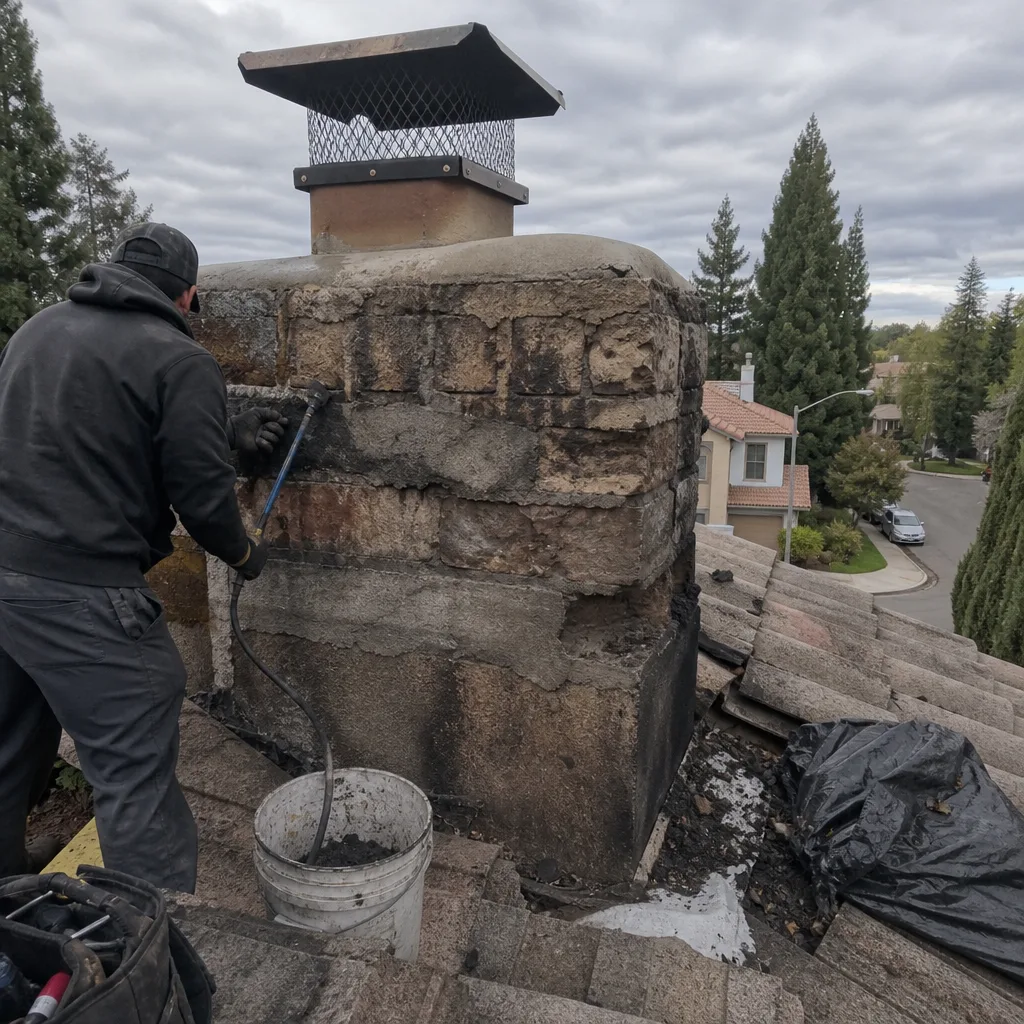 Before
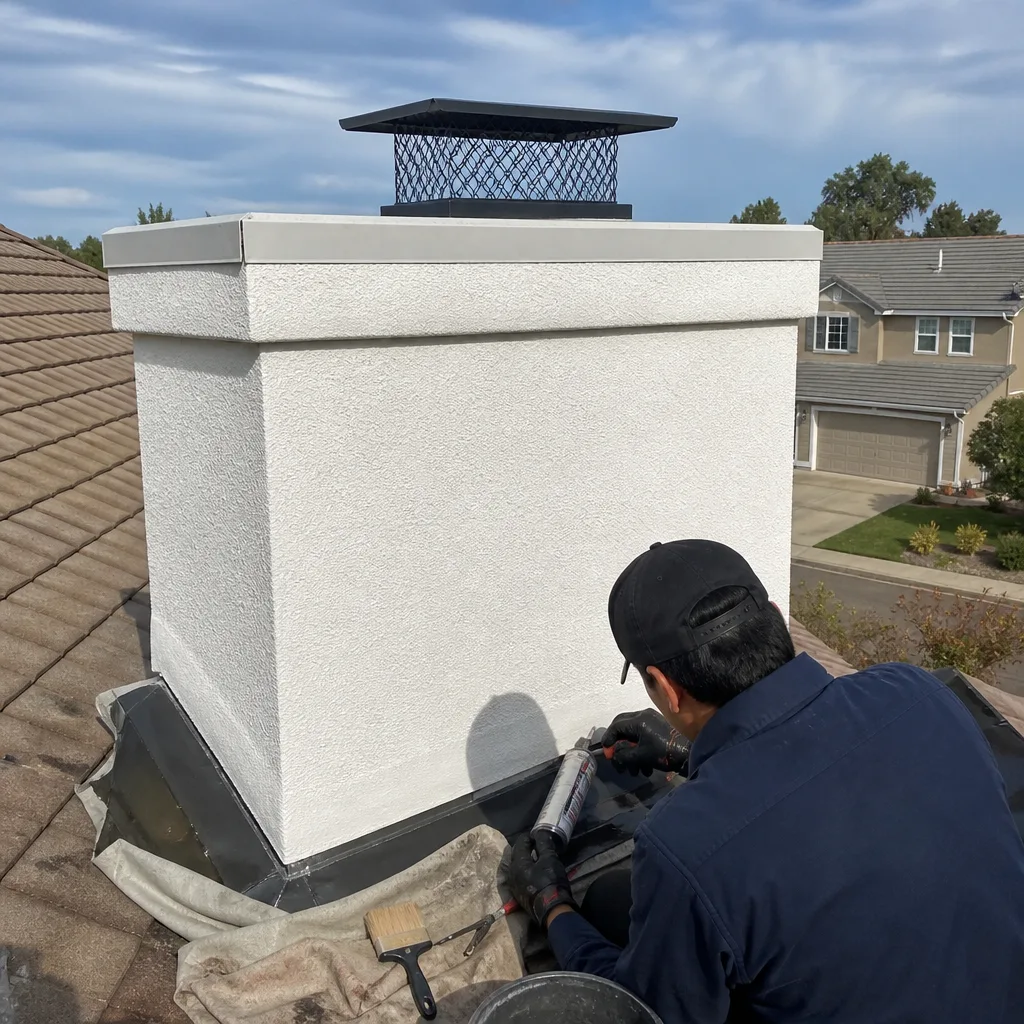 After
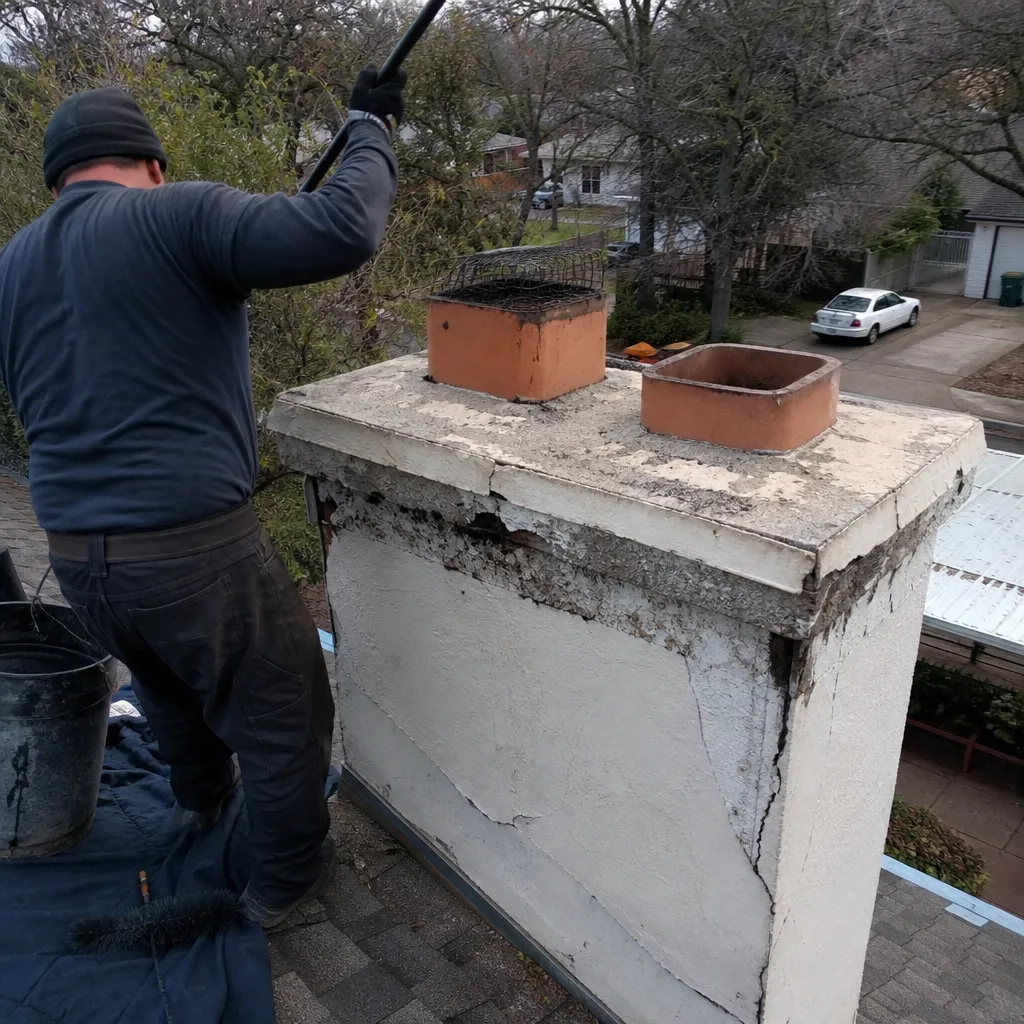 Before
 After
 Before
 After
When to Call a Professional
Call a professional chimney sweep if you see visible creosote buildup (anything more than a fine dusting on the flue walls), if your fireplace smokes into the room, if you smell a campfire odor when the fireplace isn’t in use, if you see cracks in the firebrick or the crown, or if it’s been more than a year since the last cleaning. If you’ve experienced a chimney fire, even a small one, stop using the fireplace and call immediately – the liner may be compromised. And if you’re in Folsom and want a straightforward assessment without upsell pressure, Chimney Sweep in Folsom offers free estimates. Call (833) 589-9896.
Frequently Asked Questions
A standard chimney sweep in Folsom typically costs between $150 and $300, depending on the chimney’s size, accessibility, and creosote level. Additional services – camera inspection, dryer vent cleaning, or structural repairs – add to the total. Call (833) 589-9896 for a free estimate based on your specific chimney.
The NFPA recommendation is once per year, and that applies in Folsom regardless of how often you use the fireplace. The combination of oak creosote, thermal cycling, and wildfire residue makes annual service the minimum standard, not an optional extra.
Creosote accumulates, hardens, and eventually becomes a fire hazard. The chimney fire risk increases with every burn, and the carbon monoxide risk increases as the flue restricts airflow. The repair cost also climbs – a chimney left unswept for years often needs structural work, not just cleaning.
You need a new liner if the existing one is cracked, missing sections, or so deteriorated that it can no longer contain combustion gases. A camera inspection tells you which category you’re in. If damage is surface-level, resurfacing with HeatShield may be an option instead of full relining.
A sweep removes creosote and debris; an inspection evaluates the chimney’s structural condition. A good service combines both – the sweep makes it possible to see the liner, and the inspection identifies issues the sweep alone can’t address. Most companies in Folsom bundle them.
Yes. Schedule an inspection to check what the wildfire deposited in your chimney. If you didn’t use the fireplace during the smoke event, an inspection may be enough. If you burned during the smoke, a full sweeping is the safer choice. Call (833) 589-9896 for guidance specific to your situation.
The Bottom Line
Folsom chimneys face a unique combination of challenges: hot summers that stress masonry, oak firewood that creates hard creosote, and wildfire seasons that add residue most guides never mention. Annual sweeping is the baseline, but it needs to be the right type of sweeping – with attention to the smoke chamber, the crown, the flashing, and the liner, not just the flue walls. See The Complete Guide to Chimney Cleaning in Folsom for a full walkthrough. Pair the chimney work with dryer vent cleaning and you’ve addressed both of your home’s primary exhaust fire risks. The goal isn’t just a clean chimney. It’s a chimney you can trust through every Folsom winter.
Written by the team at Chimney Sweep Folsom, serving Folsom since 2011.