
Last updated November 2, 2026
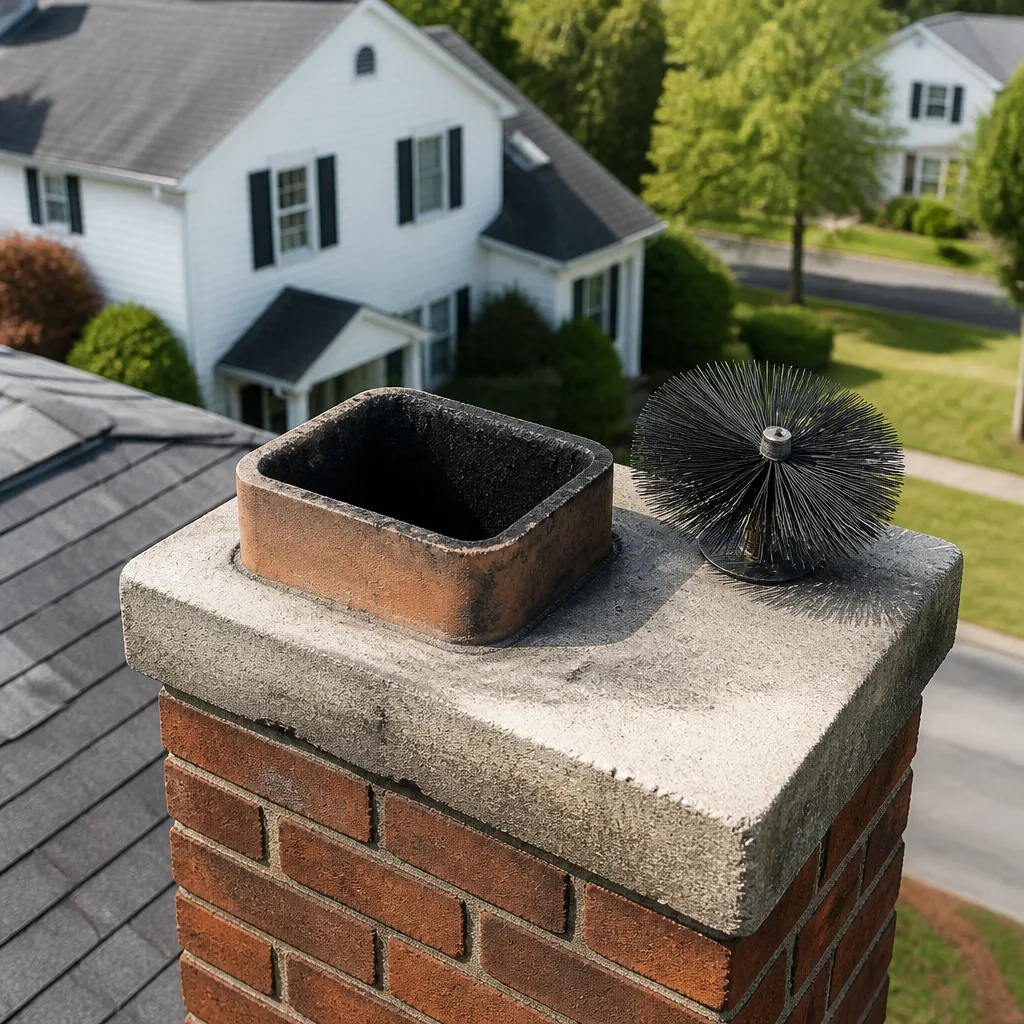 Sweep & inspection
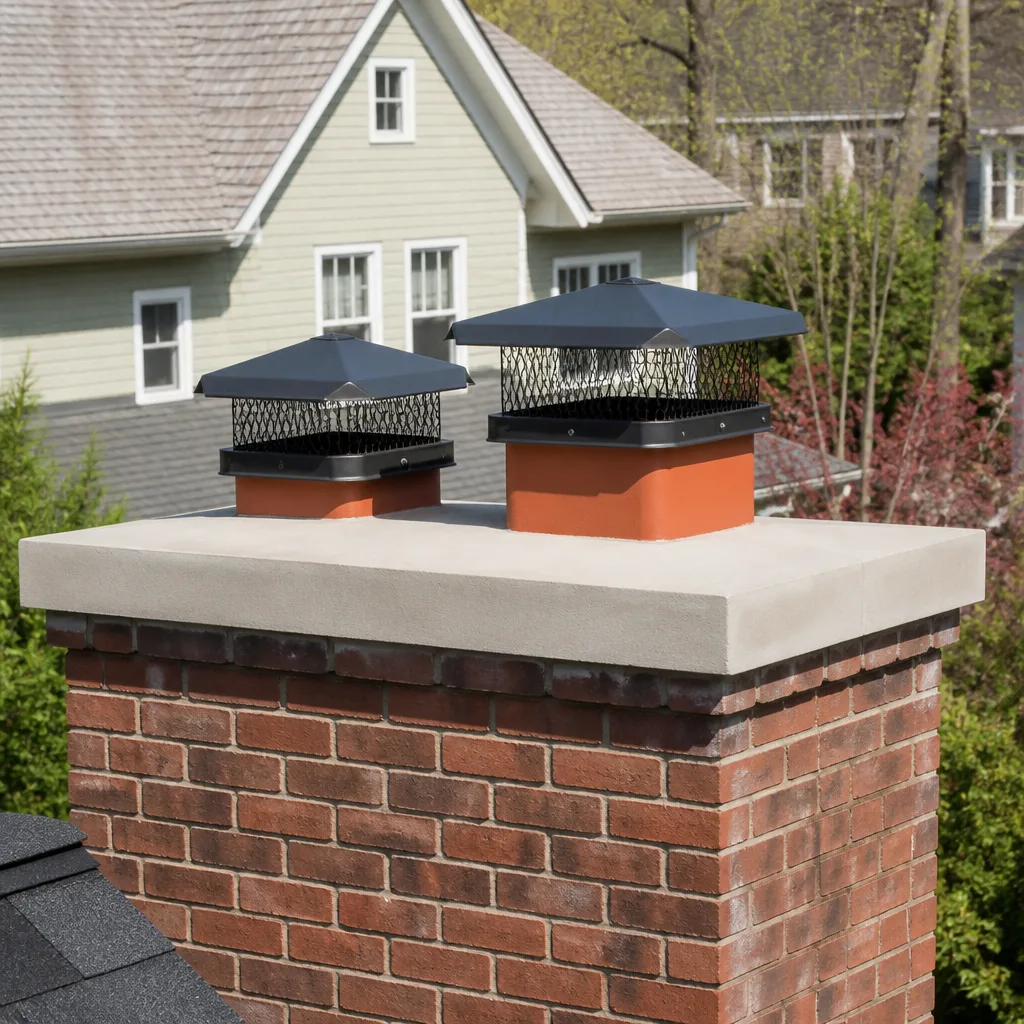 Caps & crowns
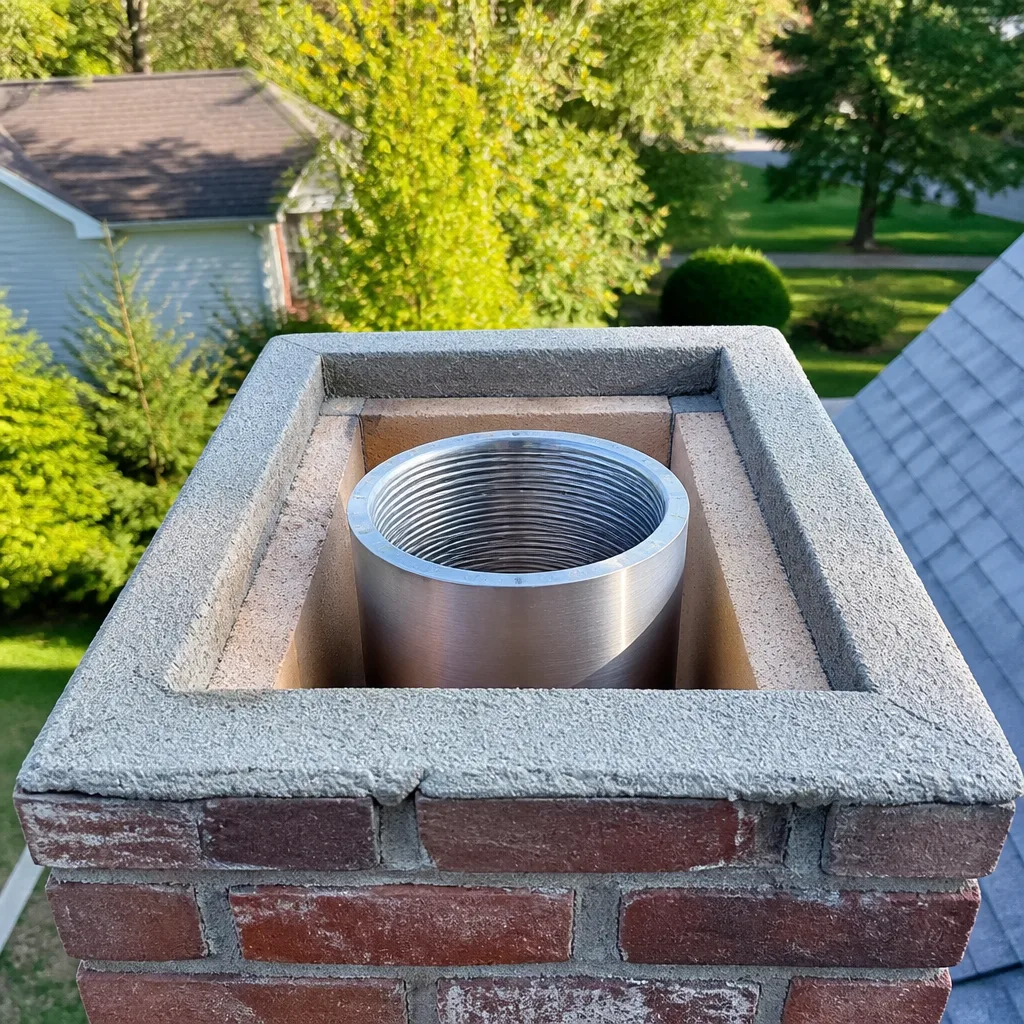 Flue relining
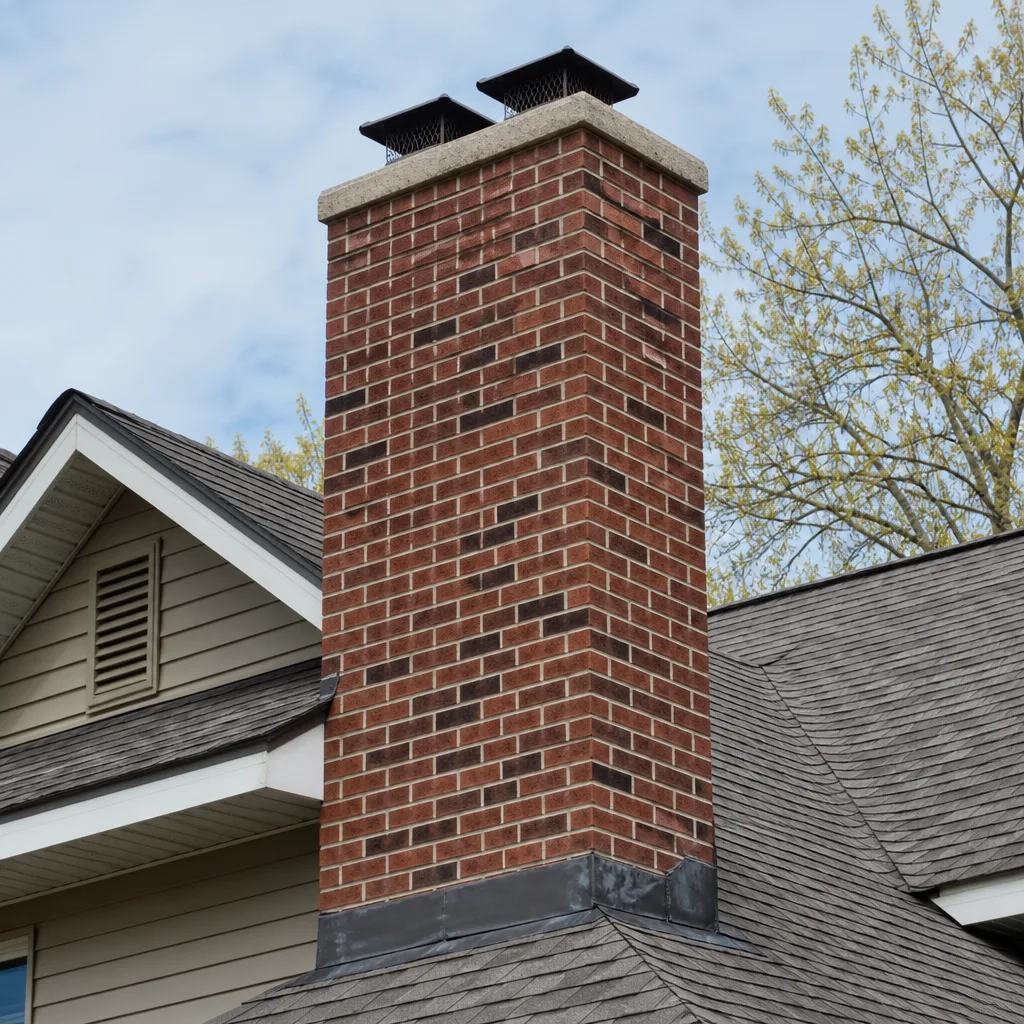 Masonry repair
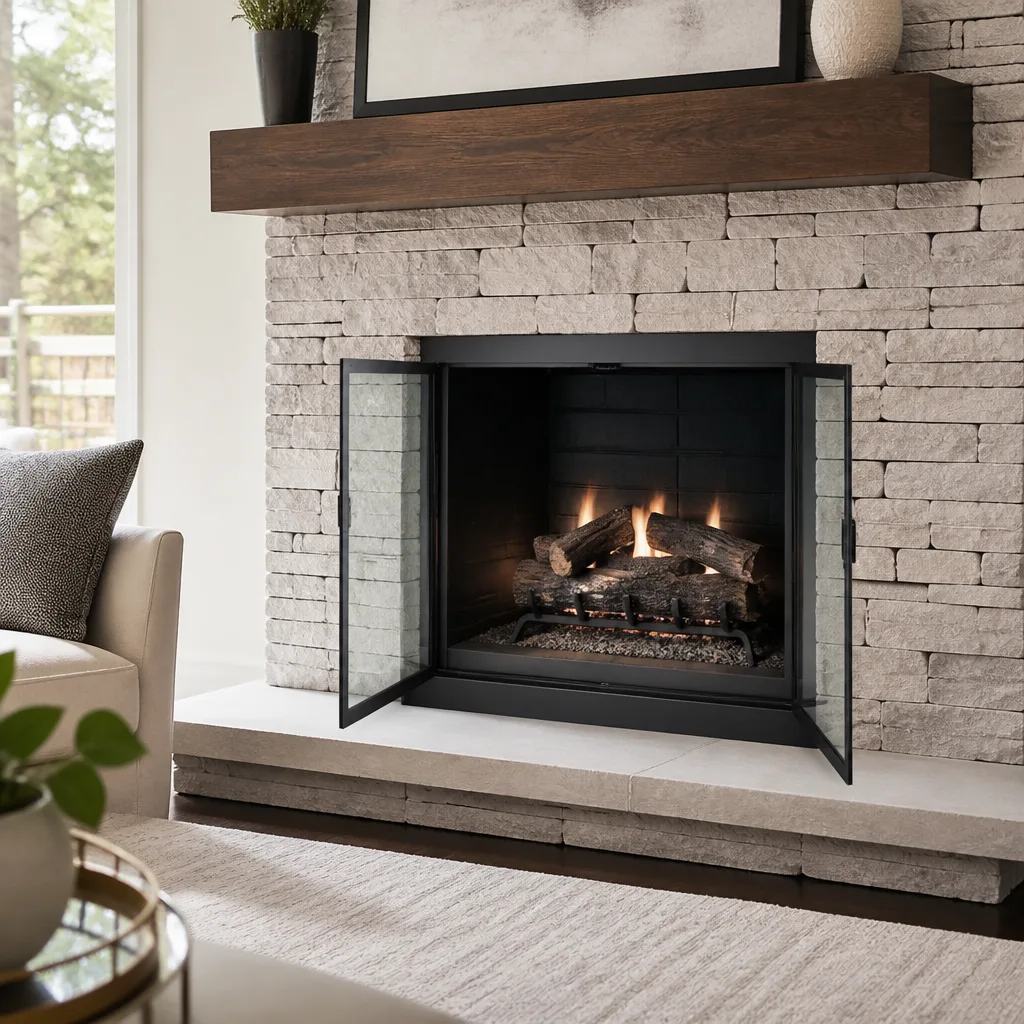 Gas fireplace service
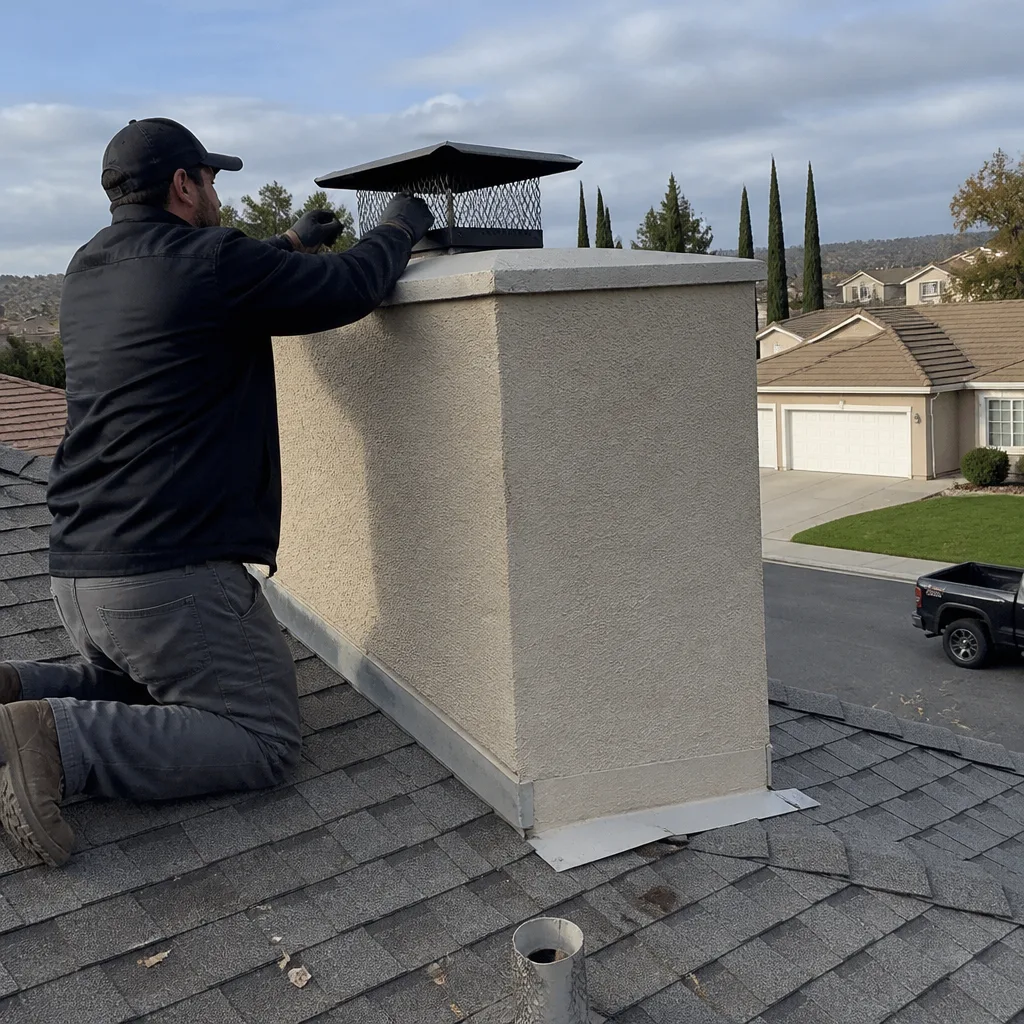
Level 1 sweep and inspection to the NFPA 211 annual standard - flue, crown, cap, and flashing checked and photographed
Chimney sweep logs do not sweep chimneys. They loosen some creosote - which then falls where a brush and vacuum still have to collect it.
How to Hire a Chimney Cleaning Contractor in Folsom: A Step-by-Step Guide
The single most revealing question you can ask a chimney contractor before they start work costs you nothing: “What method do you use to clean the smoke chamber?” A vague answer tells you everything you need to know. Most homeowners in Folsom hire a chimney sweep the same way they’d hire any other service: they get a quote, check it against one or two competitors, and pick. But chimney work is not landscaping. A bad cleaning can hide structural damage, vent carbon monoxide into your living room, or leave creosote in places that catch fire later. This guide is built to change how you evaluate a contractor, from the first phone call to the final walk-through, using the same questions we’d ask if we were hiring for our own home.
Chimney Sweep Folsom home has served the area long enough to know that hiring well means understanding what actually happens on the roof and in the firebox. We’re going to walk you through the process step by step, and we won’t skip the parts that make contractors uncomfortable.
Quick Answer
To hire a chimney cleaning contractor in Folsom, ask whether they hold CSIA-accredited company status (not just individual certification), request proof of insurance specific to chimney work, demand a written inspection report that documents flue liner condition with photos, and ask the five job-site questions below before agreeing to any service. A contractor who can answer these clearly and without hedging is one who does full-system work, not just brush-and-vacuum service. Expect to pay between $180 and $340 for a standard sweep in the Folsom market, with higher rates for systems that haven’t been serviced in years or show signs of moisture intrusion. See our Chimney Cleaning Cost Breakdown: The Folsom Homeowner’s Reference for 2026 for detailed pricing factors.
Styles & brands we work with
- Sweep & inspection
- Caps & crowns
- Flue relining
- Masonry repair
- Gas fireplace service
Table of Contents
- CSIA Certification vs. CSIA-Accredited Company Status
- How to Verify Insurance Coverage for Chimney Work
- The Five Job-Site Questions That Reveal a Real Specialist
- Red Flags in Chimney Service Quotes
- What a Legitimate Inspection Report Should Contain
- Step-by-Step Hiring Process for Folsom Homeowners
- What Does Chimney Cleaning Actually Cost in Folsom?
- Common Mistakes to Avoid
- When to Call a Professional
- Frequently Asked Questions
CSIA Certification vs. CSIA-Accredited Company Status
Here’s the distinction that most chimney cleaning guides never make, and it’s the one that matters most when you’re hiring in Folsom. The Chimney Safety Institute of America issues certification to individuals who have passed written and practical exams. That credential means the person holding it has demonstrated knowledge at a point in time. But a company can hire one CSIA-certified technician and staff the rest of its trucks with people who have zero training. When you book a cleaning, the person who shows up may or may not be the person whose name is on the certificate.
CSIA-accredited company status is different. Accreditation applies to the company, meaning the firm must demonstrate that its training programs, safety protocols, and hiring practices meet CSIA standards across the board. When you hire an accredited company, you’re not relying on the luck of which technician answers the dispatch call. This matters in Folsom because our market supports a healthy number of chimney service providers, and competitive pressure means some crews move fast and cut corners on training. We’ve seen jobs where a homeowner requested a certified technician, confirmed the name over the phone, and a different person entirely arrived at the door.
Before you schedule, ask this directly: “Is your company CSIA-accredited, or do you have CSIA-certified technicians on staff?” Both answers are useful, but they mean different things. An accredited company can point to a company-level credential. A company that only has one certified tech on payroll should be able to tell you who that person is and confirm that person will be on your job. If they can’t do that, you’re rolling the dice on the actual technician’s training.
At Chimney Sweep in Folsom, we hold ourselves to the company-level standard because we believe homeowners deserve consistency, not just a certificate on the office wall.
How to Verify Insurance Coverage for Chimney Work
General liability insurance is the baseline every contractor should carry, but it’s not sufficient for chimney work, and most Folsom homeowners don’t know to ask. Standard general liability covers property damage and bodily injury caused by the contractor’s operations. What it doesn’t always cover is damage done during roof access, which is where chimney sweeping actually happens. Ladder work, roof walking, and even the simple act of pulling a brush up a flue all create scenarios where something goes wrong: a cracked tile on your roof, a slipped foot that damages gutters, a dropped tool that breaks a window. If the contractor’s policy doesn’t specifically include roof access coverage or chimney service work, you may end up in a dispute with their carrier.
Here’s the verification process we recommend to every Folsom homeowner:
- Ask for a certificate of insurance (COI) before the job. A phone conversation is not verification. A COI is a document issued by the insurance company that lists the policyholder, the coverage types, and the policy dates.
- Confirm that the COI lists the contractor’s business name exactly as it appears on your quote. Mismatched names suggest a subcontractor situation, which changes your liability picture.
- Look for “chimney service” or “roof access” in the operations description. If the policy is written for a general contractor doing interior work, it may not cover what happens on your roof.
- Verify the policy is active, not just issued. COIs list an expiration date. A policy that lapsed last month is worthless.
- Check the liability limits. For chimney work, we recommend at least $1 million in general liability coverage. Less than that and you’re under-protected for the kind of damage that can happen during flue repair or liner work.
If a contractor hesitates to provide a COI, that’s not a red flag, it’s a stop sign. Any legitimate chimney company in Folsom should be able to have its agent email you a certificate within hours.
The Five Job-Site Questions That Reveal a Real Specialist
These questions are designed to be asked when the technician is standing in your living room or on your roof. They’re not trick questions; they’re diagnostic tools. A real specialist answers them quickly and specifically. A volume-based crew stumbles.
1. “What’s your process for cleaning the smoke chamber?”
This is the question from the opening hook, and it’s the most powerful one in your toolkit. The smoke chamber sits above the firebox and below the flue, and it’s where creosote accumulates in ways a straight brush can’t reach. A real chimney professional will describe a specific method: wire brushes sized to the chamber dimensions, mechanical cleaning tools, or a vacuum-assisted approach. A brush-and-vacuum crew will give you a vague answer about “thorough cleaning” because they’re not actually cleaning the smoke chamber at all. In our experience, this single question separates full-system sweeps from smoke-and-mirrors jobs more reliably than any certification on paper.
2. “Will you be doing a Level 1 or Level 2 inspection, and what’s the difference?”
The CSIA defines three inspection levels. Level 1 is a visual check of the readily accessible parts of the fireplace and chimney, intended for systems that haven’t changed since the last service. Level 2 adds inspection of accessible areas in attics, crawlspaces, and basements, and is required when you change the fuel type, change the flue liner, or buy a home. Level 3 involves removing components to access concealed areas. A real specialist can explain which level your situation requires and why. Someone doing brush-and-vacuum work will tell you they “look at everything” without understanding the distinction.
3. “Can you run a camera up the flue while you’re here?”
A camera inspection is the difference between looking at a chimney and actually seeing it. Standard visual inspection from the top and bottom catches obvious problems: cracked crown, visible liner damage, heavy creosote. But a camera shows you the hairline fractures, the gaps between liner tiles, the heat damage behind a wall, the creosote glaze in a bend a brush can’t reach. In Folsom, where many homes date to the 1970s and 1980s, aging clay liners are common, and the difference between a liner that’s fine and one that’s a fire risk is often only visible with a camera. We include camera inspection with our sweeps because we won’t ask a homeowner to trust a diagnosis they can’t see for themselves.
4. “Who does your repair work when you find damage?”
This question exposes the biggest single weakness in the chimney service industry: the hand-off. Many cleaning-only companies will inspect, find a problem, and refer you to a third-party contractor. That means you’re now managing two relationships, coordinating schedules, and potentially arguing over who’s responsible if the repair fails. A full-service company diagnoses and fixes. At Chimney Repair in Folsom, we’re in the second camp. We sweep, we repair, and we reline, all under one roof. When a homeowner asks us who does our repair work, the answer is “we do.” That single sentence should be the standard you hold every contractor to.
5. “What’s your method for protecting my home during the cleaning?”
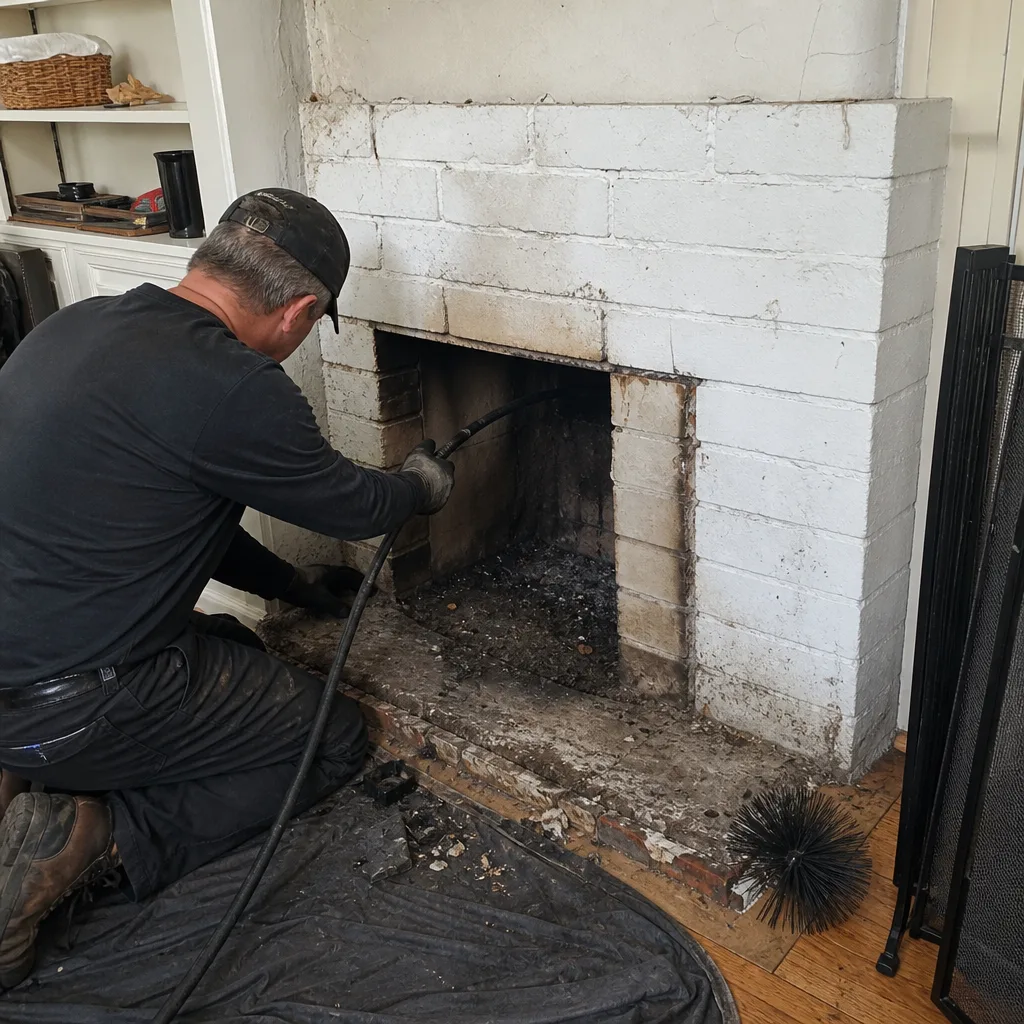
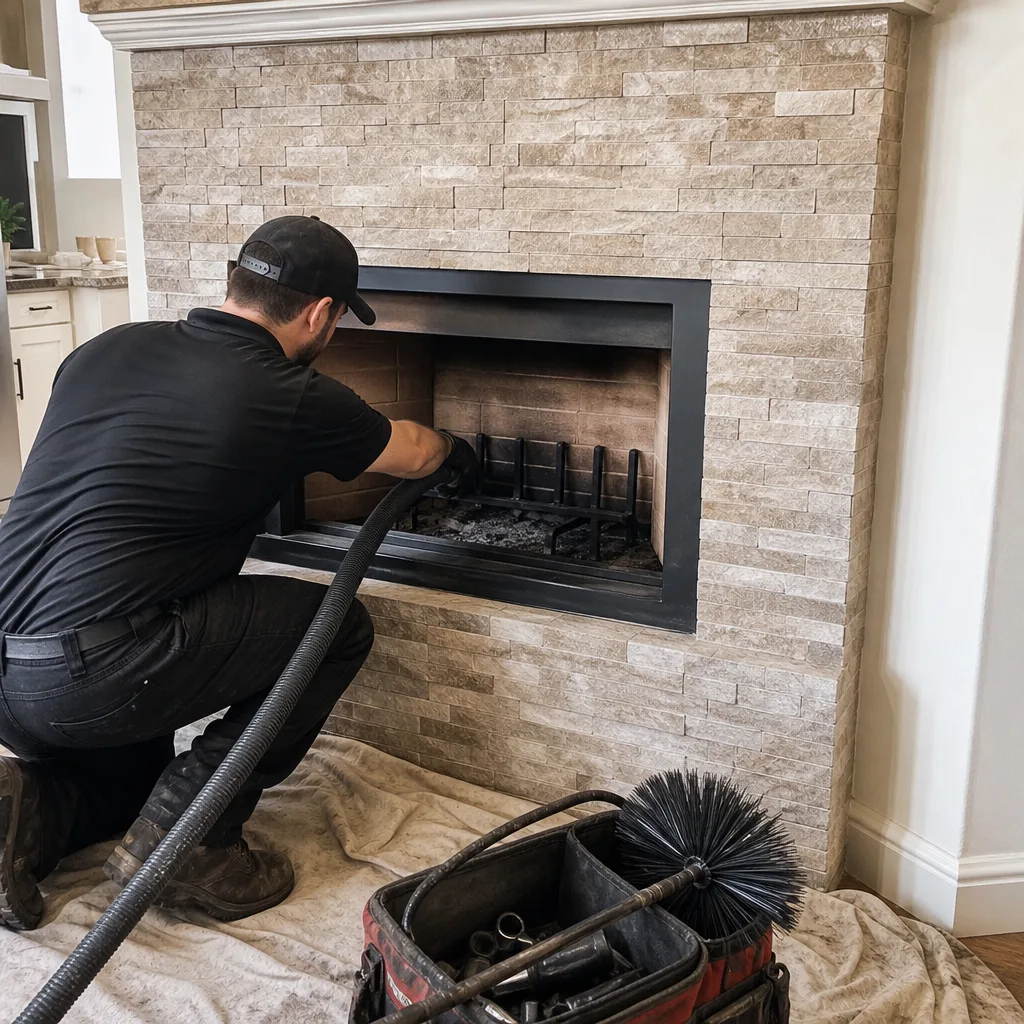
This is a practical question with serious implications. A professional sweep uses drop cloths, HEPA-filtered vacuums, and sometimes tarps to seal off the firebox opening. A careless crew tracks soot through your living room. More than that, a professional uses tools that control dust rather than scattering it into your home’s air. If the technician can’t describe their dust containment method in detail, assume you’ll be vacuuming soot out of your carpet for a week. Any legitimate Folsom chimney service should treat your home the way they’d treat their own, and that starts with protecting it from the very beginning of the job.
Red Flags in Chimney Service Quotes
Quotes reveal more about a company than their website ever will. Here’s what to watch for when the estimate comes back from a Folsom contractor.
Flat-Rate Pricing That Ignores System Type
A prefabricated metal chimney and a masonry fireplace with a clay tile liner are completely different systems with different cleaning requirements, different access challenges, and different time commitments. A contractor who quotes the same flat rate for both isn’t doing enough homework to know what they’re actually cleaning. Legitimate pricing should factor in the type of system, the height of the flue, the last known service date, and whether there’s a cap or screen that needs removal. If the quote doesn’t reference any of those details, the contractor hasn’t seen your chimney yet, and the number on the page is just a number.
Pressure to Book “While We’re in the Area”
Volume-based crews run route-dense schedules. They book as many jobs per day as possible in a tight geographic cluster. That’s efficient for them, but it means your job gets whatever time is left in the day. A legitimate chimney company in Folsom should be willing to schedule your service based on your schedule and their actual workload, not on a manufactured urgency about a truck that happens to be nearby. If the push to book today is stronger than the willingness to explain what the service actually includes, walk away.
Quotes That Don’t Include an Inspection
Any quote for chimney cleaning in Folsom that doesn’t include at minimum a Level 1 inspection is incomplete. The inspection is the point. The cleaning removes the immediate fire hazard, but the inspection identifies the structural problems that will cause future hazards. A company that separates cleaning and inspection into two separate paid services is treating safety as a premium upsell. In our view, every sweep we perform includes a documented inspection because the cleaning and the assessment are two halves of the same safety task. If your quote lists them as line items with separate prices, ask why.
No Mention of Last-Service Date
When we quote a job in Folsom, one of the first questions we ask is “when was this system last cleaned?” If it’s been five years, we’re budgeting for a heavier creosote load, potentially a glaze that requires chemical treatment, and more time on the roof. If it’s been eighteen months, the job is simpler. A contractor who doesn’t ask that question before quoting isn’t planning the work at all; they’re just plugging numbers into a template.
Material Substitution Without Explanation
When a quote involves replacement parts, a cap, a crown repair, or a liner, the quote should name the material. We install hardware from Gelco and Famco, and liner systems from DuraFlex, because professional-grade components have rated performance characteristics that big-box substitutes don’t. If a quote just says “new cap” without specifying what kind of cap, what material, or what manufacturer, you have no way to evaluate whether you’re getting a commercial-quality part or something pulled off a shelf at a hardware store. Ask for specifics. A real specialist names their materials proudly.
What a Legitimate Inspection Report Should Contain
Most one-page service summaries are worthless. They say “chimney cleaned, no issues found” and leave you with nothing you can use. A legitimate written inspection report is a document you should be able to file away and reference years later. Here’s what it should contain.
Visual documentation. The report should include photos. Real photos, taken on your chimney, showing the flue interior from the camera inspection, the firebox condition, the crown from above, and any areas of concern. If there are no photos, the company either didn’t do a camera inspection or they’re not sharing what they saw. Either way, you haven’t received an inspection report; you’ve received a receipt.
Specific measurements. A legitimate report records data: the length of the flue, the dimensions of the smoke chamber, the thickness of the creosote layer (measured, not guessed), the type of liner material, and the clearance distances from combustible materials. These numbers matter because they establish a baseline. Two years from now, when you’re deciding whether to reline, you can compare the current condition to the documented condition. Without that baseline, every future inspection starts from zero.
A clear code assessment. Folsom enforces California building codes, which incorporate NFPA 211 standards for chimney construction and maintenance. A real inspection report should state clearly whether your system meets current code, and if it doesn’t, what specifically falls short. “Recommended action: none” is not the same as “system meets NFPA 211 clearance requirements.” A specialist knows the difference and documents it.
A prioritized repair list. Not every issue found during an inspection needs immediate attention. A legitimate report separates urgent issues from wear items that can wait. “Hairline crack in crown, monitor annually” is a useful recommendation. “Crown damage, recommend repair” with no urgency assessment is not. The report should allow you to make an informed decision about what to fix now and what can safely wait. We take this seriously because we’ve seen too many Folsom homeowners told they need thousands of dollars of work when a camera inspection would show the system is functionally sound.
Signature and date. The report should be signed by the technician who performed the inspection, and it should be dated. This seems obvious, but a surprising number of companies issue unsigned, undated reports. A report you can’t attribute is a report you can’t use.
Step-by-Step Hiring Process for Folsom Homeowners
Here’s the full process, start to finish, for hiring a chimney cleaning contractor in Folsom. We’ve structured this as a checklist you can follow in order.
- Identify your system type. Before you make a single call, know what you have. Is it a wood-burning fireplace, a gas insert, a wood stove, or something else? Is the chimney masonry or prefabricated metal? How tall is the flue, roughly? You don’t need to be an expert; you just need to describe your system accurately so quotes can be meaningful.
- Make initial contact with two or three companies. Call each one and ask the same set of basic questions: Are you CSIA-accredited? Do you carry insurance specific to chimney work? Do you offer same-visit inspection and cleaning? Does your written report include photos? Take notes on each call.
- Request documentation before scheduling. Ask for the COI. Ask for proof of CSIA accreditation. A company that can’t produce this paperwork before the job can’t produce it after. Get the documentation in your email inbox before you agree to a date.
- Schedule with the company that passed the phone test. This isn’t necessarily the cheapest. It’s the company that answered your questions directly and provided documentation without friction. In Folsom, you’ll find a range of pricing, and the cheapest operations are usually the ones that failed the phone test.
- Prepare your fireplace area. Clear furniture away from the hearth. Move anything you don’t want dusted. If you have children or pets, plan to keep them out of the room during the service.
- Meet the technician at the door and ask the five job-site questions. This is your second screen. A company passed the phone test, but the individual technician on the job still needs to answer clearly. If the technician is vague, evasive, or unfamiliar with the concepts, stop the job and call the office.
- Observe the process without hovering. You don’t need to supervise every minute, but you should watch enough to confirm that dust containment is in place, the firebox is sealed, and the technician is working systematically rather than rushing.
- Review the written report before paying. If the report doesn’t include photos, measurements, a code assessment, and a prioritized list, ask questions. Don’t hand over payment for a receipt when you were promised an inspection.
- File the report. Keep it somewhere you can find it in two years. The baseline it establishes is worth more than the cleaning itself over the long run.
What Does Chimney Cleaning Actually Cost in Folsom?
Folsom pricing for chimney services varies based on system type, accessibility, and time since the last cleaning. Here’s what we see in the current market.
- Basic sweep, masonry fireplace, good condition: $180-$240. This assumes recent service and no unusual access challenges.
- Standard sweep, average condition, 2-3 years since last service: $220-$300. Time on the roof is longer, creosote load is heavier.
- Heavy creosote or glaze, requiring chemical treatment: $300-$400+. Glaze is a hardened, tar-like creosote that brushes can’t remove. It requires chemical or mechanical treatment and multiple passes.
- Prefabricated metal chimney: $180-$280. Metal systems clean faster than masonry, but access can be trickier on some Folsom home designs.
- Dryer vent cleaning: $90-$150 as a standalone service. Many companies offer package pricing on dryer vent cleaning in Folsom when combined with a chimney sweep.
If a quote comes in dramatically below these ranges, ask what’s included. A $79 “chimney special” is usually a pitch to get a technician in the door, where the real money is made on upsell repairs. That doesn’t mean every low quote is dishonest, but it means you should ask harder questions about what that price actually covers. In Folsom, we find that homeowners who hire on price alone are the ones most likely to be told they need unverified repairs later.
Common Mistakes to Avoid
- Hiring on price alone. The cheapest chimney sweep in Folsom is usually cheap for a reason: minimal training, no camera equipment, no dust containment, or a business model built on selling repairs rather than providing thorough service. You get one of these realities, and sometimes all of them.
- Skipping the insurance check. Most homeowners never ask for a COI, which means they’re effectively uninsured against damage caused by the contractor. That’s an accepted risk for a handyman, but it’s an unnecessary risk for work performed on your roof and inside your chimney.
- Assuming certification equals company quality. A CSIA-certified individual is not the same as a CSIA-accredited company. We covered this distinction earlier because it’s the single most common misunderstanding in the industry, and getting it wrong means the person on your roof may not be the person whose credential you verified.
- Not asking about the smoke chamber. Skipping this question means you might pay for a cleaning that doesn’t clean the most fire-prone part of your system. It’s a free question that pays for itself in the quality of the answer.
- Accepting a report without photos. Written words can be vague. Photos can’t. If the company did a camera inspection and won’t show you the images, something doesn’t add up.
- Treating chimney cleaning as optional home maintenance. In Folsom, we use our fireplaces in the winter, and the creosote from season after season builds up. Skipping service for years isn’t saving money; it’s deferring a larger, more expensive problem.
- Using an unverified referral from a neighbor. Good referrals are valuable, but they’re no substitute for your own verification. Your neighbor’s chimney system is different from yours, their insurance situation is different, and their standards for “good work” may not match yours. Verify every contractor on their own merits.
When to Call a Professional
Chimney cleaning is not a DIY project for two reasons. The first is physical: you’d need a ladder, roof access, safety equipment, specialized brushes sized to your flue, a HEPA vacuum, and drop cloths, and even then you’d be guessing at what you’re actually removing. The second is diagnostic: you can’t see the inside of a smoke chamber from the top of a ladder, and you can’t assess liner condition without a camera. The value of professional service isn’t the brushing; it’s the inspection. If you haven’t had your chimney serviced in two or more years, call a professional. If you’ve just moved into a Folsom home with an unknown service history, call a professional. If you notice a strong creosote smell, smoke backing into the house, or you’re burning more wood than usual for the same heat output, those are warning signs that a professional should evaluate. Chimney Sweep Folsom offers free estimates in Folsom – call (833) 589-9896 to schedule one.
Frequently Asked Questions
The CSIA recommends annual inspection and cleaning when the system is used regularly. In Folsom, where burn season runs roughly November through February, most homeowners using a wood-burning fireplace should sweep once per year. Our Seasonal Chimney Cleaning Care for Folsom: Year-Round Homeowner’s Guide breaks down the full maintenance calendar. Homes that burn more frequently or burn softer woods that produce more creosote may need service twice during the burn season. Gas inserts produce less creosote but still need annual inspection for venting and moisture issues. The safest approach is an annual inspection, with cleaning performed as the inspection findings dictate.
A standard sweep in Folsom runs $180 to $340, depending on system type, flue height, and creosote load. Heavy glaze or systems that haven’t been serviced in years run higher. If you combine chimney sweeping with dryer vent cleaning, many companies offer package pricing. Call (833) 589-9896 for an exact quote on your system – estimates are free.
Sometimes you do, and sometimes you don’t. The only way to know is with a camera inspection that you can see with your own eyes. A cracked or missing clay tile liner in a Folsom home built in the 1970s or 1980s is a real safety issue: gaps between tiles expose the masonry behind the liner to direct heat, which can eventually cause a chimney fire. A full tear-out reline is sometimes necessary, but it’s not the only option. HeatShield resurfacing, which we apply as a certified contractor, can restore aging flue liners without full demolition in many cases. Ask to see the camera footage. If the company won’t show it to you, get a second opinion before approving liner work.
Creosote is unburned wood tar that condenses on the inside of your flue as smoke cools. It’s highly flammable, and once it ignites, it burns hot enough to crack clay tiles, warp metal liners, and spread into the surrounding structure. A chimney fire sounds like a freight train running through your living room, and by the time you hear it, the damage is already happening. If creosote doesn’t catch fire, the buildup still restricts airflow, which means smoke backs into your home and carbon monoxide risk increases. In Folsom, where we burn through the winter, the risk compounds with every season of deferred service. Call (833) 589-9896 to schedule a free estimate before burn season starts.
Yes, and here’s why: dryer vent fires are one of the leading causes of residential house fires in the United States, and most homeowners have no idea their vent is clogged until the dryer starts taking twice as long to dry clothes. In Folsom, where many homes route dryer vents through walls or across attic spaces with long runs, lint accumulates faster than in shorter vent runs. If you’re already scheduling a chimney service, adding a dryer vent cleaning to the same visit saves you a second dispatch fee and addresses a hazard that’s just as serious as creosote. We offer both services under one roof for exactly this reason.
A Level 1 inspection is a visual check of the readily accessible parts of your chimney and fireplace, including the flue interior from both ends. It’s appropriate for systems that haven’t changed since the last service. A Level 2 inspection adds examination of accessible areas in attics, crawlspaces, and basements, along with everything in a Level 1. Level 2 is required when you change the fuel type, replace the liner, or purchase a home. Most Folsom homeowners buying or selling a home need a Level 2 inspection. Most routine annual service uses a Level 1. A professional can tell you which one applies to your situation.
The Bottom Line
Hiring a chimney cleaning contractor in Folsom doesn’t have to be a gamble. Ask for the documentation: CSIA accreditation, insurance specifically for chimney work, and a written report with photos and measurements. Ask the five job-site questions, starting with the smoke chamber. Watch for red flags in the quote: flat-rate pricing that ignores system type, pressure to book immediately, and vague material descriptions. Expect to pay $180 to $340 for a standard sweep, and be suspicious of anything dramatically cheaper. The goal isn’t the lowest price; it’s a contractor who can prove, in real time, on your roof and in your firebox, that they know what they’re doing. When you find that company, keep their number. In Folsom, that’s what we strive to be every time we answer the phone.
Written by the team at Chimney Sweep Folsom, serving Folsom since 2011.
See the difference
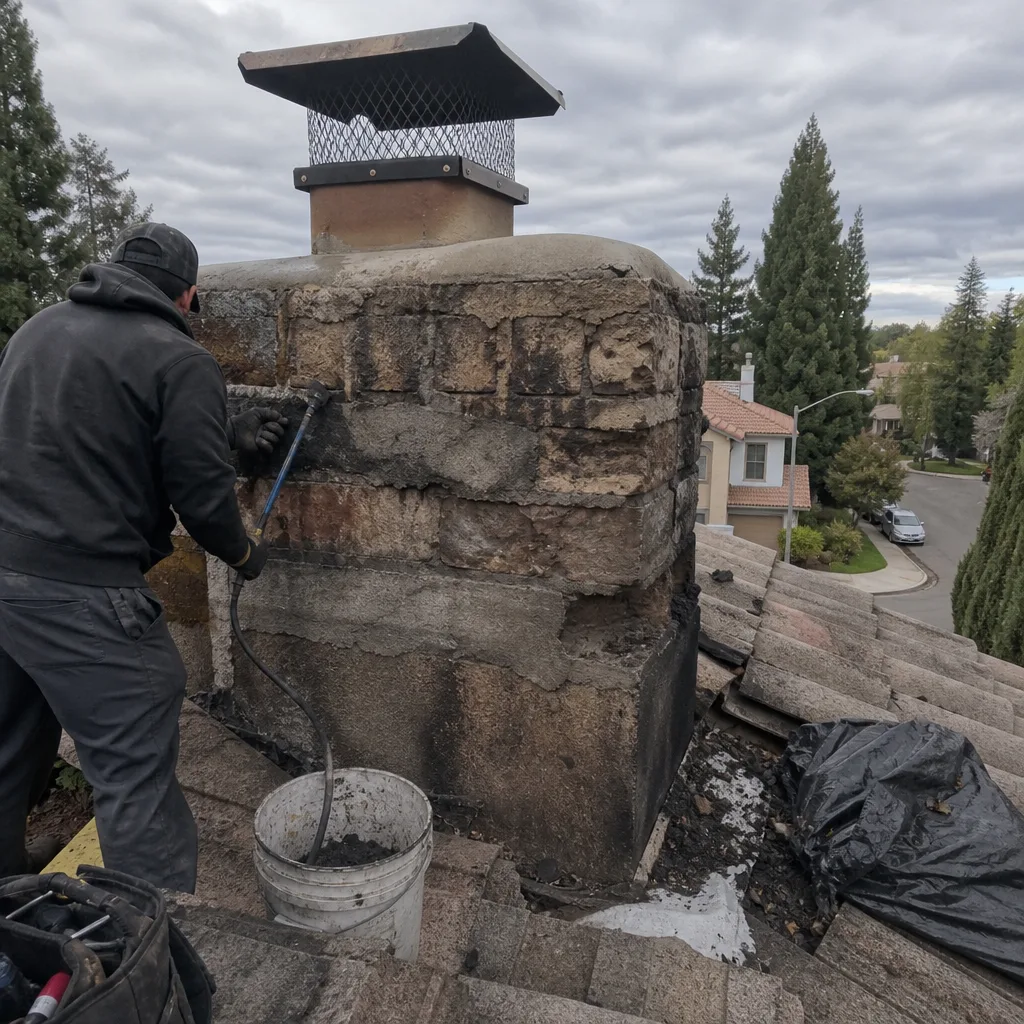 Before
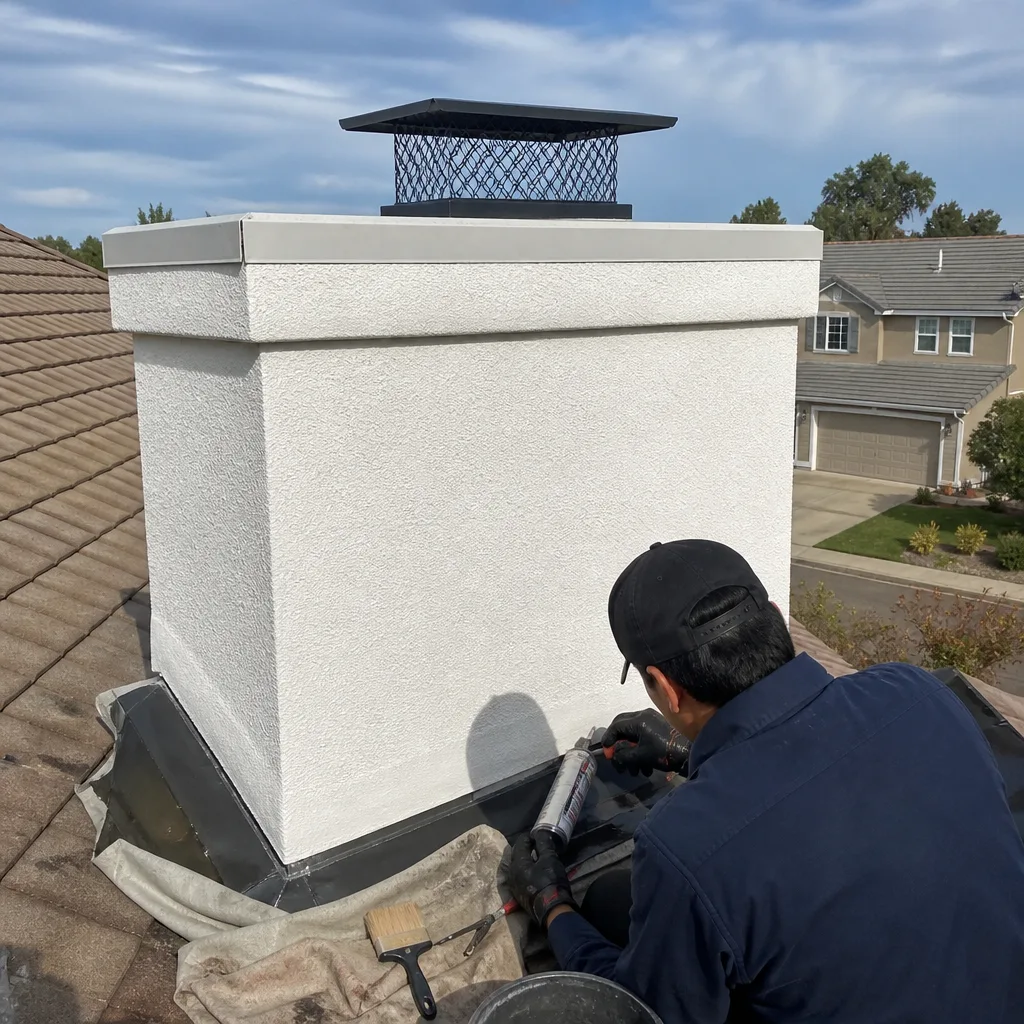 After
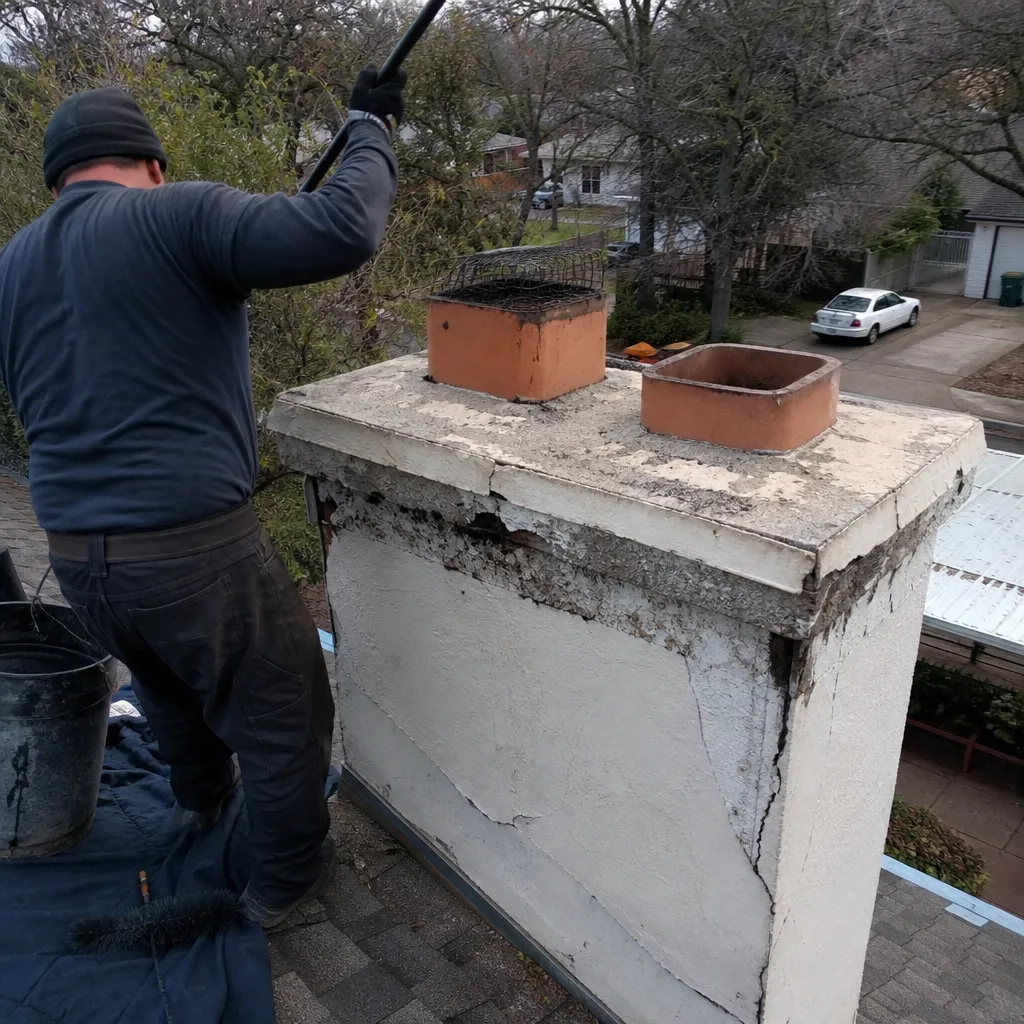 Before
 After
 Before
 After