
Last updated November 2, 2026
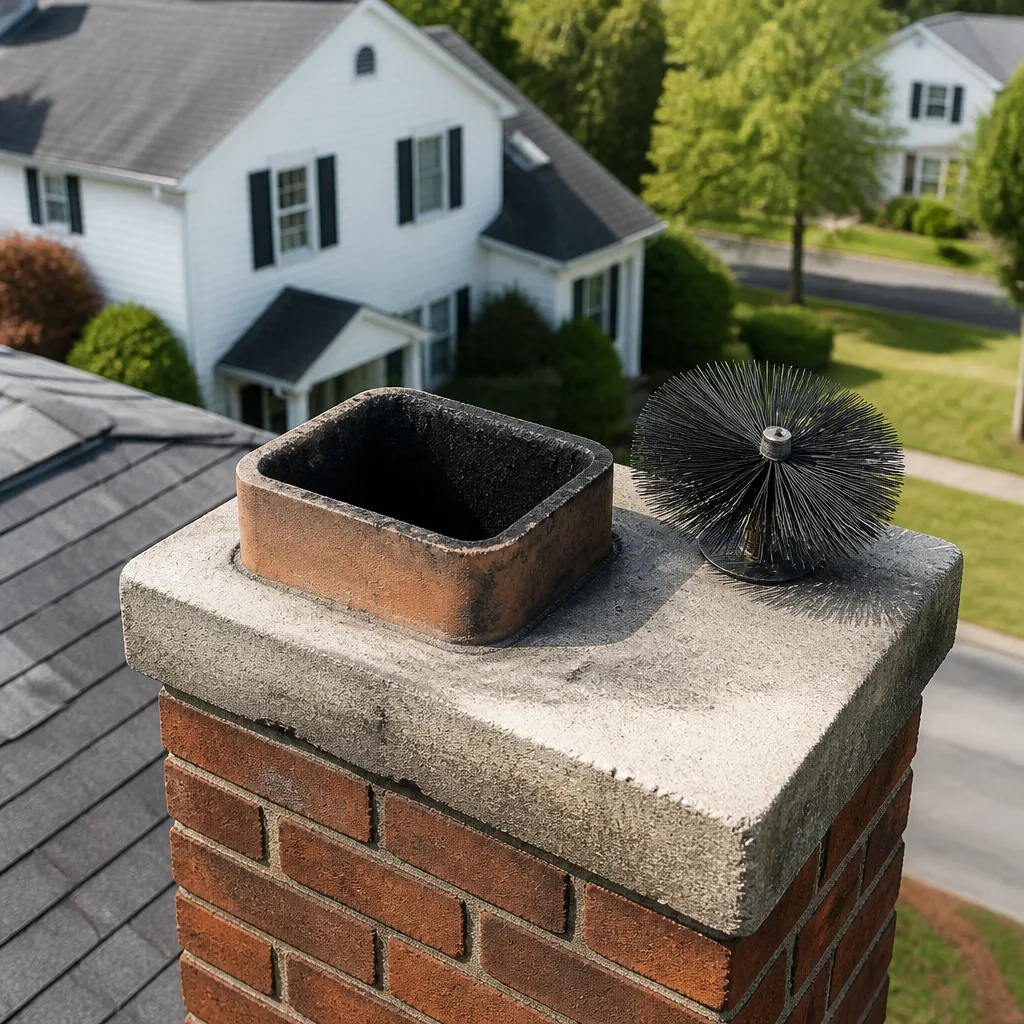 Sweep & inspection
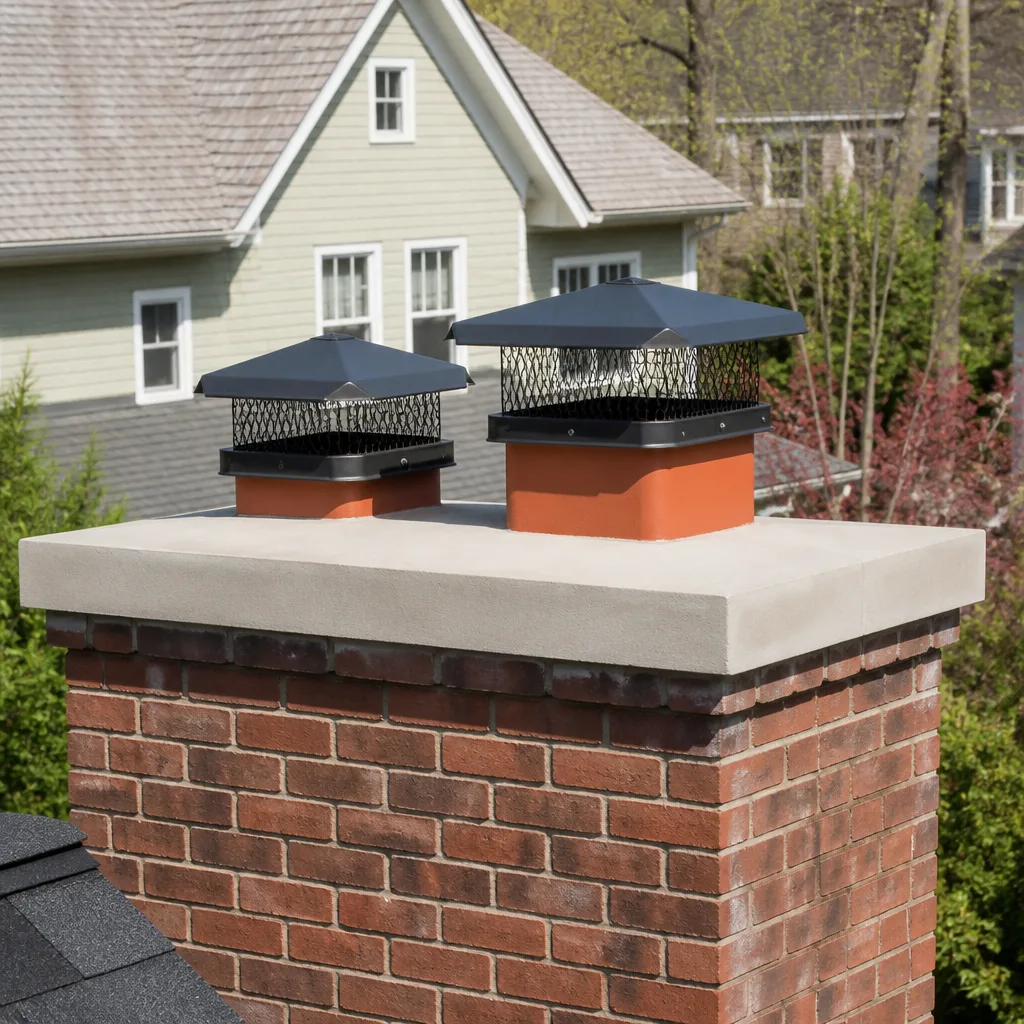 Caps & crowns
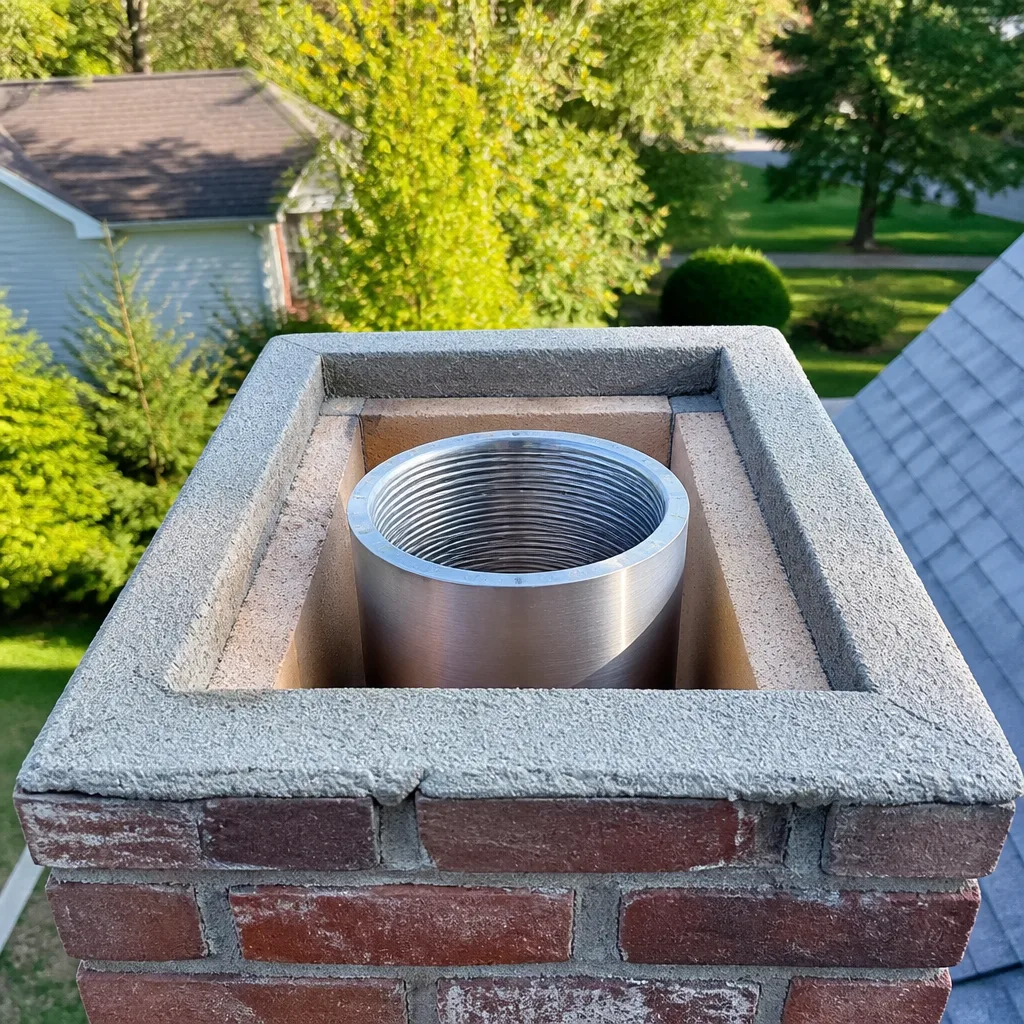 Flue relining
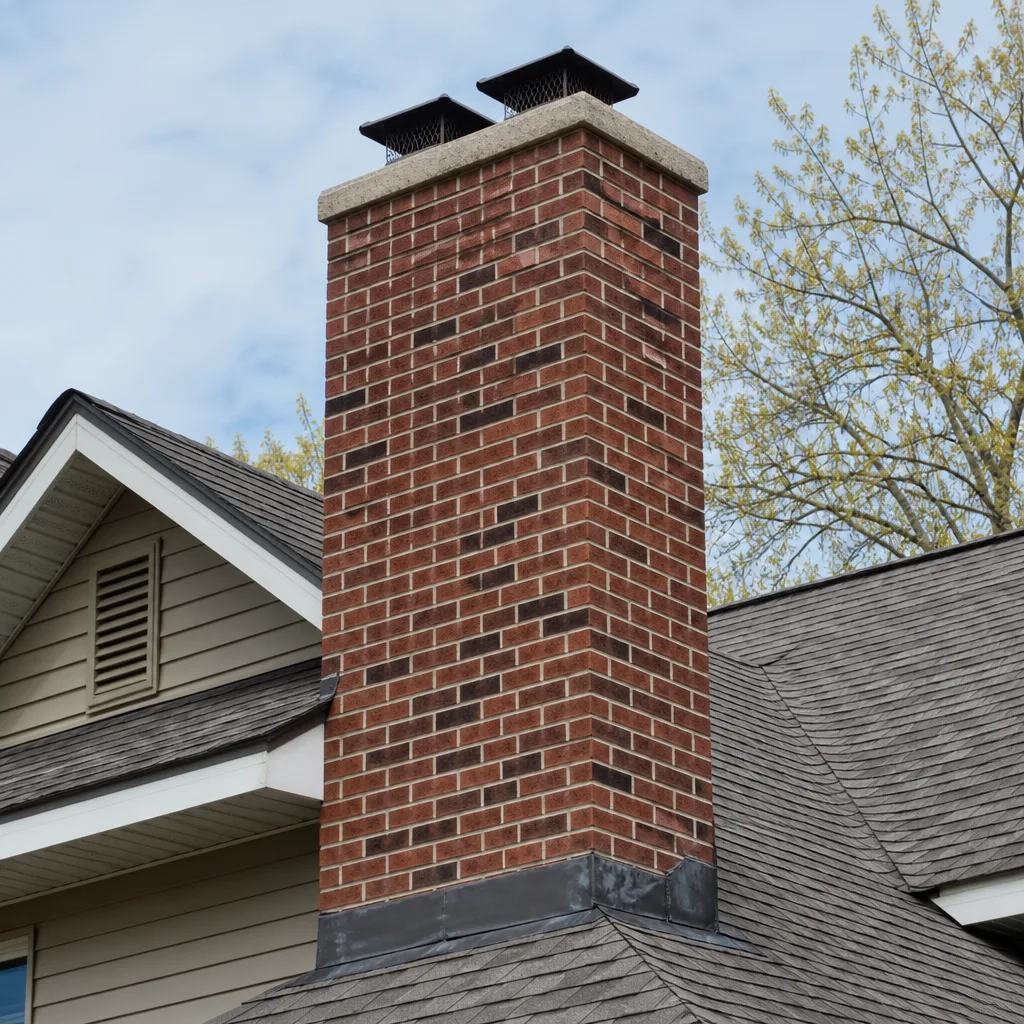 Masonry repair
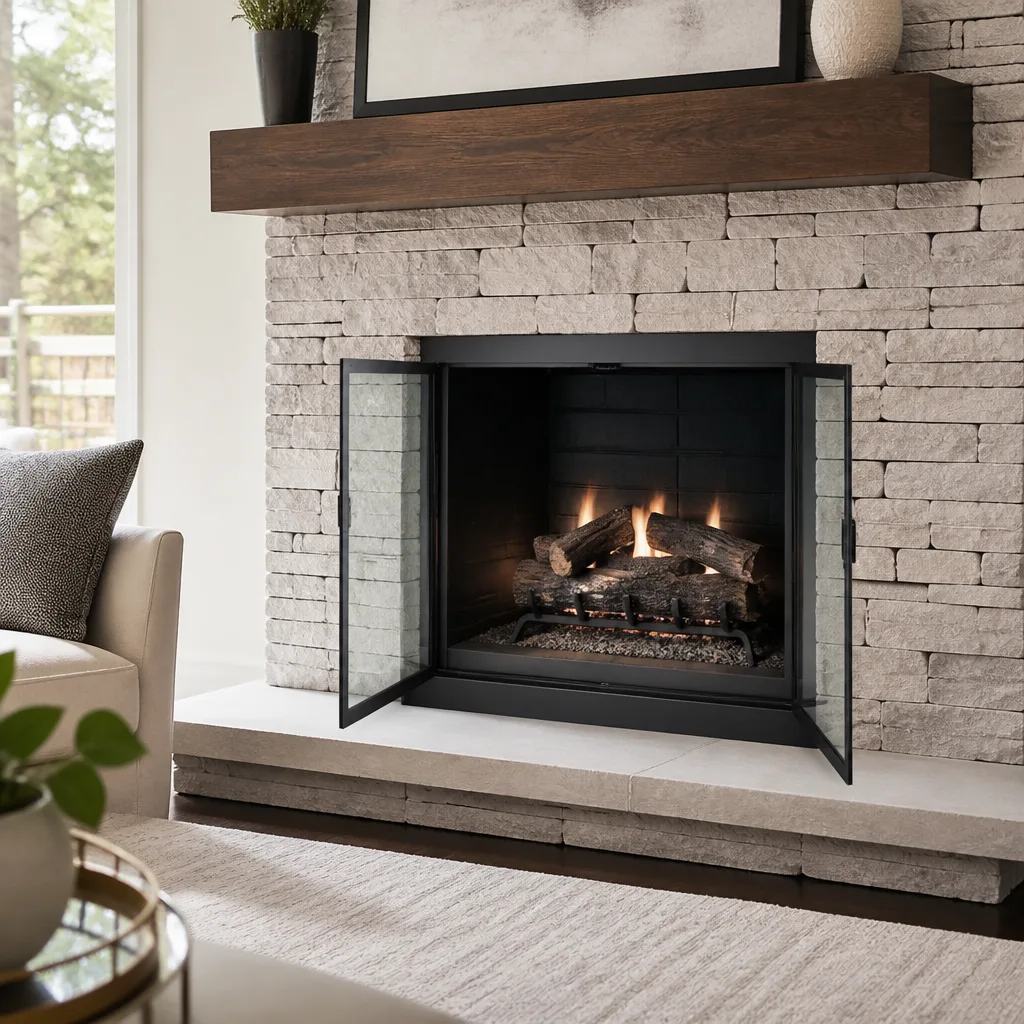 Gas fireplace service
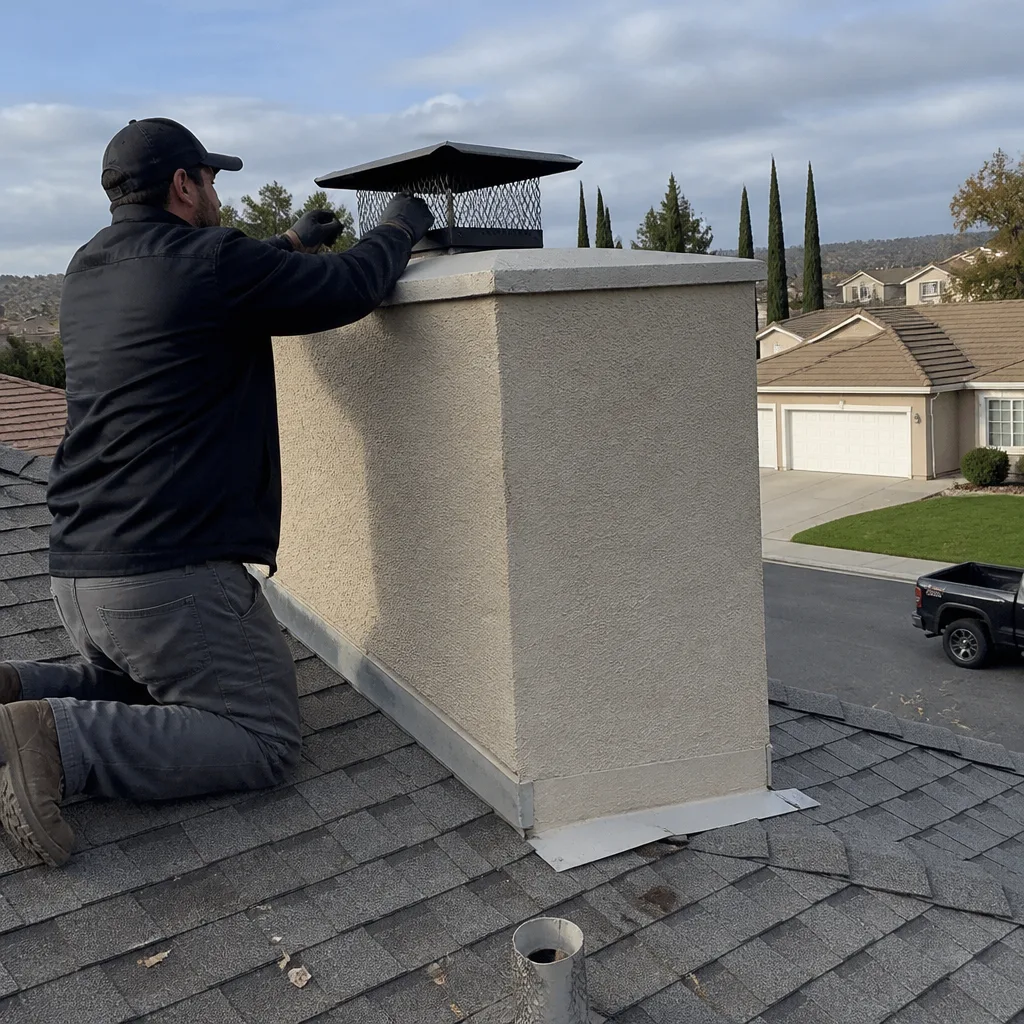
Level 1 sweep and inspection to the NFPA 211 annual standard - flue, crown, cap, and flashing checked and photographed
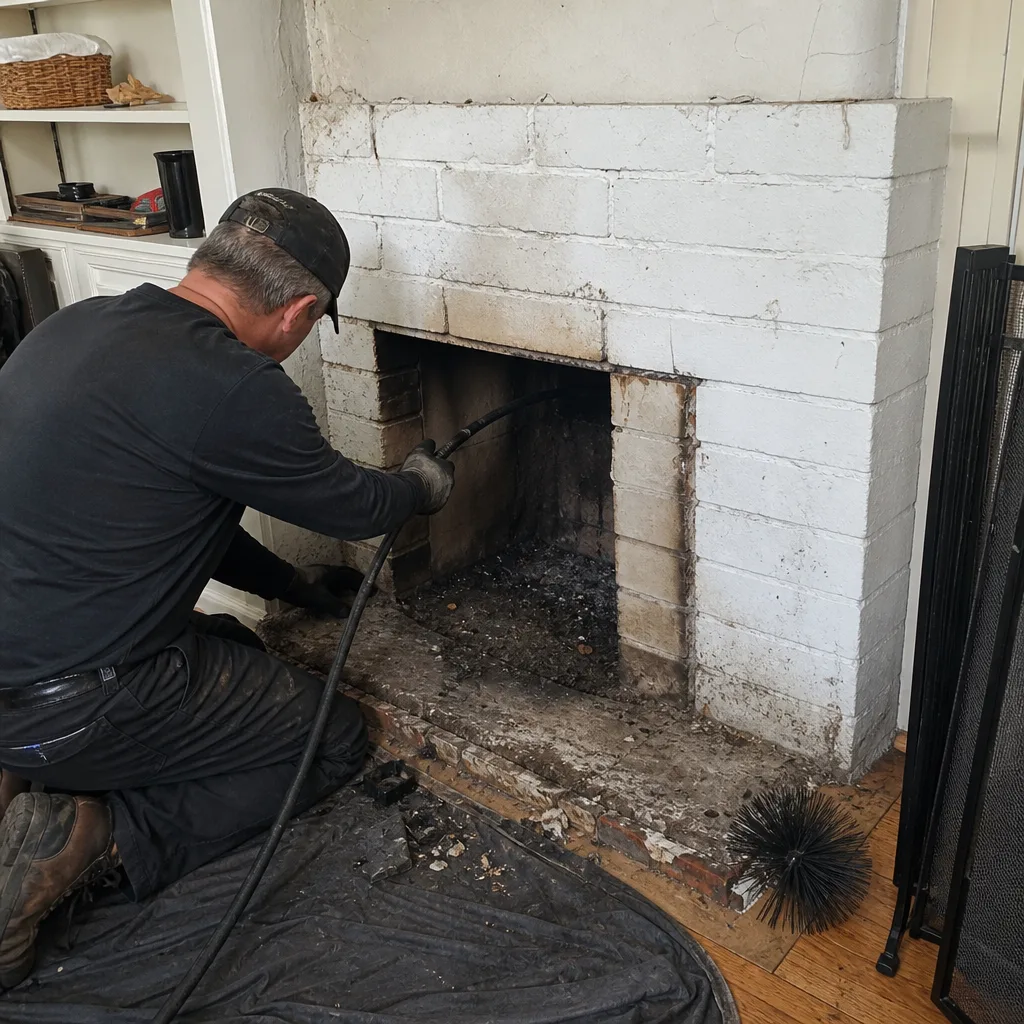
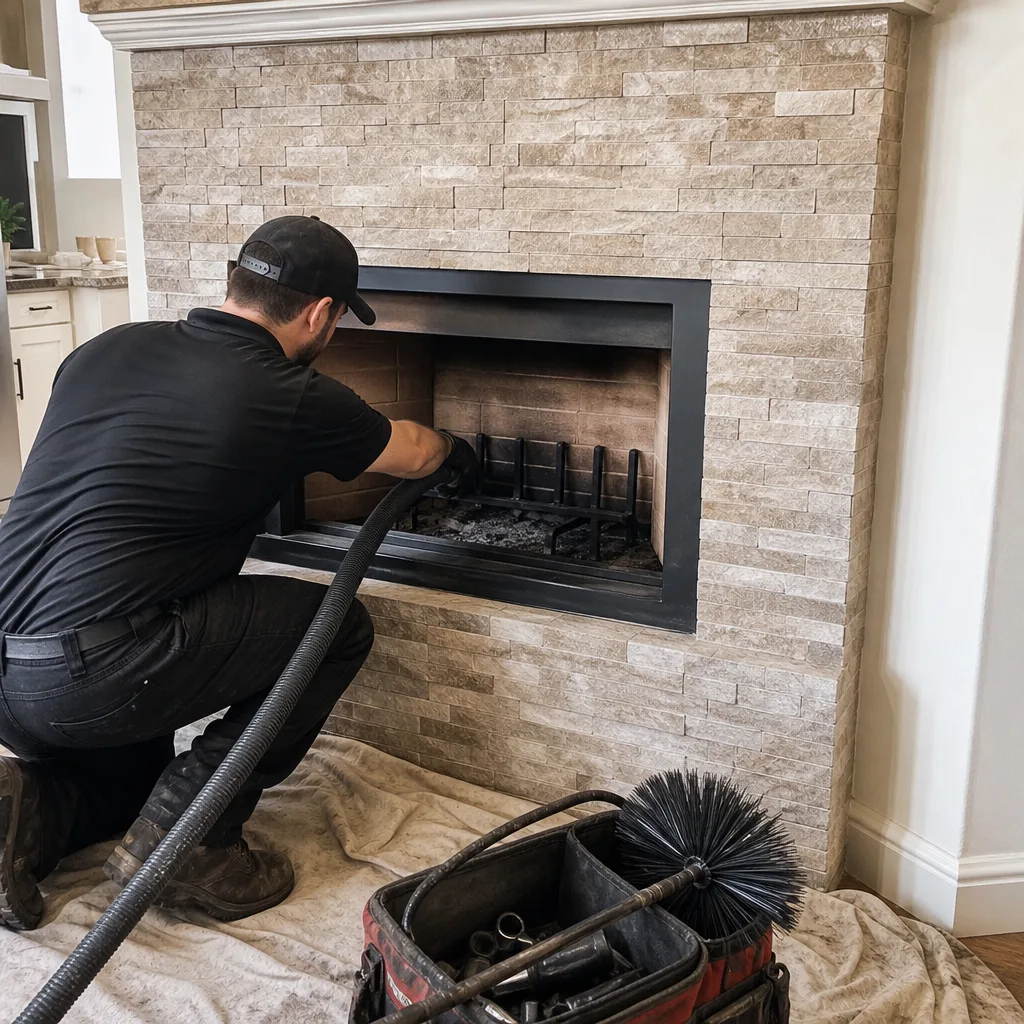
Chimney sweep logs do not sweep chimneys. They loosen some creosote - which then falls where a brush and vacuum still have to collect it.
Chimney Cleaning Permits, Codes & Inspections in CA: What You Need to Know
Most Folsom homeowners assume any work involving a chimney comes wrapped in red tape. The reality is simpler than that: a routine cleaning requires no permit anywhere in California. But the moment that cleaning uncovers a cracked flue liner, a deteriorated firebox, or a rusted chase top, you’ve crossed from maintenance into construction territory. And in Sacramento County, construction territory means permits, inspections, and paperwork that most homeowners never see coming. This guide walks through exactly where that line sits, what codes apply, who enforces them in the Folsom area, and what happens if you skip the process and sell your house later.
Quick Answer
Chimney sweeping itself requires no permit in California. Repairs uncovered during a sweep often do require permits, especially relining, firebox rebuilds, and structural chase work, enforced by local building departments including Sacramento County serving Folsom. Inspections follow NFPA 211 standards, and unpermitted repair history becomes a mandatory disclosure item when you sell under California Civil Code 1102.
Styles & brands we work with
- Sweep & inspection
- Caps & crowns
- Flue relining
- Masonry repair
- Gas fireplace service
Table of Contents
- Where the Permit Line Actually Sits
- California Mechanical Code vs. Local Folsom Jurisdiction
- The Repair Categories That Trigger Permits in Sacramento County
- How NFPA 211 and Title 24 Work Together
- SMAQMD Burn Days and Your Compliance Obligations
- Level 2 Inspections: Real Estate vs. Routine Service
- The Permit Process: What Actually Happens
- Unpermitted Work and California Disclosure Law
Where the Permit Line Actually Sits
A chimney sweep in Folsom is classified as routine maintenance. You don’t need a permit for it, you don’t need an inspection afterward, and no government agency tracks whether you did it. The sweep falls under general property upkeep, the same category as cleaning gutters or servicing a water heater. This surprises homeowners who assumed anything involving fire and exhaust would trigger oversight.
What many don’t realize is that the sweep itself frequently becomes the mechanism that triggers a permit requirement. The service uncovers conditions that a homeowner would otherwise never see: hairline cracks in clay tile liners, spalling brick in the firebox, corrosion on the damper assembly, gaps in the crown. Those findings are not cosmetic. Under the California Mechanical Code, repairing them constitutes alteration of a mechanical system, and that’s where the jurisdiction starts paying attention.
Here’s the practical distinction: cleaning removes deposits. Repair modifies the structure or function of the chimney. Cleaning is exempt. Repair is regulated. And that regulation isn’t theoretical; the Chimney Repair in Folsom work we perform falls under current code requirements whenever it changes how the chimney functions or restores structural integrity.
In our experience, the homeowners most likely to get caught off guard are those with older wood-burning fireplaces in Folsom’s established neighborhoods. Chimneys built in the 1970s and 1980s used clay tile liners that degrade predictably over 40 to 50 years. When a sweep reveals that degradation, the report creates a documented condition. From that moment, doing nothing is a decision with consequences.
California Mechanical Code vs. Local Folsom Jurisdiction
California operates on a two-layer system for chimney regulation. The state adopts the California Mechanical Code, which incorporates model standards for chimney construction, venting, and appliance installation. That code sets the floor: what materials are acceptable, what clearances are required, what constitutes code-compliant flue sizing. Every jurisdiction in the state must meet or exceed it.
Local enforcement sits with the building department. For Folsom homeowners, that’s the Sacramento County Building Inspection Division, which serves as the enforcement authority unless the city contract specifies otherwise. The county reviews permit applications, conducts field inspections, and maintains the permanent records that become relevant when a property changes hands.
What this means in practice: a chimney liner replacement in Folsom must comply with California Mechanical Code provisions on venting materials and sizing, but the permit itself comes from Sacramento County. The county inspector verifies compliance at the rough-in stage and again at completion. The two layers don’t conflict, but they do create confusion. Homeowners call us asking why an inspector cares about a liner they thought was just a “replacement part.” The answer is that liners are not parts; under the mechanical code, they’re critical safety components in an exhaust system.
Anyone doing work in the Folsom area should confirm current permit thresholds with the county directly. Codes update on cycles, and enforcement emphasis shifts. The mechanical code provisions that applied ten years ago are not identical to what an inspector checks today.
The Repair Categories That Trigger Permits in Sacramento County
Not every chimney repair requires a permit. Patching a small crown crack with sealant, replacing a damper plate, or swapping a rusted rain cap are generally considered minor maintenance. The line crosses into permit territory when the repair alters structure, changes venting, or modifies the firebox.
Here are the categories that consistently trigger permit requirements for Folsom residents:
- Flue relining or resurfacing. Installing a new liner or applying a resurfacing system like HeatShield chimney relining modifies the venting system. Sacramento County treats this as an alteration requiring plan review and inspection. In our work, we use HeatShield for eligible flues precisely because it’s designed to restore liners without full tear-out, but code compliance still applies.
- Firebox rebuilding. Removing and reconstructing the firebox changes a structural component of the fireplace. This always requires a permit, and the inspector will check firebrick specification, mortar type, and clearances to combustibles.
- Chase reconstruction or significant masonry rebuilds. If a chase (the framed enclosure around a prefabricated or factory-built chimney) is rebuilt, that’s structural work. The county will require engineered details showing proper framing and fireblocking.
- Flue size changes. If you replace a liner with a different diameter or convert from one fuel type to another, the mechanical code’s sizing requirements kick in. Converting a wood-burning fireplace to gas logs, for example, requires evaluation of the existing flue against the new appliance’s venting needs.
- Chimney removal or height changes. Removing a chimney entirely or changing its termination height changes the building envelope. Permits ensure the roof repair is done correctly and that any remaining venting still complies.
The common thread: if the repair restores function using equivalent materials without modifying the system, it may stay under the permit threshold. If it changes how the chimney vents, what it’s made of, or how it’s structured, assume you’ll need county approval. We’d rather have a homeowner over-prepare than discover mid-project that an inspector wants to see plans that don’t exist.
How NFPA 211 and Title 24 Work Together
California’s Title 24 Building Energy Efficiency Standards and NFPA 211 (the National Fire Protection Association standard for chimneys, fireplaces, vents, and solid fuel-burning appliances) operate in different lanes, but they intersect at the chimney in ways that matter for Folsom homeowners.
NFPA 211 is a safety standard, not a law by itself. But California adopts its provisions into the mechanical code by reference, making them enforceable. NFPA 211 establishes the inspection levels (Level 1, Level 2, Level 3) that certified sweeps use, specifies the conditions that require repair or replacement, and sets the clearance-to-combustibles distances that protect framing from heat transfer. When a Folsom inspector approves a chimney repair, they’re applying NFPA 211-derived requirements.
Title 24 addresses energy efficiency, including building envelope and heat loss. For fireplaces and chimneys, Title 24’s interaction tends to focus on damper sealing requirements for new construction and major remodels, and on what happens to a chimney when a home undergoes energy upgrades. An older Folsom home getting significant insulation and air-sealing work may see the chimney’s draft behavior change, and Title 24 documentation requirements can surface chimney conditions that previously went unnoticed.
Where these standards collide most visibly is during remodel or addition projects. A homeowner adding square footage in Folsom pulls permits for that addition. The building department reviews the scope, and if any chimney work is in the plans or adjacent to the work area, NFPA 211 compliance becomes part of that review. Title 24 documentation forces the chimney to be accounted for in the energy model. Homeowners who assumed the chimney was untouched suddenly get correction notices about flue clearances or damper sealing.
In practice: if your chimney work is triggered by a remodel, expect both safety and energy compliance to be evaluated. That’s not bureaucratic piling-on; it’s how the state ensures that a construction project doesn’t compromise fire safety while improving thermal performance.
SMAQMD Burn Days and Your Compliance Obligations
The Sacramento Metropolitan Air Quality Management District (SMAQMD) regulates wood burning in Folsom and surrounding Sacramento County communities. Their rules operate independently of building permits, but they create compliance obligations that homeowners often conflate with chimney codes.
SMAQMD issues seasonal restrictions under its “Check Before You Burn” program, which typically runs November through February. During Spare the Air days, wood burning is prohibited unless the home has no natural gas service and wood is the sole source of heat. The district enforces these rules through citizen reports and periodic patrols. A single burn-day violation can result in a citation.
The connection to your chimney: SMAQMD’s rules assume a properly functioning, adequately maintained chimney. If your chimney smokes excessively because of creosote buildup, drafting problems, or a failing liner, you’re more likely to draw attention, and more importantly, you’re operating outside the district’s assumptions. A clean, code-compliant chimney burns more efficiently and produces less visible emissions.
For Folsom homeowners, the practical compliance checklist looks like this:
- Check burn-day status before lighting a fire during the restricted season. SMAQMD maintains a daily status line and website.
- Keep the chimney swept on NFPA 211’s schedule: at minimum annually for wood-burning fireplaces in regular use, and more frequently if the firebox accumulates 1/8 inch or more of soot.
- Stay current on liner condition. A deteriorated liner doesn’t just violate mechanical code; it makes the fireplace burn inefficiently and produce more particulates, which puts you on the wrong side of air district expectations.
- Replace outdated stoves and inserts with EPA-certified appliances if you’re upgrading. Newer units burn cleaner and often face fewer air-district restrictions.
Burn-day rules don’t require a permit, but they do require diligence. Folsom’s air quality is managed, not open-access, and the days of lighting up without checking are over for any homeowner who wants to stay compliant.
Level 2 Inspections: Real Estate vs. Routine Service
A Level 2 inspection is defined by NFPA 211 as a more comprehensive evaluation than a standard Level 1 sweep. It’s triggered by a change in the system: a sale of the property, a change in fuel type, an operating malfunction, or a weather event like an earthquake or chimney fire. Here’s what homeowners in Folsom need to understand about the difference between a routine service call and a Level 2 inspection.
During a routine sweep, the technician evaluates accessible portions of the chimney: the firebox, damper, cap, crown, and flue as far as visible from top and bottom. A Level 2 expands the scope. It adds accessible attics, crawl spaces, and basements to check clearances in concealed areas. It may involve video scanning of the flue interior. It documents conditions that would otherwise stay hidden until they cause a problem.
In a real estate transaction, the Level 2 inspection serves a specific purpose. Under California Civil Code 1102, sellers must disclose all known material facts affecting the property. A Level 2 inspection report, once completed, creates documented knowledge. If that report identifies a cracked liner, a concealed clearance violation, or a firebox in failure, the seller now has knowledge they must disclose. Choosing to not act doesn’t remove the obligation to disclose.
Here’s a Folsom-specific scenario we see regularly. A home in the Briggs Ranch area goes under contract. The buyer’s home inspector flags the chimney and requests a Level 2. Our tech scans the flue and finds a 6-foot vertical crack in the clay liner. The report documents it. The seller now has choices: repair, credit, or disclose. What they cannot legally do is pretend the report never happened.
For a routine service call, no such transaction hangs over the work. You call for a sweep because the fireplace hasn’t been cleaned in three years, or you’ve noticed smoke backing into the room, or you just bought the home and want a baseline. The sweep’s findings still matter, but they create a maintenance decision, not a disclosure event. The key is recognizing when the situation has shifted from “I’d like my chimney cleaned” to “this finding is now part of this property’s legal record.”
The Permit Process: What Actually Happens
If your chimney repair requires a permit in Sacramento County, here’s the sequence, step by step.
- Identify the scope. The chimney technician documents what’s needed: liner replacement, firebox rebuild, chase repair. This becomes the basis for the permit application.
- Submit the permit application. Sacramento County accepts applications through its online portal or in person. You’ll need the property address, scope description, and typically a contractor’s license number if the work is being done by a company rather than the homeowner.
- Plan review. For simple liner replacements or firebox work, review is often over-the-counter or same-day. For complex projects involving structural changes, expect a longer review period with engineered details required.
- Permit issuance and fee payment. Fees are set by the county’s fee schedule and scale with project valuation. A minor liner replacement runs less than a full chimney rebuild.
- Complete the work. The contractor performs the repair to code. For relining projects, this is where materials matter. We install DuraFlex chimney liner systems and Gelco caps because they’re engineered for the flue’s operating conditions, not pulled off a shelf at a hardware store.
- Schedule inspections. For relining, the county typically requires a rough-in inspection before the liner is concealed, then a final inspection after the job is complete. The inspector verifies materials, clearances, and workmanship against the approved plans.
- Final approval. The permit is closed, and the record is filed. This is the documentation you’ll want if you sell the home, because it proves the work was performed to code with county oversight.
For homeowners who’ve never dealt with building permits, the process sounds heavier than it is. The reality: most chimney repair permits in Folsom clear in a few days, and the inspections are straightforward. The cost is modest compared to the liability of unpermitted work, and the documentation is exactly what you need when the house eventually changes hands.
Unpermitted Work and California Disclosure Law
Here’s the hook for anyone in Folsom who’s tempted to skip the permit on a chimney repair: California Civil Code 1102, the statutory transfer disclosure statement, makes no exception for work you didn’t get around to permitting.
The sequence that creates liability is remarkably common. A homeowner calls us for a sweep. We find a deteriorated liner. We recommend relining or resurfacing. The homeowner opts for a handyman replacement done without permits, or worse, does nothing and lists the house six months later. The inspection report exists. The buyer’s inspector finds the condition. The buyer asks questions. The seller’s defense of “I didn’t know” collapses against the documented sweep finding.
California disclosure law requires sellers to reveal all material facts they know or should know. A prior professional inspection that flagged a chimney defect satisfies the “should know” standard. Failing to disclose creates grounds for post-sale litigation, and in California’s real estate market, buyers pursue those claims routinely. The damages are not theoretical: rescission of the sale, repair costs, legal fees, or settlement payments.
Even if you repair the chimney and skip the permit, the disclosure obligation doesn’t vanish. Buyers have a right to know that work was performed on the property, and unpermitted work becomes a title and disclosure issue. Some lenders will condition financing on retroactive permitting, which is costlier and slower than doing it right the first time. Insurance carriers may decline to cover damage attributable to unpermitted work.
The cleanest path through this thicket is unglamorous but effective: when a repair is needed, get the permit. When a repair was done, keep the records. When you sell, disclose what you know. Folsom’s real estate market moves quickly, but a chimney disclosure problem moves faster, and it moves in exactly one direction: toward the seller’s wallet.
Common Mistakes to Avoid
- Assuming the chimney cleaning itself requires a permit. It doesn’t. The permit question only arises when the cleaning uncovers needed repairs, and conflating the two is where confusion starts.
- Treating a sweep report as optional reading. That report documents the condition of a safety system. Once it exists, ignoring it creates documented knowledge that can follow you into a sale.
- Skipping the permit on a liner replacement. Sacramento County treats relining as an alteration requiring approval. The short-term savings disappear when a title company or buyer’s lender flags unpermitted work years later.
- Ignoring SMAQMD burn-day rules during restricted season. Air district enforcement is separate from building permits, and a single violation can cost you. Folsom’s winter burn days require checking before lighting.
- Letting a Level 2 inspection lapse after a sale. NFPA 211 recommends a Level 2 at change of ownership. Skipping it means buying a chimney with unknown concealed conditions.
- Using non-code materials for flue repairs. Hardware-store pipe and improvised caps don’t meet California Mechanical Code standards for venting. The savings vanish at the first inspection or insurance review.
- Assuming Title 24 doesn’t touch your chimney. During remodels and additions, energy efficiency standards can surface chimney compliance issues you didn’t know you had.
See the difference
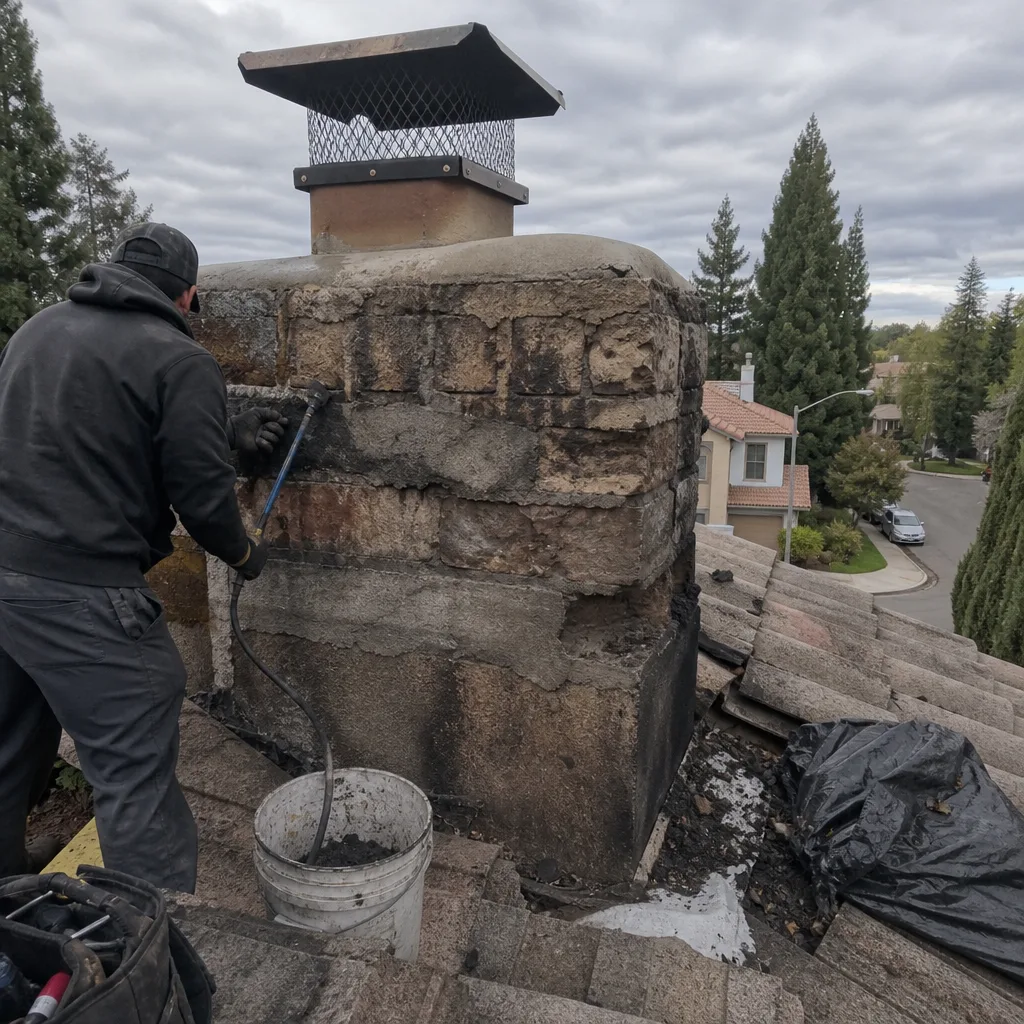 Before
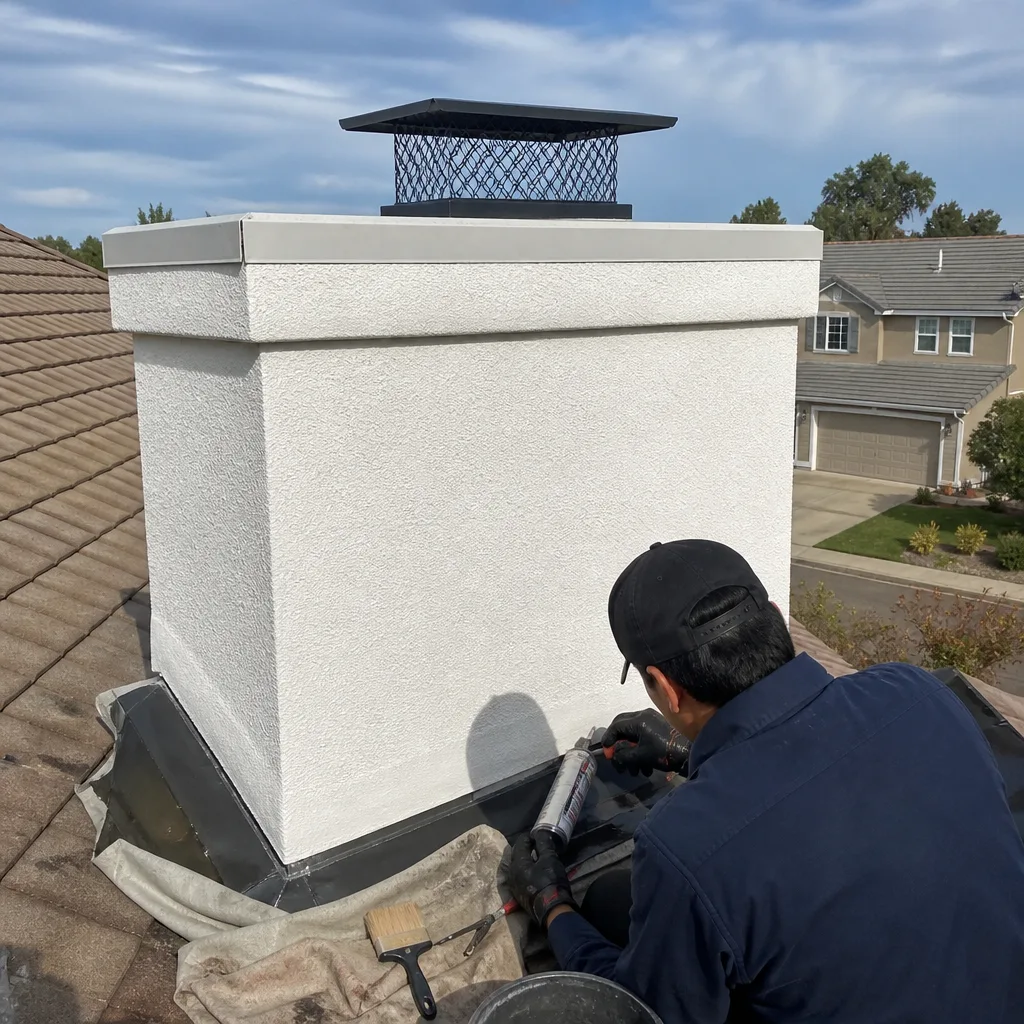 After
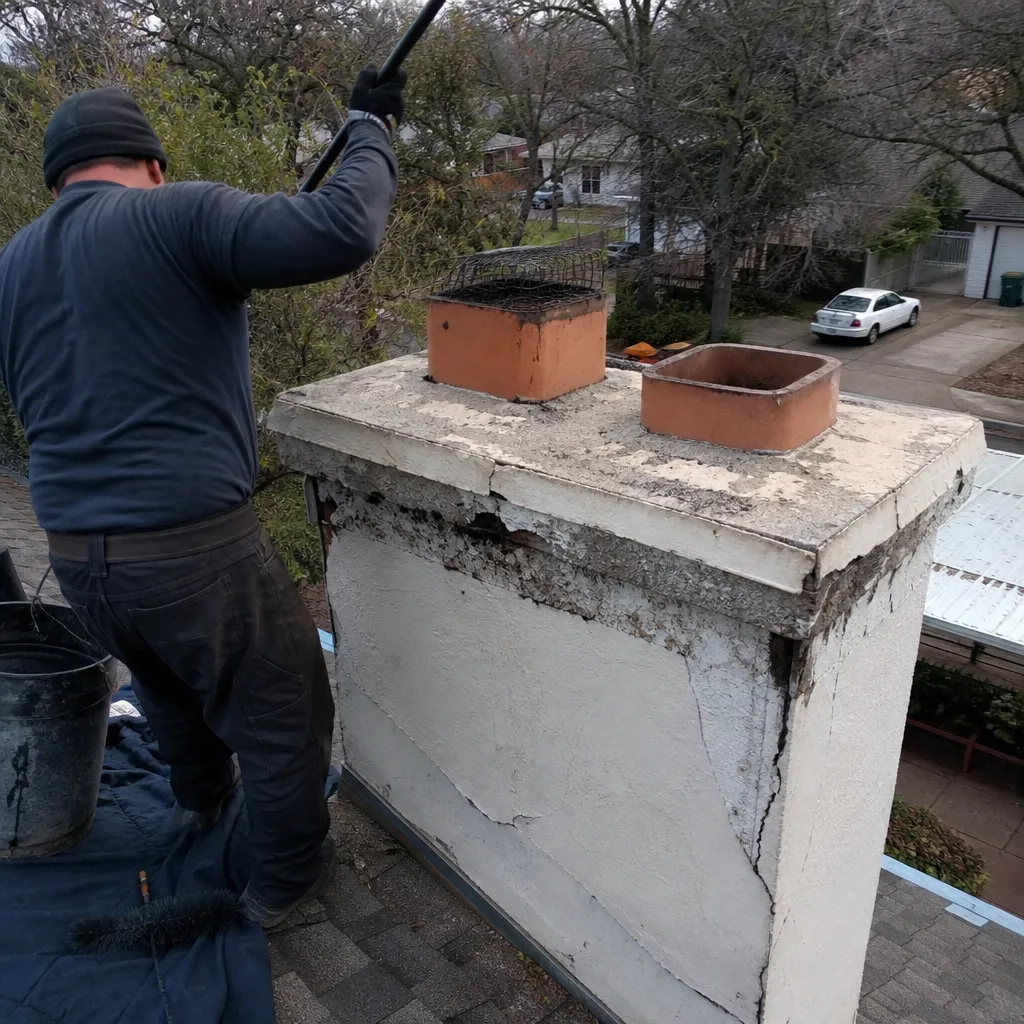 Before
 After
 Before
 After
When to Call a Professional
The situations that warrant a call aren’t hard to spot. If your fireplace smokes back into the room, if you can see cracked or spalling brick inside the firebox, if the damper won’t close fully, if there’s water staining on the ceiling near the chimney, or if you’ve never had a video scan of the flue and your home is over 40 years old, an inspection is the right next step. If you’re buying or selling a home in Folsom, a Level 2 inspection is not optional; it’s the standard a transaction expects. Chimney Sweep Folsom offers free estimates in Folsom, call (833) 589-9896 to schedule a sweep or discuss what your chimney’s condition means for your property. We’ve worked with the Chimney Sweep Folsom home service area long enough to know which conditions are “wait and see” and which ones demand action now.
Frequently Asked Questions
No. Routine chimney sweeping is classified as maintenance, not construction, and requires no permit anywhere in California, including Folsom. The obligation to permit enters only if the sweep uncovers repairs that alter the chimney’s structure, venting, or safety systems. Call Chimney Sweep in Folsom at (833) 589-9896 if you’re unsure whether your situation crosses the line.
A standard chimney sweep in the Folsom area typically runs between $180 and $300 depending on the chimney’s condition, accessibility, and whether a Level 1 or Level 2 inspection is included. Video scanning and report documentation may add $75 to $150 if not included in the base sweep. Call (833) 589-9896 for an exact quote; estimates are free.
Under California Civil Code 1102, unpermitted chimney repairs create a disclosure obligation you cannot legally ignore, and buyers who discover undisclosed work can pursue damages after the sale closes. The safest path is retroactive permitting before listing, or full disclosure with a credit at closing. In Folsom’s market, proactive disclosure is almost always cheaper than post-sale litigation.
NFPA 211 recommends annual inspection and cleaning when the cumulative soot reaches 1/8 inch, which for a regularly used wood-burning fireplace in Folsom generally means a yearly sweep. Gas fireplaces can go longer between service intervals, but annual inspection still applies because venting degrades regardless of fuel type.
A legitimate liner recommendation is based on visible evidence: cracks in clay tiles documented by video scan, spalling that leaves gaps in the flue wall, or a liner whose clearances no longer meet code. If a technician recommends a liner without showing you video or photos of the condition, get a second opinion. At Chimney Sweep Folsom, we don’t recommend relining unless the camera evidence is in front of you and the code requirement is explicit.
HeatShield is a resurfacing system that restores the interior surface of a deteriorated clay liner using a proprietary cerfractory material, while a full replacement removes the old liner and installs a new system, typically stainless steel. HeatShield preserves the existing flue and works well for liners with surface cracks or minor spalling; a full replacement is necessary when the liner has failed structurally or the flue is being resized or converted. In Folsom’s older chimneys, we evaluate both options and present the one that matches the actual condition, not whichever is more expensive.
Title 24 damper requirements apply to new construction and major remodels in California, not to existing homes unless the scope of work triggers energy code compliance for the fireplace. If you’re planning an addition or remodel in Folsom that touches the chimney, expect Title 24 to surface damper sealing and flue efficiency questions. A chimney professional can evaluate whether your existing setup meets current standards.
The Bottom Line
Chimney cleaning in California sits on the maintenance side of the permit line, and Folsom homeowners can schedule a sweep without paperwork. What rises to the building department’s attention are the repairs a sweep uncovers: relining, firebox work, structural changes, anything that modifies the venting system. Sacramento County enforces those requirements, NFPA 211 defines the safety standards, Title 24 touches the energy side, and SMAQMD governs when you can burn. The legal risk concentrates in one place: documented conditions that go undisclosed at sale. Clean the chimney, permit the repairs, keep the records, and disclose what you know. That’s the entire playbook for staying code-compliant and litigation-resistant in Folsom.
Written by the team at Chimney Sweep Folsom, serving Folsom since 2011.